
As anyone who has ever received a bouquet of flowers can attest, they have the power to brighten up even the darkest of days. However, their beauty is fleeting unless properly cared for. In this article, we will explore the secrets to keeping fresh flowers looking their best for as long as possible.
The Importance of Immediate Watering
When it comes to maintaining fresh flowers, one of the most crucial steps is transferring them into a vase with water immediately after they have been cut or received in a bouquet. This helps prevent shock and allows the stems to absorb water more efficiently.
Immediately after cutting your own flowers, trim about an inch off the stem at an angle using sharp scissors or pruning shears. This will help increase the flower’s water uptake rate by exposing the cambium layer, which is responsible for producing new cells. Placing the cut end of the stem in a glass of water can also help prevent bacterial growth and promote healthy hydration.
Preparing Cut Flowers for Care
If you are cutting your own flowers from the garden or receiving them as a gift, it’s essential to prepare them properly before placing them in a vase. Start by removing any excess foliage above the waterline, leaving only the uppermost leaves intact. This helps prevent bacterial growth and promotes healthy hydration.
Cutting back stems can also help reduce transpiration loss by increasing the surface area of the stem that is exposed to the air. Cut flowers typically have three main types of tissue: epidermal cells, cortical cells, and vascular bundles. The cortex, or middle layer of cells, has a lot of parenchyma (non-vascular) cells which store water and nutrients.
Avoid using garden shears on cut stems as this can damage the plant’s vascular system. Using scissors is more ideal as they leave clean cuts on the stem.
Avoiding Common Mistakes
One common mistake that can shorten the life of cut flowers is not changing the water frequently enough. Instead, aim to replace the water every 2-3 days to keep it fresh and free from bacteria.
Another important consideration is avoiding direct sunlight, which can cause the water to evaporate quickly. Instead, place your bouquet in a spot with filtered light or use a sheer curtain to diffuse the sun’s rays.
Using Specialized Products
There are many specialized products available on the market that can help extend the life of cut flowers. These include flower preservatives and additives that prevent bacterial growth and promote healthy hydration.
Some garden centers and nurseries also sell products specifically designed to be added to the water in which your bouquet sits, such as flower food or floral conditioner. These products typically contain ingredients like sugar, acid, and bleach that help feed the flowers and prevent spoilage.
DIY Remedies for Longer-Lasting Flowers
While specialized products can be beneficial, there are also several DIY remedies you can try to extend the life of your bouquet:
- Vinegar: Mixing a small amount of white vinegar with water in the vase can help prevent bacterial growth and promote healthy hydration.
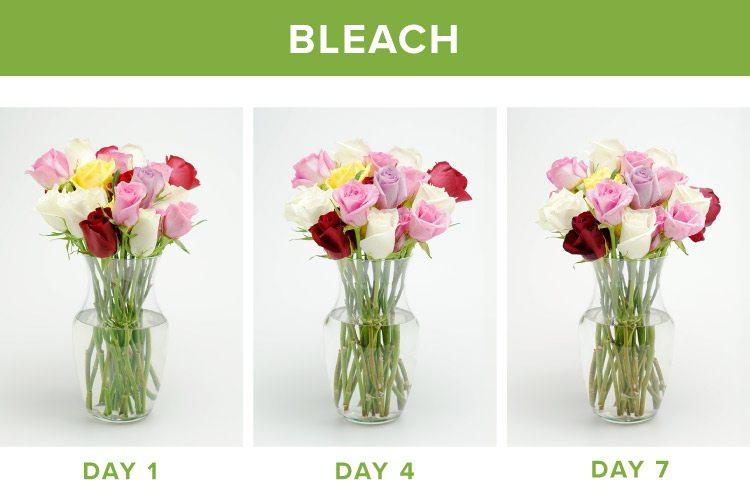
- Candeggina: Adding a teaspoon of candeggina (bleach) to the water can also help kill bacteria and prolong the life of your flowers.
Tips for Choosing the Right Vase
The type of vase you use can also impact the longevity of your bouquet. Look for one with good drainage holes to prevent waterlogged soil and root rot. Additionally, choose a vase that is not too large or too small for the arrangement, as this can cause the stems to become overcrowded and lead to reduced water uptake.
Common Mistakes to Avoid
- Using tap water: Tap water often contains high levels of chlorine and other chemicals that can harm plants. Instead, use filtered water or change the water frequently.
- Over-cleaning the vase: While it’s essential to clean your vase regularly, over-cleaning can strip away beneficial bacteria that help break down nutrients in the water.
FAQs
- How often should I change the water in my bouquet?
- It’s recommended to replace the water every 2-3 days to keep it fresh and free from bacteria.
- Can I use tap water instead of filtered water?
- While tap water is fine, using filtered water or changing the water frequently can help prevent bacterial growth and promote healthy hydration.
- What type of vase should I use for my bouquet?
- Choose a vase with good drainage holes to prevent waterlogged soil and root rot. Additionally, select a vase that’s not too large or too small for the arrangement.
By following these tips and avoiding common mistakes, you can help keep your fresh flowers looking their best for as long as possible.


