
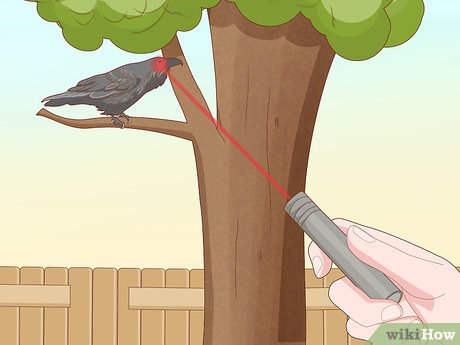
As the number of corvids has been increasing in both rural areas and cities, many gardeners are struggling to maintain their bird populations. In this article, we will provide you with essential tips on how to keep crows away from your garden, balcony, and orchard.
The Problem of Corvids: A Growing Concern
In recent years, the population of corvids has grown exponentially, both in rural areas and cities. While this may seem like a blessing for some, it can have devastating effects on other bird species. Crows are known to prey on adult birds and eggs, leading to a significant decline in the number of other bird populations.
Understanding Corvids: The Black Crow (Corvus monedula) and the Common Raven (Corvus corone)
When referring to crows, it’s often possible to distinguish between the black crow (Corvus monedula) and the common raven (Corvus corone). While they may look similar, the raven has a more massive build and a distinctive call. The common raven is also found in urban areas, particularly near waste disposal sites.
The Benefits of Crows: A Natural Pest Control
While crows can be a nuisance, they do serve as a natural pest control for insects and small rodents. They feed on grasshoppers, crickets, and other pests that can damage crops. However, their impact on the environment is more significant than initially thought.
Why Are Corvids Increasing in Number?
The increase in corvid populations is not due to an influx of new birds but rather a result of poor environmental management. Crows are opportunistic feeders, and with the abundance of food available, they have taken advantage of this situation. In the following sections, we will explore effective tips for keeping crows away from your garden, balcony, and orchard.
Tips for Keeping Crows Away:
How to Keep Crows Away from Your Balcony
- Avoid leaving trash cans with organic waste on your balcony or outside.
- In urban areas, avoid disposing of food waste in open bags or bins that can be easily accessed by crows.
- Encourage your local government to implement regular waste collection.
How to Keep Crows Away from Your Orchard
- Remove dead birds and carcasses from your orchard immediately.
- Install artificial barriers around your orchard to prevent crow access.
- Use netting or other protective measures to safeguard your crops.
How to Keep Crows Away from Your Garden
- Avoid leaving pet food or bird seed on the ground, as this can attract crows.
- Use physical barriers like netting or bird-repellent balloons to keep crows away.
- Plant crow-deterrent plants like lavender or rosemary in your garden.
How to Keep Crows Away from Your Pollaio
- Eliminate any dead birds or carcasses from the pollaio immediately.
- Install artificial barriers and protective measures to safeguard the pollaio.
- Use netting or other protective measures to prevent crow access.
Alternative Methods for Keeping Crows Away:
- Use Visual Deterrents: Hanging shiny reflective tape, balloons, or streamers can make your garden look less attractive to crows.
- Plant Crow-Deterrent Plants: Certain plants like lavender, rosemary, and chamomile are known to repel crows due to their strong scents or bitter tastes.
- Use Ultrasonic Devices: These devices emit sounds that are undesirable for birds but may be undetectable by humans.
- Provide Alternative Food Sources: Offering crow-friendly foods like suet, peanut butter, and sunflower seeds can encourage them to visit your garden without making it an attractive target.
Conclusion:
Keeping crows away from your garden, balcony, and orchard requires a combination of effective strategies. By understanding the problem of corvids, recognizing their benefits, and implementing practical tips, you can enjoy a bird-friendly environment without the risks associated with crow populations. Remember to always follow local regulations and guidelines when dealing with wildlife.
Frequently Asked Questions:
- Can I keep crows as pets?
- No, corvids are wild animals and should not be kept in captivity.
- Why do crows attack my garden?
- Crows may attack your garden if they perceive it as a food source or if they feel threatened by other birds.
- Can I use noise-making devices to scare away crows?
- While noise-making devices can be effective in deterring crows, they should not be used continuously, as this can become habituated and lose its effectiveness.
- How can I make my garden crow-friendly?
- By incorporating native plants, providing shelter, and offering alternative food sources, you can create a welcoming environment for other birds while discouraging crows from visiting your garden.
- Can I feed the crows that visit my balcony or garden?
- No, feeding crows can make them dependent on humans for food, leading to aggressive behavior and potential harm to both humans and animals.
- How often should I clean up my balcony or garden?
- Regular cleaning and maintenance are essential in keeping your balcony or garden free from crow attractants.
- Can I use physical barriers to keep crows away from my orchard?
- Yes, using netting or other protective measures can be an effective way to prevent crow access to your orchard.
- How can I identify the difference between a crow and a raven?
- Crows are generally smaller than ravens, have a more slender build, and have a distinctive call. Ravens are larger, with a more massive build and a deeper call.


