
As a gardener, you’re likely no stranger to the pesky problem of caterpillars. These tiny creatures can wreak havoc on your prized plants and crops, leaving behind unsightly damage and potentially even destroying entire harvests. But before we dive into the solutions, it’s essential to understand just how different species of caterpillars behave.
Understanding Caterpillar Species
Not all caterpillars are created equal. Some are notorious for their voracious appetites, while others cause relatively minor damage. To effectively eliminate them from your garden, you need to know which species is infesting your plants.
One such species is the Chrysodeixis chalcites, a larva that can grow up to 35-40mm in length and feed on both ornamental flowers like chrysanthemums and genranios, as well as vegetables like tomatoes, potatoes, zucchini, beans, and cabbage. These larvae typically emerge in late summer or early fall, making it crucial to take action before they cause significant damage.
Another species of concern is the Spodoptera frugiperda, also known as the tomato fruitworm. This caterpillar can cause significant damage to tomatoes and other fruits, resulting in substantial losses for gardeners.
Organic Pest Control Methods
For organic gardeners, there are several effective methods for eliminating caterpillars without resorting to chemical pesticides. One popular approach is using Bacillus thuringiensis var kurstaki and aiwzawai (Bt), a bacterium that produces toxins specific to insect larvae.
Insecticidal soap can also be used as an alternative treatment, specifically targeting caterpillar eggs and young larvae. When choosing an organic pest control method, it’s essential to follow the instructions carefully to avoid harming beneficial insects like bees and butterflies.
Integrated Pest Management (IPM) Strategies
For more comprehensive solutions, consider implementing Integrated Pest Management (IPM) strategies that combine multiple techniques, such as:
- Monitoring: Regularly inspect your plants for signs of caterpillar damage.
- Sanitation: Remove infested areas and dispose of any affected plant material to prevent the spread of eggs.
- Cultural Controls: Modify your gardening practices to reduce the attractiveness of your plants to caterpillars.
By adopting an IPM approach, you can minimize the risk of caterpillar damage while maintaining a balanced ecosystem in your garden.
Using Chemical Pest Control Methods
For those who prefer chemical-based solutions, there are several products available on the market that target caterpillars specifically. Bayer Natria BIO is one such product, which not only kills caterpillars but also repels other pests like aphids and whiteflies.
Another option is Solabiol Piretro Actigreen Bio, a natural insecticide that is safe for use in organic gardening. When choosing chemical pest control methods, always follow the instructions carefully and take necessary precautions to avoid exposure.
Natural Methods of Caterpillar Control
For those who prefer more traditional or holistic approaches, consider these natural methods:
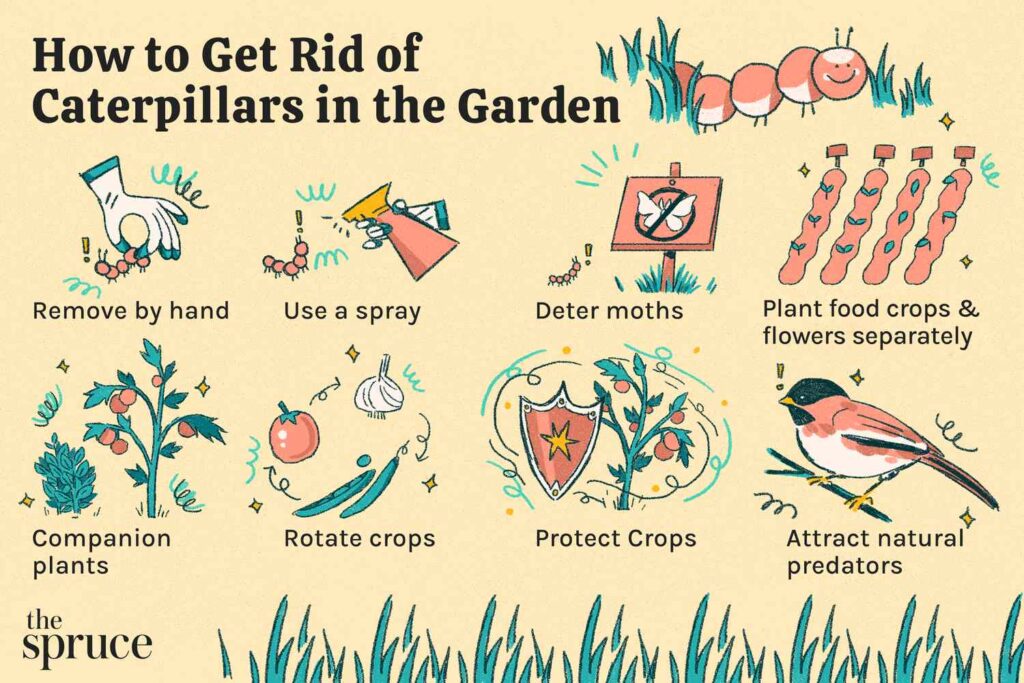
- Encourage Beneficial Insects: Attract birds, bees, and other beneficial insects that prey on caterpillars.
- Install a Birdhouse: Create a welcoming environment for birds by installing a birdhouse or bird feeder.
- Create a Predator-Friendly Garden: Incorporate plants that attract predators of caterpillars, such as ladybugs and lacewings.
By incorporating these natural methods into your gardening routine, you can create a balanced ecosystem that promotes healthy plant growth while minimizing the need for chemical pesticides.
Additional Tips and Tricks
- Hand-picking: Regularly inspect your plants and manually remove any caterpillars you find.
- Traps: Create homemade traps using sticky tape or yellow cards to capture and dispose of caterpillars.
- Biological Controls: Introduce natural predators, such as parasitic wasps or ladybugs, to your garden to control caterpillar populations.
By implementing these strategies, you can effectively protect your garden from caterpillar damage and maintain a healthy, thriving ecosystem.
Common Mistakes to Avoid
- Not monitoring plants regularly: Regular inspections are crucial for early detection of caterpillar infestations.
- Using broad-spectrum pesticides: These can harm beneficial insects and other non-target organisms.
- Ignoring cultural controls: Modifying gardening practices can help reduce the attractiveness of your plants to caterpillars.
By avoiding these common mistakes, you can ensure that your garden is protected from caterpillar damage and remains a thriving, productive space.
Conclusion
Caterpillars can be a significant nuisance in gardens, but with the right knowledge and strategies, you can effectively eliminate them without resorting to chemical pesticides. By understanding different species of caterpillars, adopting organic pest control methods, implementing integrated pest management strategies, using chemical pest control products, and incorporating natural methods of control, you can create a thriving garden ecosystem that promotes healthy plant growth.
Frequently Asked Questions (FAQs)
Q: What is the best way to identify caterpillar species?
A: To accurately identify caterpillars, examine their body shape, color, and any distinctive markings or patterns. Consult with a gardening expert or use online resources for further guidance.
Q: How can I prevent caterpillars from infesting my garden?
A: Regular monitoring, sanitation, cultural controls, and incorporating beneficial insects can help prevent caterpillar damage.
Q: What are some effective natural methods of controlling caterpillars?
A: Encouraging beneficial insects, installing birdhouses or bird feeders, and creating a predator-friendly garden can all contribute to a balanced ecosystem that minimizes the need for chemical pesticides.
Q: Can I use chemical pest control products on all types of plants?
A: No, it’s essential to choose products specifically labeled for use on your type of plant. Always follow instructions carefully and take necessary precautions to avoid exposure.
Q: How can I create a balanced ecosystem in my garden that promotes healthy plant growth while minimizing the need for chemical pesticides?
A: By incorporating multiple strategies, such as organic pest control methods, integrated pest management, natural methods of control, and beneficial insects, you can create a thriving garden ecosystem.
Q: What are some common signs of caterpillar damage?
A: Look for holes or torn leaves, yellowing or stunted plant growth, and actual caterpillars themselves.


