
Introduction to Aquarium Fish Introduction
When it comes to setting up an aquarium, introducing fish is a crucial step. However, it’s not just about tossing in some colorful creatures; you need to do it correctly to ensure the health and well-being of both the fish and the aquarium ecosystem.
In this article, we’ll cover everything from choosing the right tank size to gradual introduction of fish, making sure that your new aquatic friends thrive in their new home.
Choosing the Right Tank Size
Most popular aquariums are 100 liters in size. With this capacity, you can introduce up to 20 small fish. If you’re planning to keep larger fish, you’ll need to significantly reduce the number. Adding too many fish to a small tank can disrupt the delicate balance of the ecosystem.
When selecting a tank size, consider the following factors:
- Space: Ensure that your aquarium fits comfortably in your home or office.
- Budget: Larger tanks require more expensive equipment and maintenance.
- Fish Selection: Choose species that are compatible with each other and the tank’s capacity.
Gradual Introduction of Fish
The key to successful fish introduction is gradualness. You should wait until the substrate (gravel) and plants are established before adding fish. This allows the beneficial bacteria in the filter to colonize the tank, making it safe for the fish.
Here are some tips for a successful introduction:
- Wait 2-4 Weeks: Allow the tank to establish its biological balance before introducing new fish.
- Monitor Water Parameters: Regularly test water parameters, such as pH, ammonia, and nitrite levels, to ensure they remain within safe ranges.
- Acclimate Fish Gradually: Introduce fish slowly to the tank’s water temperature and chemistry to prevent shock.
Initial Fish Selection
When selecting your first fish, choose species that are robust and easy to care for, such as zebra danios or harlequin rasboras. These fish are less likely to stress out during the introduction process.
Here are some factors to consider when choosing initial fish:
- Hardiness: Select species that can tolerate minor mistakes in water quality or tank setup.
- Dietary Needs: Choose fish that match your feeding schedule and preferences.
- Compatibility: Ensure that all introduced fish are compatible with each other.
Why Gradual Introduction Matters
So why do we need to introduce fish gradually? The answer lies in the filter’s ability to metabolize waste produced by the fish. If you add all your fish at once, the waste will overwhelm the beneficial bacteria, leading to water quality issues.
By introducing fish gradually, you give the “good bacteria” a chance to colonize the filter fully, ensuring that the water remains clean and healthy for both the fish and the aquarium ecosystem.
Adding Fish Pulifiers
In addition to gradual introduction, it’s also essential to add fish pulifiers. These species help maintain the tank’s cleanliness by eating leftover food particles or algae. By introducing fish pulifiers early on, you’ll create a more balanced ecosystem from the start.
Here are some popular fish pulifiers:
- Otocinclus Catfish: Excellent for cleaning algae and leftover food particles.
- Snails: Great for removing decaying plant matter and algae.
- Shrimp: Can be used to clean up excess food particles and waste.
Acclimation Process
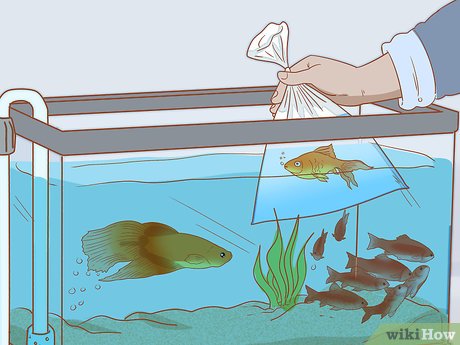
When introducing new fish, it’s crucial to acclimate them slowly to the tank’s water temperature and chemistry. Here’s a step-by-step guide:
- Prepare the Tank: Turn off the aquarium lights before adding the fish.
- Add Fish to Bag: Place the fish in the bag with some of its tank water.
- Wait 20 Minutes: Let the fish acclimate for at least 20 minutes before releasing it into the tank.
- Gradual Water Change: Add a small amount of tank water to the bag to gradually introduce the fish to the tank’s water chemistry.
First Feeding
When introducing your first fish, avoid feeding them immediately. Wait until the next day and then provide food according to their dietary needs.
Here are some tips for the first feeding:
- Dietary Needs: Choose a diet that matches the fish’s nutritional requirements.
- Feeding Frequency: Feed fish at the same time every day to maintain a regular routine.
- Water Temperature: Ensure that the water temperature is within the recommended range for the fish.
By following this step-by-step guide, you’ll create a thriving aquarium ecosystem that will support the health and well-being of both your fish and your tank.
FAQs
-
What is the ideal water temperature for an aquarium?
Aquarium temperatures vary depending on the species. Generally, most tropical fish thrive in temperatures between 72°F (22°C) and 82°F (28°C).
* How often should I change the water in my aquarium?Water changes depend on the tank size, biological load, and water quality. Aim for a 10-20% water change every week.
* What are some common mistakes when introducing fish to an aquarium?Common mistakes include overcrowding, inadequate filtration, and insufficient acclimation time.
* Can I keep multiple species together in the same tank?Mixing different species can be challenging. Research compatibility before introducing new fish to your tank.
Conclusion
Setting up an aquarium requires patience, research, and proper care. By following the guidelines outlined in this article, you’ll be well on your way to creating a thriving ecosystem that will support the health and well-being of both your fish and your tank. Happy aquarium keeping!
Additional Tips
- Regular Maintenance: Regularly clean the filter media, replace old filters, and ensure proper water flow to maintain optimal filtration.
- Monitor Water Quality: Regularly test for pH, ammonia, nitrite, and nitrate levels using specialized equipment or kits.
- Research Compatibility: Research compatibility between different fish species before introducing them to your tank.
By following these additional tips and guidelines, you’ll be able to create a thriving aquarium ecosystem that will provide years of enjoyment and fascination.


