
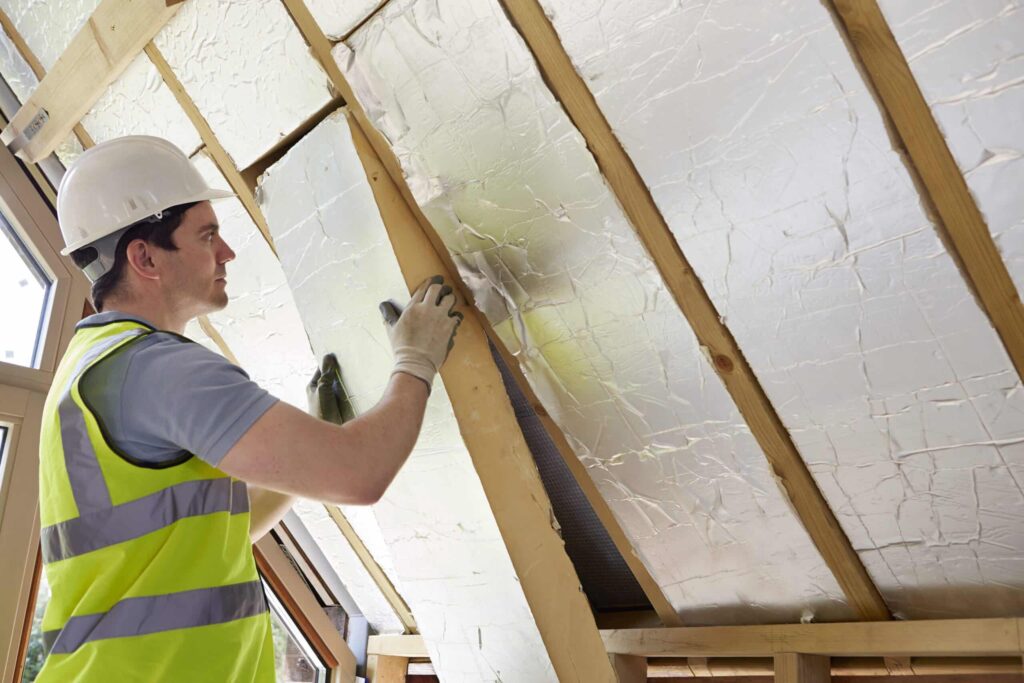
Insulating your roof is one of those home improvements that might seem daunting, but trust us, it’s easier than you think. Not only does it protect your roof from rain, but it also plays a crucial role in maintaining thermal insulation, whether it’s warm or cold. But before we dive into the nitty-gritty, let’s ask ourselves: what exactly happens when our roofs aren’t insulated?
In winter, an uninsulated roof loses heat from the house, making it chilly and uncomfortable inside. On the other hand, in summer, it turns into an unbearable oven, making the temperature soar. But don’t worry; insulating your roof is not as difficult as you think.
Why Insulate Your Roof?
Insulating your roof has several benefits. Firstly, it helps to maintain thermal insulation, keeping your home warm in winter and cool in summer. This reduces energy consumption and saves you money on utility bills. Secondly, an insulated roof protects it from rain and prevents damage caused by water seepage.
Checking for Existing Insulation
Before we start, let’s check if there’s already an insulation layer present and if it’s in good condition. If there is no insulation or if the existing one is damaged, it’s time to take action.
When checking the insulation, make sure it’s:
- Dry
- Undamaged
- Covers the entire surface
- Has no gaps or voids
If your roof meets these criteria, great! You’re all set. But if not, don’t worry; we’ll explore the easiest solutions to get you started.
Insulating Your Roof: Simple Solutions
Unpractical Soleil
One easy solution is to place an insulation layer under the floor of the attic. This simple and DIY-friendly approach can make a big difference in keeping your home warm or cool, depending on the season.
Another option is to use natural fibers like wool, rock wool, or glass wool as insulation material. Rigid panels made from wood fiber and sughero (expanded cork granules) also work well but might require some shaping and additional layers to prevent air leaks.
Practical Soleil
If your roof has a practical soleil that can be accessed from above, you can insulate it by attaching insulation materials parallel to the slope of the roof. This will keep the heat coming from below trapped inside and reduce heat loss.
Before proceeding, make sure to consult with local authorities to ensure compliance with regulations. In this scenario, rigid panels like wood fiber or sughero are ideal for fastening or nailing onto the intradosso (the underside of the roof).
Roofs Made of Wood
For roofs made of wood, filling in the space between the rafters with a soft insulation material like wool or cellulose can provide additional protection.
Additional Tips and Considerations
- Always follow local building codes and regulations.
- Use materials that are suitable for your climate and region.
- Ensure proper ventilation to prevent moisture buildup.
- Consider consulting a professional if you’re unsure about any part of the process.
Advanced Insulation Solutions
For more advanced insulation solutions, consider using:
Spray Foam Insulation
Spray foam insulation is an effective solution for insulating your roof. It’s a type of rigid foam that expands when sprayed, filling in gaps and providing excellent thermal insulation. However, it can be expensive and may require specialized equipment.
Insulated Panels
Insulated panels are another advanced solution for insulating your roof. These panels consist of a structural material like wood or steel with an insulation layer attached to the back. They’re easy to install and provide excellent thermal performance.
Green Roof Insulation
If you have a green roof, consider using specialized insulation materials designed specifically for this type of roofing system. Green roofs can be more complex to insulate than traditional roofs, but the benefits are well worth it.
Common Mistakes to Avoid
When insulating your roof, avoid common mistakes like:
- Not checking for existing insulation before installing new material.
- Using materials that are not suitable for your climate or region.
- Failing to ensure proper ventilation to prevent moisture buildup.
- Not consulting local authorities before proceeding with the installation.
Conclusion
Insulating your roof is not only beneficial for your wallet but also for the comfort of your home. By identifying existing insulation issues, choosing the right materials, and following simple installation methods, you can make a big impact.
In conclusion, we hope this guide has provided you with all the necessary information to get started with insulating your roof. If you have any questions or concerns, feel free to ask.
Frequently Asked Questions
-
What is insulation material?
Insulation materials are substances that help reduce heat transfer between a living space and its surrounding environment. Examples include natural fibers like wool, rock wool, or glass wool.
2. Why do I need to insulate my roof?Insulating your roof helps maintain thermal insulation, keeping your home warm in winter and cool in summer. This reduces energy consumption and saves you money on utility bills.
3. What are the benefits of insulating a roof with unpractical soleil?Insulating your roof with unpractical soleil involves placing an insulation layer under the floor of the attic or attaching insulation materials parallel to the slope of the roof. This simple approach can make a big difference in keeping your home warm or cool.
4. Can I insulate my roof myself?Yes, you can insulate your roof yourself using natural fibers like wool, rock wool, or glass wool as insulation material. However, it’s recommended to consult local authorities before proceeding and ensure proper ventilation to prevent moisture buildup.
5. What is the best way to insulate a roof made of wood?For roofs made of wood, filling in the space between the rafters with a soft insulation material like wool or cellulose can provide additional protection.
6. Do I need to consult a professional for insulation installation?While it’s not necessary to consult a professional, they can provide valuable advice and ensure compliance with local building codes and regulations. If you’re unsure about any part of the process, consider seeking help from a qualified expert.
7. How long does insulation installation take?The duration of insulation installation depends on the size of your roof and the complexity of the job. However, it’s generally a simple and DIY-friendly process that can be completed within a few days or weeks.
8. What are the costs associated with insulation installation?The cost of insulation installation varies depending on the type of material used, the size of your roof, and other factors. On average, you can expect to spend between $500 to $5,000 for a typical roof insulation project.


