
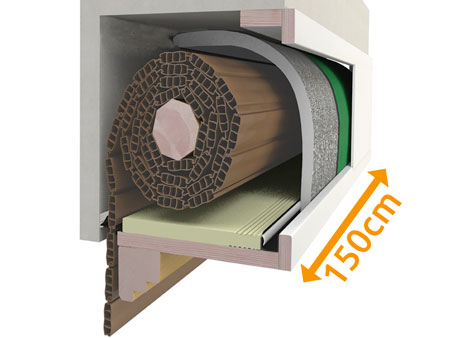
As the old adage goes, “a house is only as warm or cool as the windows it has.” But what about the shutters that surround those windows? Are they doing their job to keep the warmth in and the cold out? If not, you may be experiencing drafts and thermal dispersion in your home.
In this article, we’ll explore why insulating your shutters is crucial, how to identify if your shutters are a source of problems, and most importantly, how to fix them using simple DIY projects.
What are Shutters and How Do They Work?
Shutters are movable panels that cover windows to provide additional insulation, security, and control over light and temperature. While they’re designed to keep the elements out, shutters can sometimes be a source of frustration if not properly maintained or insulated.
The cassette of a shutter refers to the narrow frame that holds the shutters in place. This area is prone to thermal dispersion, which means it allows heat to escape from your home and cold air to enter.
Why Insulate Your Shutters?
Insulating your shutters is essential for several reasons:
- Energy Efficiency: By reducing thermal dispersion, you can lower your heating and cooling bills.
- Drafts and Moisture: Insulation prevents drafts from entering your home, which can cause discomfort, and moisture buildup, leading to mold and mildew growth.
- Acoustic Comfort: Insulated shutters also provide better soundproofing, making your home a more comfortable place to relax.
Identifying the Problem
To determine if your shutters are a source of thermal dispersion, look for these signs:
- Cold Air Leaks: Check if cold air is entering your home through the gaps between the shutters and the window frame.
- Heat Loss: Measure the temperature difference between the inside and outside of your home to see if the gap between the shutters and the window frame is causing heat loss.
- Moisture Issues: Look for signs of moisture buildup, such as mold or mildew growth, on your walls or ceiling.
DIY Solutions
Don’t worry; insulating your shutters doesn’t have to break the bank. Here are some simple DIY solutions:
Insulation Panels
Insulation panels are a great way to fill gaps and reduce thermal dispersion. These panels come in various shapes and sizes, making them adaptable to your specific shutter needs.
- Schellenberg Insulation Panels: These panels are made of sound-absorbing and thermal-isolating materials, providing excellent results at an affordable price.
- Cushion Insulation Panels: These flexible panels can be cut to size and installed in close contact with the awning for optimal insulation.
Sealing Gaps
Sealing gaps around your shutters is another simple way to reduce drafts and moisture buildup. Use a sealant specifically designed for this purpose to ensure a tight fit.
- Polyurethane Expanded Foam Sealant: This type of sealant provides excellent results, allowing you to fix the cushion at high level and remove all drafts.
- DIY Sealant Kits: You can also purchase DIY sealant kits that include a sealant canister, applicator, and instructions for installation.
Additional DIY Solutions
Here are some additional DIY solutions you can try:
Using Foam Board
Foam board is a great material to use when insulating your shutters. It’s easy to cut and shape, and it provides excellent thermal insulation.
- Cutting Foam Board: Use a utility knife or a saw to cut the foam board to size.
- Installing Foam Board: Apply the foam board to the back of the shutter, making sure it’s securely attached.
Using Fiberglass Batt
Fiberglass batt is another material you can use when insulating your shutters. It’s easy to install and provides excellent thermal insulation.
- Cutting Fiberglass Batt: Use a utility knife or a saw to cut the fiberglass batt to size.
- Installing Fiberglass Batt: Apply the fiberglass batt to the back of the shutter, making sure it’s securely attached.
Conclusion
Insulating your shutters is a simple yet effective way to improve energy efficiency, reduce drafts, and enhance acoustic comfort. By following these DIY solutions, you can create a warm and cozy home that’s perfect for relaxing.
Frequently Asked Questions
Q: How much does it cost to insulate my shutters?
A: The cost of insulation panels can vary depending on the seller, measurements, and type of material used. On Amazon, flexible insulation panels start at around €33.87.
Q: Can I install insulation panels myself?
A: Yes, with a little patience and effort, you can successfully insulate your shutters using DIY solutions.
Q: How often should I check my shutters for drafts and thermal dispersion?
A: Regularly inspect your shutters every 6-12 months to ensure they’re still performing well and not allowing any gaps or drafts.
Q: What is the best way to clean my shutters?
A: Clean your shutters regularly using a soft cloth, mild soap, and warm water to keep them in good condition.
Q: Can I use any type of insulation for my shutters?
A: No, not all insulations are suitable for shutters. Look for materials specifically designed for this purpose, such as flexible panels or sealant kits.
Q: How long do insulation panels last?
A: Insulation panels can last anywhere from 5-20 years depending on usage and maintenance.
Q: Can I use caulk to fill gaps in my shutters?
A: While caulk can provide temporary results, it’s not the best solution for insulating your shutters. Consider using sealant kits or specialized insulation materials instead.


