
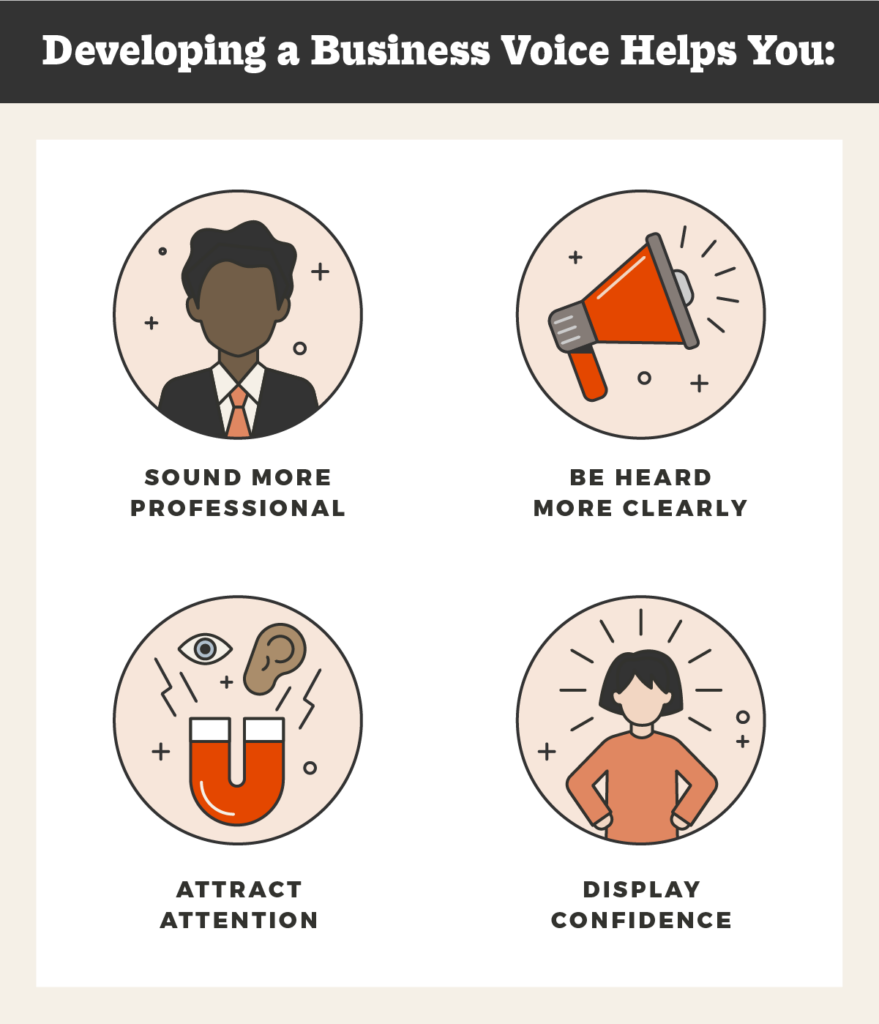
Have you ever stopped to think about how we express ourselves through our voices? The way we speak, the tone and pitch, the volume and cadence – all of these things can convey just as much information as written or visual communication. And yet, so often we take our voice for granted, assuming that others will pick up on even the subtlest nuances in our speech.
But what if I told you that improving your voice could also boost your confidence? That’s right – your voice has a power that few people realize, and by learning to harness it, you can become a more effective communicator, both personally and professionally.
The Power of Your Voice
So, how does your voice influence others, and what about its impact on yourself? For one thing, the way you speak can change the way others think. It’s a subtle but significant effect – research has shown that speakers who use a more dynamic tone are more likely to be listened to and remembered than those who speak in a flat, monotone voice.
But your voice also affects how you perceive yourself. When you speak with confidence and clarity, you’re more likely to feel secure and self-assured. And when you’re in a meeting or conversation, speaking from the heart can help you connect with others on a deeper level – it’s like having a superpower that lets you communicate more effectively.
Getting to Know Your Voice
So how do we tap into this hidden power? It starts by getting to know our own voice. We often don’t realize the full range of sounds and tones that we’re capable of producing, but with practice and patience, we can discover new ways of speaking and improve our communication skills.
Here are some simple exercises to get you started:
- Respiratory Exercises: Start by focusing on your breathing. Just like a baby, use your diaphragm to support your lungs, not just your chest. Practice this for 3 minutes each day, feeling the air fill your belly and then your ribcage.
- Posture Matters: Good posture is essential for good communication. Stand tall, with your shoulders back and head held high. Practice walking without looking down – it’s a simple exercise that can help you develop a more confident stride.
- Don’t Block Your Sighs: Sighs are an opportunity to practice new sounds and tones in your voice. Try making a soft “ahh” sound on the exhale, feeling the vibration of your vocal cords as they relax.
- Sing with Intention: Every day, take a few minutes to sing with intention. Find a comfortable pitch and volume, and focus on using your entire range – from the lowest notes to the highest.
Unlocking Your Communication Potential
Now that you’ve started practicing these exercises, it’s time to think about how you can apply them in real-life situations. Here are some tips for effective communication:
- Be Aware of Your Audience: Pay attention to who you’re speaking with and adjust your tone accordingly. For example, if you’re speaking with a younger audience, use more energetic language and a higher pitch.
- Vary Your Tone: Don’t be afraid to experiment with different tones and pitches in your voice. This will help keep your listeners engaged and interested.
- Use Your Emotions: Speak from the heart and express your emotions – it’s one of the most powerful ways to connect with others.
- Practice, Practice, Practice: The more you practice using your full range of vocal expression, the more comfortable and confident you’ll become.
Additional Tips for Effective Communication
In addition to practicing your voice, there are several other key elements that can help you improve your communication skills. Here are some tips to consider:
- Listen Actively: Pay attention to what others are saying and show them that you’re engaged in the conversation.
- Ask Open-Ended Questions: Encourage others to share their thoughts and opinions by asking open-ended questions that can’t be answered with a simple “yes” or “no.”
- Use Positive Body Language: Make eye contact, smile, and use open and approachable body language to show others that you’re engaged and interested in the conversation.
- Avoid Distractions: Turn off your phone, put away any other distracting objects, and make sure you have enough space to speak clearly.
Overcoming Communication Barriers
Effective communication is not just about speaking confidently; it’s also about overcoming common barriers that can prevent us from connecting with others. Here are some tips for overcoming these barriers:
- Don’t Be Afraid of Silence: Sometimes, the best thing you can do is simply wait and let others speak first. This can help create a more relaxed atmosphere and encourage others to open up.
- Use Humor Strategically: Humor can be an effective way to break the ice and build rapport with others, but use it sparingly – too much humor can come across as insincere or dismissive.
- Avoid Interrupting Others: Make sure you listen carefully before responding to what others have said. Avoid interrupting others and show that you value their input.
Conclusion
Improving your voice is a journey, not a destination. By practicing these exercises and tips, you can unlock your full communication potential and become a more effective communicator – both personally and professionally. So don’t be afraid to take control of your voice and express yourself with confidence and clarity.
Frequently Asked Questions (FAQs)
- How long does it take to improve my vocal skills?
Improving your vocal skills takes time and practice, but you can start seeing results in as little as a few weeks. - What are the best exercises for improving my voice?
Some of the best exercises for improving your voice include respiratory exercises, posture practices, and vocal warm-ups like humming or lip trills. - Can anyone improve their vocal skills?
Yes! Anyone can improve their vocal skills with practice and patience. Even if you’re not naturally good at singing or speaking, you can still develop a more confident and expressive voice. - How do I know when my voice is “right”?
You’ll know your voice is “right” when it feels natural and authentic to you. Practice regularly and trust your instincts – with time, you’ll develop a unique and powerful vocal style. -
Can I use these exercises if I have a medical condition or injury?
It’s always best to consult with a healthcare professional before starting any new exercise program, especially if you have a medical condition or injury. They can help you determine the best course of action for your specific needs. -
How do I know when my voice is being heard?
You’ll know when your voice is being heard when others respond positively to you and engage with your message. - Can I use technology to improve my vocal skills?
Yes! There are many apps, online resources, and vocal training programs available that can help you improve your vocal skills and practice regularly. - Is it possible to “fix” a bad voice?
While some people may have naturally less-than-perfect voices, there is still much that can be done to improve and enhance one’s vocal abilities with practice, patience, and dedication.
Common Misconceptions About Communication
There are several common misconceptions about communication that can hold us back from improving our skills. Here are a few examples:
- The idea that effective communication means being loud and assertive: While confidence is important in communication, it’s not the only factor. Practice using your voice in different ways to find what works best for you.
- The idea that everyone has an equal opportunity to communicate effectively: Unfortunately, this isn’t true. Some people may face more barriers or challenges than others due to their background, culture, or personal circumstances. Be patient and understanding with those who are struggling.
Final Tips for Improving Your Voice
Finally, here are a few final tips for improving your voice:
- Practice regularly: Consistency is key when it comes to improving your vocal skills. Make time each day to practice speaking, singing, or experimenting with different tones and pitches.
- Be kind to yourself: Remember that everyone has their own unique voice – and that’s what makes it beautiful! Don’t be too hard on yourself if you struggle at first – just keep practicing and trust the process.
By following these tips and exercises, you can unlock your full communication potential and become a more effective communicator. So don’t be afraid to take control of your voice and express yourself with confidence and clarity!


