
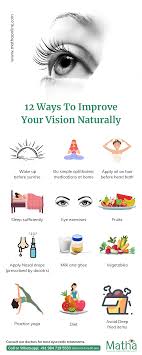
As we age, our eyes undergo natural changes that can affect our vision. While it’s impossible to correct vision problems without medical intervention, adopting healthy habits and a balanced diet can help maintain the health of your eyes naturally. It’s always best to consult with an eye doctor before making any changes to your lifestyle or supplement routine.
Common Eye Problems and Causes
The moment we start paying attention to our eye health begins when our vision is still good! We often move our eyes in ways that can compromise their health, such as straining or squinting. Some common causes of vision problems include:
- Prolonged use of computers, tablets, smartphones, or TVs: These devices expose our eyes to fatigue and can lead to vision problems.
- Frequent contact lens wear: Contact lenses can reduce tear production, leading to dryness and increased risk of eye infections.
- Exposure to dust or pollen: This can cause redness, tearing, or burning in the eyes.
- Artificial light use: Prolonged exposure to artificial lights can strain our eyes and impair vision.
- Prolonged sun exposure without protection: This can damage the retina.
- Genetics: Some eye problems are inherited, such as myopia (nearsightedness), hyperopia (farsightedness), and astigmatism.
- Age-related changes: As we age, our lenses become less flexible, causing nearsightedness, farsightedness, or presbyopia.
Improving Your Vision
While it’s impossible to correct vision problems without medical intervention, there are some simple habits you can adopt to improve your vision and eye health. Here are a few tips:
Eye Exercises
Several eye exercises and techniques can help improve vision and particularly myopia (nearsightedness). One example is agapression, but there’s no conclusive evidence that these exercises produce tangible results.
- Agapression: This technique involves focusing on a point in the distance for 20 seconds, then shifting your gaze to a point in the distance again. Repeat this process several times a day.
- Prism lens training: Some people claim that using prism lenses can improve vision by reducing eye strain and promoting alignment of the eyes.
- Eye rotations: Rotating your eyes clockwise or counterclockwise for 10-15 seconds, then stopping for 5 minutes, may help relax the eye muscles.
However, it’s essential to note that there is limited scientific evidence supporting these exercises. Consult with an eye doctor before starting any new exercise routine.
Relaxing Your Eyes
Tension in the eyes can often be the cause of blurry vision. Prolonged screen time or unnecessary strain on the eyes can lead to muscle fatigue and discomfort. To relax your eyes, try the palming technique:
- Warm your hands by rubbing them together.
- Place your elbows on a flat surface and rest your palms on your eyes.
- Take a few minutes to sit back and relax, focusing on reducing tension in your eyes and surrounding muscles.
After this exercise, you may notice an improvement in vision clarity. You can also try other relaxation techniques like meditation or deep breathing exercises to reduce eye strain.
Nutrition for Healthy Eyes
A balanced diet rich in beneficial nutrients can help support eye health. Here are some vitamins and antioxidants that can help:
- Vitamin A: Essential for producing rodopsin, a pigment that allows us to see in low light conditions. A lack of vitamin A can lead to dryness, infections, or ulcers.
- Vitamin D: Helps protect the retina from inflammation and reduces redness in the eyes.
- Vitamin C: Acts as an antioxidant, protecting the body from free radicals and helping prevent degenerative eye diseases, including cataracts. Vitamin C also helps prevent corneal edema and eliminates infections.
- Vitamin E: Assists in preventing age-related macular degeneration (AMD) and cataracts.
- Lutein: A pigment found in the macula, responsible for filtering out harmful light and protecting the retina from damage. Taking a lutein supplement can help improve vision naturally.
- Vitamin B2: Essential for reducing eye strain and discomfort, but deficiency can cause symptoms like burning, sensitivity to light, pruritus, tearing, and even paralysis of eye muscles.
These nutrients are found in foods like leafy greens (spinach, broccoli), nuts (almonds, walnuts), seeds (sunflower, pumpkin), eggs, and certain cereals. Eating a balanced diet that includes these foods can help support eye health and reduce the risk of vision problems.
Herbal Remedies
Certain herbal remedies may also be beneficial for improving vision. Here are some examples:
- Ginkgo biloba: May improve vision by increasing blood flow to the eyes.
- Bacopa monnieri: May enhance memory and cognitive function, which can help with eye-hand coordination and reaction time.
- Vitamin K2: Helps maintain bone health, but may also have a role in protecting against age-related macular degeneration.
However, it’s essential to note that the effectiveness of herbal remedies for vision improvement is largely anecdotal and requires further scientific research. Consult with an eye doctor before using any herbal supplements.
Eye Care Habits
In addition to adopting healthy habits and a balanced diet, here are some general eye care tips:
- Wear sunglasses with UV protection when outdoors.
- Avoid smoking, as it can increase the risk of cataracts and age-related macular degeneration.
- Limit screen time before bed, as excessive blue light exposure can disrupt sleep patterns.
- Get regular eye exams to monitor vision changes and detect potential problems early.
Preventing Age-Related Eye Problems
As we age, our eyes undergo natural changes that can affect our vision. Here are some tips to help prevent age-related eye problems:
- Protect your eyes from UV light: Wear sunglasses with UV protection when outdoors.
- Maintain a healthy diet: Eat foods rich in omega-3 fatty acids, antioxidants, and vitamins C and E.
- Exercise regularly: Regular exercise can improve circulation, including to the eyes.
- Don’t smoke: Smoking is linked to an increased risk of cataracts, age-related macular degeneration, and other eye problems.
By adopting these habits and incorporating natural remedies into your lifestyle, you may be able to reduce your risk of vision problems and maintain healthy, clear vision throughout your life. However, always consult with an eye doctor before making any changes to your lifestyle or supplement routine.


