
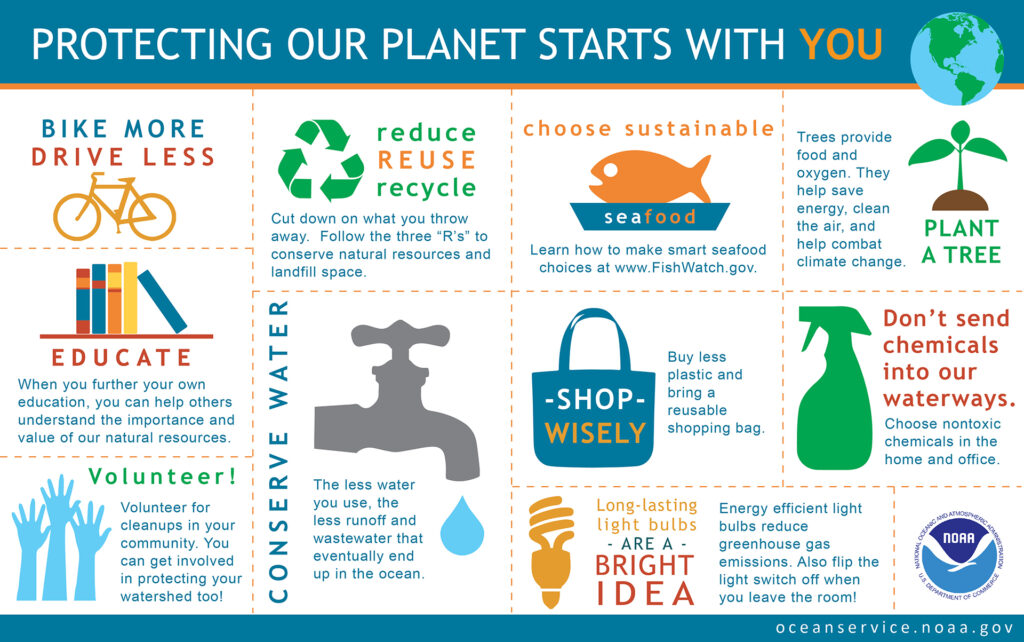
As I scroll through my Twitter and Facebook feeds, I’m constantly bombarded with questions about environmental impact, organic food, and related topics. One question stands out in particular: “How can I help the environment?” It’s a noble inquiry, but often met with a sense of frustration or overwhelm. The truth is, there’s no single solution – but small changes can add up over time.
As someone who believes in living sustainably, I’m happy to share some practical tips on how to make a positive impact on the environment. But first, let’s talk about what it means to live sustainably. Simply put, it’s about adopting habits and behaviors that reduce our ecological footprint.
The Benefits of Sustainable Living
Living sustainably isn’t just about saving the planet – it’s also good for our mental and physical health. By reducing our consumption and waste, we can:
- Lower our carbon footprint and contribute to a cleaner environment
- Save money on energy bills and reduce our reliance on non-renewable resources
- Enjoy better air quality and improved overall well-being
Getting Started with Sustainable Living
So, where do you start? Here are some simple steps to get you going:
- Reduce: Try to minimize your daily consumption of single-use plastics, paper products, and other waste. Use reusable bags, water bottles, and coffee cups instead.
- Reuse: Get creative with items you might otherwise throw away. Turn old t-shirts into reusable bags or use mason jars for storage.
- Recycle: Make sure to recycle as much as possible, including paper, plastic, glass, and metal.
Practical Tips for a Sustainable Lifestyle
Here are some practical tips to help you live sustainably:
- Eat local and seasonal: Reduce your carbon footprint by choosing locally sourced produce and avoiding imported goods.
- Use public transport or walk/bike: Leave your car at home and opt for more eco-friendly modes of transportation.
- Turn off lights and electronics when not in use: Simple habits like this can make a big difference over time.
Creative Ways to Reduce Waste
Don’t throw away those old decorations! Get creative with materials you might otherwise discard. Here are some ideas:
- Use recycled materials for crafting or DIY projects
- Plant trees or start a small garden to reduce air pollution and produce fresh produce
- Create a “zero-waste” kitchen by using reusable containers and avoiding single-use plastics
Reducing Energy Consumption
There are several ways to reduce energy consumption in your daily life:
- Use energy-efficient light bulbs, such as LEDs or CFLs.
- Turn off lights, electronics, and appliances when not in use.
- Adjust your thermostat to lower the temperature in winter and raise it in summer.
Reducing Water Consumption
Here are some simple ways to reduce water consumption:
- Fix leaky faucets and toilets.
- Install low-flow showerheads and faucets.
- Use a broom instead of a hose for cleaning.
Reducing Food Waste
Food waste is a significant contributor to greenhouse gas emissions. Here are some tips to help you reduce food waste:
- Plan your meals and make a grocery list to avoid buying too much food.
- Store food properly to keep it fresh for longer.
- Use up leftovers or freeze them for later.
Sustainable Fashion
The fashion industry is one of the largest contributors to greenhouse gas emissions. Here are some tips to help you live more sustainably in your wardrobe:
- Buy second-hand clothing or swap clothes with friends.
- Choose sustainable fabrics like organic cotton, hemp, and recycled materials.
- Avoid fast fashion and opt for timeless pieces that won’t go out of style quickly.
Sustainable Beauty
The beauty industry is also a significant contributor to waste and pollution. Here are some tips to help you live more sustainably in your beauty routine:
- Choose products with natural ingredients and minimal packaging.
- Use reusable makeup brushes and sponges.
- Avoid single-use beauty products like disposable mascara wands.
Conclusion
Living sustainably isn’t rocket science – it’s about making small changes that add up over time. By reducing our consumption, reusing what we can, and recycling as much as possible, we can make a real difference for the environment.
Frequently Asked Questions (FAQs)
Q: What are some simple ways to reduce my carbon footprint?
A: Some easy tips include using public transport or walking/biking, turning off lights and electronics when not in use, and reducing air travel.
Q: How can I make my home more sustainable?
A: Start by implementing small changes like using energy-efficient light bulbs, insulating your home, and reducing water waste.
Q: What are some creative ways to reuse materials?
A: Get crafty with old materials like cardboard, fabric scraps, or discarded plastic bottles. You might be surprised at what you can create!
Q: How can I reduce my reliance on single-use plastics?
A: Start by refusing single-use plastics like straws, bags, and water bottles. Instead opt for reusable alternatives like stainless steel straws or cloth bags.
Q: What’s the most effective way to make a positive impact on the environment?
A: The truth is, every small change counts! By making conscious choices in your daily life, you can contribute to a more sustainable future.


