
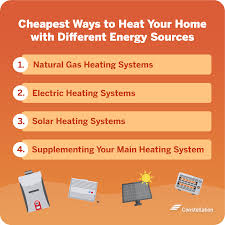
As the temperatures drop, it’s essential to prepare your home for the cold months ahead. Not only is it a matter of comfort, but also an economic and environmental one. By optimizing your home’s heating system and learning how to heat your house without wasting energy, you’ll not only save some money, but also reduce your carbon footprint.
Why Proper Maintenance is Key
Before we dive into the nitty-gritty of heating systems, it’s crucial to understand the importance of regular maintenance. Check your impiants’ state of health, clean filters, and inspect for any damage or wear and tear. A well-maintained system will consume less energy and reduce waste.
Regular maintenance can help prevent costly repairs, ensure optimal performance, and even extend the lifespan of your heating system. By investing time and effort into maintaining your system, you’ll be able to identify and address potential issues before they become major problems.
Controlling the Temperature
One of the most significant factors in heating your house without wasting energy is controlling the temperature. A comfortable temperature between 19°C to 22°C is ideal, as it minimizes energy consumption while maintaining a pleasant atmosphere. It’s also essential to avoid overheating, which can lead to health issues and increased energy bills.
To control the temperature effectively, consider using a smart thermostat that can learn your schedule and preferences. Some thermostats can even adjust the temperature based on factors such as outdoor weather forecasts or occupancy patterns.
Limiting Accensione Hours
The Italian government has implemented regulations on the maximum hours of heating system activation per day, depending on your region’s climate zone. This is crucial in optimizing energy consumption, as prolonged activation leads to heat loss.
To take advantage of these regulations, consider adjusting your heating schedule to coincide with periods when you’re likely to be away from home or engaged in activities that require less energy usage. This might include activating your system during the morning and evening hours when you’re typically awake and using more energy.
Shielding Windows at Night
Proper insulation is vital in minimizing heat loss. Use curtains or blinds to shield windows from cold air and reduce heat dispersion during the night. Installing heavy curtains or using thermal shades can help retain warmth.
In addition to shielding your windows, consider adding insulation to your walls and ceiling. This can be achieved by installing materials such as foam board or fiberglass batts between your studs or in the attic space.
Monitoring and Maintaining Thermosiphons
Thermosiphons play a significant role in heating your house without wasting energy. Make sure they are clean, free of debris, and properly installed to ensure efficient operation.
Regularly inspecting your thermosiphon will help you identify any potential issues before they become major problems. Check for signs of corrosion, leaks, or other damage that could be affecting its performance.
DIY Checks vs. Professional Evaluations
While some maintenance tasks can be handled by yourself, others require professional evaluation. Use tools like energy audits or heat performance certificates (APE) to assess your home’s energy efficiency and identify areas for improvement.
If you’re unsure about how to perform a particular task or if you suspect that there may be a more serious issue with your heating system, consider hiring a professional for assistance.
Renewing Your Heating System
Consider investing in a new heating system that’s more efficient and environmentally friendly. Options include condensing boilers, high-efficiency heaters, and biomass systems. You may also explore government incentives, such as 50% or 65% rebates, to offset the costs.
When selecting a new heating system, consider factors such as your climate zone, home size, and personal preferences. Consult with professionals or conduct research to find the best option for your needs.
Smart Home Technology
Modern smart home technology can help optimize your heating system’s efficiency. Features like central thermostats, sensor-enabled devices, and smartphone control enable you to manage your energy consumption remotely.
Some popular smart home devices that can help you heat your house without wasting energy include:
- Smart thermostats: These devices can learn your schedule and preferences, adjust the temperature accordingly, and even integrate with other smart home devices.
- Smart sensors: These devices can detect changes in outdoor weather patterns, occupancy levels, or other factors to optimize heating system performance.
- Smart control panels: These panels enable you to manage multiple devices remotely and set schedules for energy usage.
Utilizing Valves
Valves play a crucial role in regulating water temperature and reducing waste. Adjusting valves on your thermosiphons can help minimize heat loss while maintaining optimal temperatures.
When it comes to adjusting valves, consider the following tips:
- Use low-flow valves: These valves reduce water flow without compromising performance.
- Install valves with thermostatic controls: These devices can automatically adjust valve opening based on temperature changes.
- Regularly inspect and maintain valves: Make sure they’re clean, free of debris, and properly installed to ensure efficient operation.
Managing Your Energy Consumption
Consider investing in an energy meter or thermostat to track your energy usage and identify areas for improvement. This will enable you to make informed decisions about your heating system’s operation.
Some popular energy management tools include:
- Smart meters: These devices provide real-time data on energy consumption, enabling you to identify patterns and optimize performance.
- Energy monitoring systems: These systems track energy usage across multiple appliances and devices, helping you identify areas for improvement.
FAQs
Q: How can I ensure my home is properly insulated?
A: Proper insulation is crucial in minimizing heat loss. Use curtains, blinds, or thermal shades to shield windows, and consider investing in a professional insulation audit.
Q: What are the benefits of using a condensing boiler?
A: Condensing boilers are more efficient and environmentally friendly than traditional boilers. They can help reduce energy consumption and lower your carbon footprint.
Q: Can I use smart home technology to optimize my heating system’s efficiency?
A: Yes, modern smart home devices can help you manage your energy consumption remotely. This includes central thermostats, sensor-enabled devices, and smartphone control.
Q: How often should I perform routine maintenance on my thermosiphon?
A: Regularly check and clean your thermosiphon to ensure optimal performance. Consider hiring a professional if you’re unsure about the process.
Q: Are there any government incentives available for energy-efficient upgrades?
A: Yes, various governments offer rebates and incentives for energy-efficient upgrades. Research local programs to determine what benefits you may be eligible for.
Q: How can I choose the right heating system for my home?
A: Consider factors such as your climate zone, home size, and personal preferences when selecting a heating system. Consult with professionals or conduct research to find the best option for your needs.
Q: Can I save money by using an energy-efficient thermostat?
A: Yes, using an energy-efficient thermostat can help reduce your energy consumption and lower your utility bills. This is especially true for thermostats that learn your schedule and preferences.
Q: How often should I replace my heating system’s components?
A: Regularly inspect and replace worn-out components to ensure optimal performance. Consult with professionals if you’re unsure about the process or need guidance on replacement schedules.
Q: Are there any specific safety considerations when using a smart home device for energy management?
A: Yes, be cautious when using smart home devices remotely, as they can sometimes malfunction or introduce security risks. Regularly update your software and follow manufacturer guidelines to ensure safe operation.
By following these tips and utilizing the right tools, you’ll be well on your way to heating your house without wasting energy. Remember to stay informed about local incentives and technologies that can help optimize your home’s efficiency and reduce your carbon footprint.


