
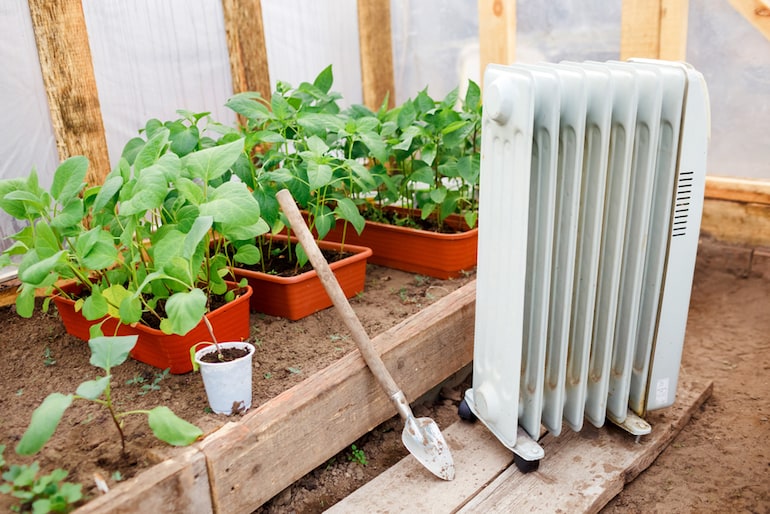
As a greenhouse owner, you understand the importance of maintaining an optimal temperature within your structure to promote healthy plant growth. A cold greenhouse can be detrimental to plants, and it’s essential to know how to warm it up without breaking the bank or compromising on efficiency.
Understanding Greenhouse Climate
A small, climate-controlled greenhouse can offer a unique opportunity to cultivate both vegetables and ornamental plants. However, the internal climate represents an independent ecosystem that requires attention, especially during cold periods. Automating temperature regulation in cold weather is crucial for maintaining optimal temperatures.
For example, if you’re growing tomatoes in your greenhouse, it’s essential to maintain a temperature range of 18-25°C (64-77°F) to ensure proper fruit development and prevent blossom end rot. Similarly, for orchids, a consistent temperature between 18-24°C (64-75°F) is necessary to promote healthy growth and flowering.
Factors Affecting Temperature Regulation
Before implementing any warming system, it’s vital to determine the ideal air and soil temperatures necessary for your specific plant varieties. This information will guide you in making informed decisions about greenhouse design and equipment. Some factors that can affect temperature regulation include:
- Plant species: Different plants have unique temperature requirements. For example, some flowers like roses require a cold period to induce blooming, while others like tomatoes prefer warm temperatures.
- Light intensity: Greenhouses with high light intensities tend to be warmer than those with low light levels.
- Insulation and shading: The amount of insulation and shading available can significantly impact the temperature inside your greenhouse.
- Ventilation: Proper ventilation is crucial to prevent overheating and maintain a healthy atmosphere.
Natural Methods of Warming Greenhouses
For small greenhouses dedicated to protecting ornamental plants like azaleas, geraniums, and gardenias, minimal effort is required to establish a reliable heating system. By orienting the greenhouse towards the south and harnessing natural sunlight, you can generate heat at zero cost.
Another approach involves constructing the greenhouse against a warm wall, typically in a house that’s heated during winter. In this case, even if the transfer of heat from the wall is limited, it often suffices to maintain the internal temperature around 1-2°C above freezing point.
Greenhouse Design Considerations
When designing your greenhouse, consider the following factors to ensure optimal temperature regulation:
- Orientation: Position your greenhouse to face south for maximum sunlight exposure.
- Glazing: Use low-e coatings or double-glazed panes to minimize heat loss and gain.
- Insulation: Install insulation materials like foam board, fiberglass batts, or straw bales to reduce heat loss.
- Ventilation: Ensure proper ventilation by incorporating vents, windows, or clerestory windows to regulate air circulation.
Addressing Challenging Conditions
In situations where greenhouses face unfavorable conditions, such as inadequate insulation or reduced sunlight, supplemental heating may be necessary. In these cases, maintaining temperatures below 4-5°C (39-41°F) is often insufficient, necessitating the installation of a dedicated heating system.
Some common challenging conditions include:
- High winds: Windy weather can lead to heat loss and damage to plants.
- Low humidity: Low humidity can cause plant stress and reduce growth rates.
- Poor insulation: Inadequate insulation can result in excessive heat loss or gain, leading to temperature fluctuations.
To address these challenges, consider the following strategies:
- Heating systems: Install heating systems like electric heaters, propane heaters, or solar-powered systems to maintain optimal temperatures.
- Climate control: Implement climate control systems that regulate air circulation, humidity, and temperature to create a stable environment for your plants.
- Irrigation management: Use drip irrigation or misting systems to reduce evaporation and conserve water.
Greenhouse Heating with Renewable Energy
To warm a cold greenhouse using renewable energy sources, consider installing solar panels integrated into your greenhouse design. These can harness sunlight to provide heat for your plants. Additionally, exploring options like net metering and energy credits can contribute to the overall efficiency of your system.
Some benefits of renewable energy-based heating systems include:
- Cost savings: Renewable energy systems can reduce fuel costs and lower operating expenses.
- Environmental benefits: Solar-powered systems emit zero greenhouse gases and contribute to a more sustainable environment.
- Increased efficiency: Modern solar panels have high efficiency rates, making them an effective choice for greenhouse heating.
Case Study: Solar-Powered Greenhouse Heating
A 15m² small greenhouse can be warmed using a 150W solar panel, which is an affordable investment of €300. This amount can suffice for heating purposes, making renewable energy-based solutions accessible to homeowners.
To further optimize the performance of your solar-powered system:
- Monitor temperature and energy usage: Track temperature fluctuations and energy consumption to identify areas for improvement.
- Optimize panel placement: Ensure optimal sunlight exposure by adjusting panel angle or orientation.
- Combine with insulation: Pair your solar panels with insulation materials to maximize heat retention.
Conclusion
Maintaining an optimal greenhouse temperature requires careful consideration of plant species, climate control systems, and renewable energy sources. By understanding the unique challenges presented by your greenhouse environment, you can optimize temperature conditions for optimal plant growth without compromising on efficiency or budget.
Remember to always consult local experts and follow best practices when designing and maintaining a greenhouse heating system. With the right approach, you can create an ideal climate for your plants, ensuring healthy growth and maximizing yields in your greenhouse oasis.


