
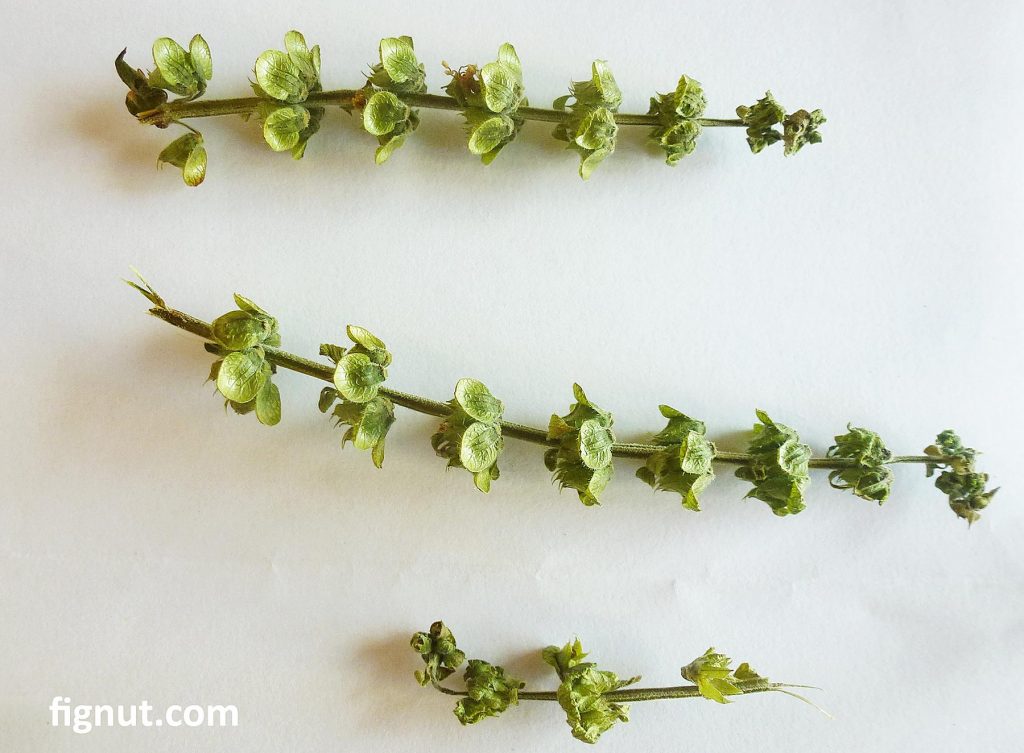
As a gardener, selecting the right seeds for your next basil crop can be an exciting task. Whether you’re looking to grow a new variety of basil or simply want to propagate some fresh seeds from last year’s harvest, this article will provide a detailed guide on harvesting basil seeds.
Introduction to Basil Seeds
Basil is one of the most popular herbs in the world, and its seeds are relatively easy to harvest. With over 150 species of basil, each with its unique characteristics, growing your own basil from seed can be a rewarding experience. In this article, we will delve into the process of harvesting basil seeds, including choosing healthy plants, timing the harvest, and preserving the seeds for future use.
Choosing Healthy Plants for Seed Production
Before we dive into the nitty-gritty of seed harvesting, it’s essential to select healthy plants that are prime candidates for producing high-quality seeds. Look for robust and vigorous plants with well-developed foliage and a strong stem structure. Avoid plants with signs of disease or pests, as these can negatively impact seed quality.
Some key factors to consider when selecting basil plants for seed production include:
- Plant age: Basil plants typically take around 60-90 days to mature after germination.
- Foliage size and color: Healthy plants should have large, dark green leaves with minimal yellowing or browning.
- Stem strength: Choose plants with sturdy stems that can support the weight of the inflorescence.
Timing is Everything: Selecting the Right Time for Seed Production
To ensure optimal seed production, choose plants that are in their prime flowering stage. This usually occurs towards the end of summer, although the exact timing may vary depending on your location and climate. Keep an eye out for clusters of small white or purple flowers, which signal the onset of seed production.
In general, basil seeds are ready to harvest when the following conditions are met:
- Flower color: The flowers should be a light brown or yellowish color.
- Seed formation: Small, undeveloped seeds can be seen within the flower clusters.
- Inflorescence dryness: The inflorescence should be completely dry and brittle to the touch.
Harvesting Basil Seeds
When harvesting basil seeds, it’s crucial to handle them gently to avoid damaging the delicate reproductive structures. Here’s a step-by-step guide:
- Identify Mature Flowers: Look for clusters of mature flowers that have turned brown or yellowish in color.
- Cut Off the Inflorescence: Using scissors or pruning shears, carefully cut off the entire inflorescence (flower stalk) just above a leaf node. This will help prevent seeds from falling off and reduce moisture loss.
- Dry the Inflorescence: Hang the cut inflorescence upside down in a warm, dry, dark place with good air circulation. This will help dry out the seed heads and make them easier to remove.
- Remove Seeds: Once the inflorescence is completely dry, gently shake it to release the seeds.
Preserving Basil Seeds
To ensure long-term viability, store your harvested basil seeds in an airtight container:
- Use glass jars or paper envelopes with tight-fitting lids
- Keep the containers away from direct sunlight and moisture
- Store them at room temperature (around 70°F to 75°F) or in the refrigerator
Tips for Successful Basil Seed Harvesting
Some additional tips to keep in mind when harvesting basil seeds include:
- Harvest regularly: Regular harvesting will encourage your plants to produce more flowers and seeds.
- Monitor seed quality: Check your seeds regularly for signs of decay, mold, or pest damage.
- Share with others: Basil seeds make great gifts for fellow gardeners, so don’t be afraid to share!
Conclusion
Growing basil from seed can be a rewarding experience, especially when you harvest the seeds yourself. By following these simple steps and tips, you’ll be well on your way to enjoying fresh, homegrown basil all season long. Happy growing!


