
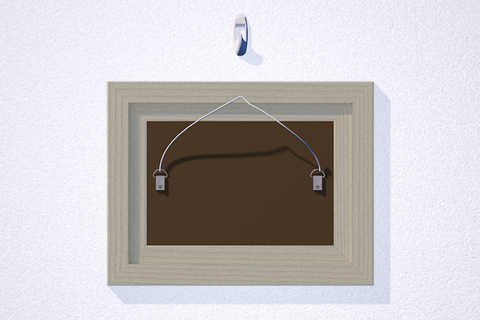
Hanging a painting can be a daunting task, especially for those who are new to interior design or DIY projects. However, with the right techniques and tools, you can create a stunning focal point in your home that complements your decor and elevates the ambiance. In this article, we will explore the essential factors to consider when hanging a painting, including the size of the canvas, type of support, weight, lighting, and more.
Understanding Your Picture
Before you start hanging your picture, it’s essential to understand its characteristics. This includes:
- Size of the canvas: The larger the canvas, the heavier the frame, and the more support it requires.
- Presence or absence of a frame: Frames can add weight and require additional support.
- Weight of the picture: Lighter pictures can be hung using nails or adhesive strips, while heavier ones may need screws or specialized anchors.
- Amount of lighting: Consider the lighting conditions in the room where you plan to hang your picture.
Choosing the Right Support
There are two primary types of supports: wall-mounted and wallboard. Each has its unique challenges and requirements:
Wall-Mounted Supports
For pictures hung on walls, consider using a sturdy frame that can hold the weight of the canvas and any additional decorations.
- Drywall: For drywall walls, use adhesive strips or specialized anchors to ensure the picture is securely attached.
- Wooden walls: For wooden walls, use nails or screws specifically designed for wood structures.
Wallboard Supports
For pictures hung on wallboards made of drywall, consider using a lightweight frame that won’t put excessive strain on the material.
Hanging a Picture Without Damaging the Wall
To hang a picture without damaging the wall, you can use:
- Adhesive strips: Bi-adesive strips like Tesa Power Strips are perfect for supporting up to 2 kg of weight.
- Glue paste: Millechiodi Pattex is a more affordable option that leaves no stains.
Hanging a Picture on a Wallboard
When hanging a picture on a wallboard made of drywall, keep in mind:
- Lightweight frames: Choose frames that won’t put excessive strain on the material.
- Adhesive strips or screws: Use specialized anchors to secure the frame.
Hanging a Heavy Picture
For heavy pictures, consider using:
- Drill and anchors: For heavier pictures (up to 7 kg), use fishers (anchors) for masonry and follow the manufacturer’s instructions.
- Screws or nails: Use screws or nails specifically designed for heavy loads.
Hanging a Picture on a Wooden Wall
For prefabricated wooden structures, avoid drilling into walls. Instead:
- Use 12 mm iron nails in semenza finish: These are specifically designed for wooden structures.
- Follow the tips from “How to Hang a Picture Without Damaging the Wall”
Choosing the Right Tools
To hang your picture successfully, you’ll need the following tools:
- Drill: For drilling holes and using anchors.
- Level: To ensure the picture is straight and level.
- Measuring tape: To measure the wall and calculate the distance from the ceiling or other objects.
- Nails or screws: Depending on the type of wall and the weight of the picture.
- Adhesive strips: For hanging pictures on walls without damaging them.
Tips for Hanging a Picture
Here are some additional tips to keep in mind when hanging your picture:
- Measure twice, drill once: Double-check your measurements before drilling into the wall.
- Use the right anchor: Choose an anchor that’s designed for the type of wall you’re working with.
- Hang it level: Use a level to ensure the picture is straight and even.
- Don’t overtighten: Avoid over-tightening the screws or nails, as this can damage the wall.
Common Mistakes
Avoid making these common mistakes when hanging your picture:
- Drilling into the wrong spot: Make sure you’re drilling into a stud or using an anchor that’s designed for the type of wall.
- Not measuring carefully: Double-check your measurements before drilling to avoid damaging the wall.
- Using the wrong tools: Choose the right tools for the job, such as a drill and level.
Conclusion
Hanging a painting can seem daunting, but with the right techniques and tools, you can create a stunning focal point in your home. By considering factors like size, weight, lighting, and support, you’ll be able to choose the perfect hanging method for your picture.
Frequently Asked Questions (FAQs)
Q: What is the best way to hang a heavy picture?
A: For heavier pictures, use fishers (anchors) for masonry and follow the manufacturer’s instructions.
Q: Can I use nails instead of screws for hanging a picture?
A: Yes, but make sure to choose nails that are specifically designed for the type of wall you’re working with.
Q: How do I hang a picture on a wooden wall without damaging it?
A: Use 12 mm iron nails in semenza finish or follow the tips from “How to Hang a Picture Without Damaging the Wall.”
Q: Can I use adhesive strips to hang a heavy picture?
A: No, bi-adesive strips are designed for supporting up to 2 kg of weight. For heavier pictures, consider using screws or specialized anchors.
Q: How do I choose the right support for my picture?
A: Consider factors like size, weight, lighting, and type of wall when choosing the right support for your picture.
Q: Can I hang a picture on any type of wall?
A: No, some walls (like those made of drywall) require specialized anchors or adhesive strips to ensure the picture is securely attached.


