
Growing Winter Jasmine: A Comprehensive Guide
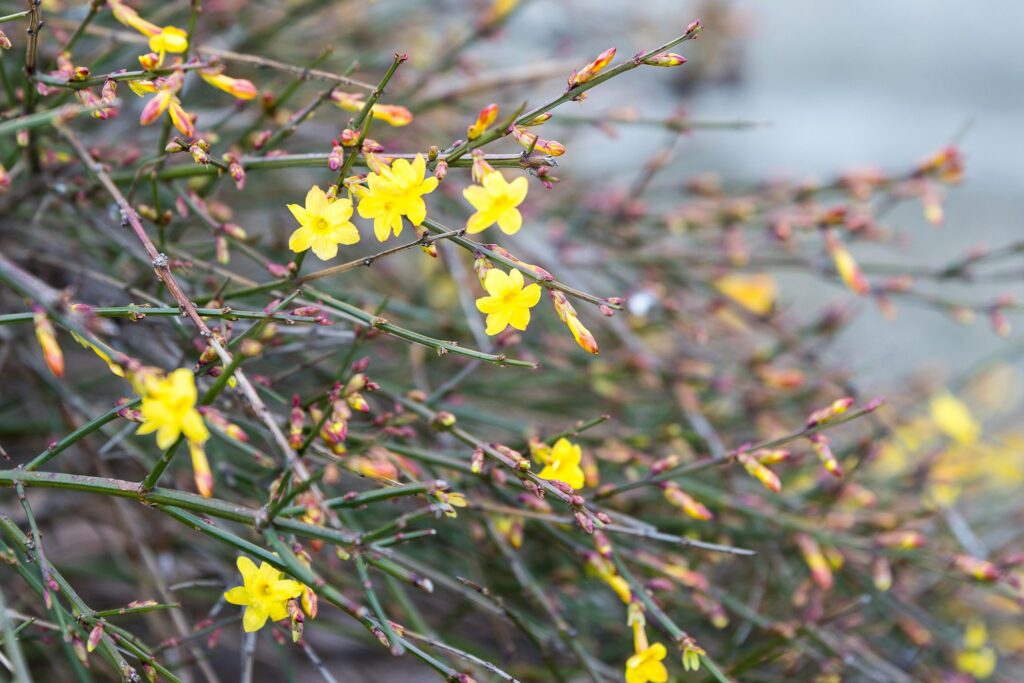
If you’re familiar with the summer jasmine, you’ll know why it’s a popular choice for gardens as a climbing shrub for its bright leaves and fragrant white flowers. But did you know there’s another variety of winter jasmine that blooms in the dead of winter? Meet Jasminum nudiflorum, also known as winter jasmine, which brings some much-needed color to bare winter landscapes.
Characteristics of Winter Jasmine
Winter jasmine is a hardy shrub that can thrive in cold temperatures. Its flowers are yellow, vibrant, and showy, blooming from January to February, while its leaves don’t give off any scent, but make up for it with their striking appearance. The flower stems are strappy and drooping, making them perfect for creating hedges or borders. They grow rapidly, reaching up to 3 meters in height.
Growing Winter Jasmine: Tips and Tricks
Growing winter jasmine is a relatively straightforward process that requires minimal knowledge. This shrub is quite rustic, resistant to pollution, and grows steadily under both full sun and partial shade. However, it’s crucial to consider how much sunlight your plant receives, as more light will result in better blooming.
Tips for Growing Winter Jasmine
Here are some essential tips for growing winter jasmine:
- Protect from excessive sunlight: In areas with scorching summers, provide shade for the plant.
- Choose a sunny spot: Preferring west or south-facing exposure can increase blooming.
- Prune in spring: Lightly dig around the base of the plant and insert a fork into the soil to create air pockets. Fill these holes with sand.
- Ensure good drainage: A well-draining soil will help prevent waterlogged roots and root rot.
- Water sparingly: Avoid overwatering, especially during hot summers when evaporation is high.
- Fertilize in autumn: Adding organic fertilizer can enrich the soil and promote healthy growth.
Propagation of Winter Jasmine
If you want to create new plants from existing ones, you can take cuttings in the fall. This involves placing the stems into a container filled with a mix of peat moss and sand until roots develop.
Pruning Winter Jasmine
Pruning winter jasmine immediately after its blooming period ends is essential for maintaining its shape and encouraging new growth. This also allows you to trim any dead or damaged branches, promoting healthy regrowth.
Pest and Disease Control
Winter jasmine is generally resistant to pests and diseases, but it’s still important to monitor your plant regularly. Regularly inspect your plant for signs of infestation or infection, and take action promptly if necessary.
Care and Maintenance
To keep your winter jasmine healthy and thriving, make sure to:
- Fertilize annually: Use a balanced fertilizer in the spring to promote growth.
- Mulch around the base: Mulching will help retain moisture and suppress weeds.
- Monitor for pests: Regularly inspect your plant for signs of infestation or infection.
Propagation Techniques
If you want to create new plants from existing ones, you can use various propagation techniques. Here are some common methods:
- Stem Cuttings: Take cuttings from the stems in the fall, and place them into a container filled with a mix of peat moss and sand until roots develop.
- Layering: Bend a stem down to the ground and secure it with a rock or weight. Roots will develop on the buried portion of the stem, which can then be cut from the parent plant.
- Division: Divide the root system of your winter jasmine in the fall, making sure each division has at least one growing point.
Common Problems
While winter jasmine is generally easy to grow, there are some common problems you may encounter. Here are a few:
- Lack of Blooms: If your winter jasmine isn’t blooming as expected, it could be due to inadequate sunlight or poor soil conditions.
- Pests: Regularly inspect your plant for signs of infestation or infection, and take action promptly if necessary.
- Root Rot: Make sure the soil is well-draining and avoid overwatering, which can cause root rot.
Conclusion
Growing winter jasmine can be a rewarding experience, especially when it blooms in the dead of winter. By following these tips and tricks, you’ll be able to create a beautiful and fragrant winter jasmine plant that will bring some much-needed color to your garden.
Here are 8 FAQs about growing winter jasmine:
- What is the ideal temperature for winter jasmine?
- Winter jasmine thrives in cold temperatures, tolerating -20°C to -30°C (-4°F to -22°F).
- How often should I prune my winter jasmine?
- Prune your winter jasmine immediately after its blooming period ends.
- Can I grow winter jasmine indoors?
- While winter jasmine can be grown in containers, it prefers outdoor conditions with ample sunlight.
- What is the best soil for growing winter jasmine?
- Winter jasmine thrives in well-draining soil with a pH between 6 and 7.
- How often should I water my winter jasmine?
- Water sparingly during hot summers, but ensure good drainage to prevent root rot.
- Can I grow winter jasmine in partial shade?
- Winter jasmine can tolerate partial shade but may not bloom as profusely as it would under full sun.
- How fast does winter jasmine grow?
- Winter jasmine grows rapidly, reaching up to 3 meters (10 feet) in height within a year or two.
- Is winter jasmine invasive?
- No, winter jasmine is not typically considered an invasive species and won’t harm native ecosystems when grown responsibly.
By following these tips and tricks, you’ll be able to create a beautiful and fragrant winter jasmine plant that will bring some much-needed color to your garden.


