
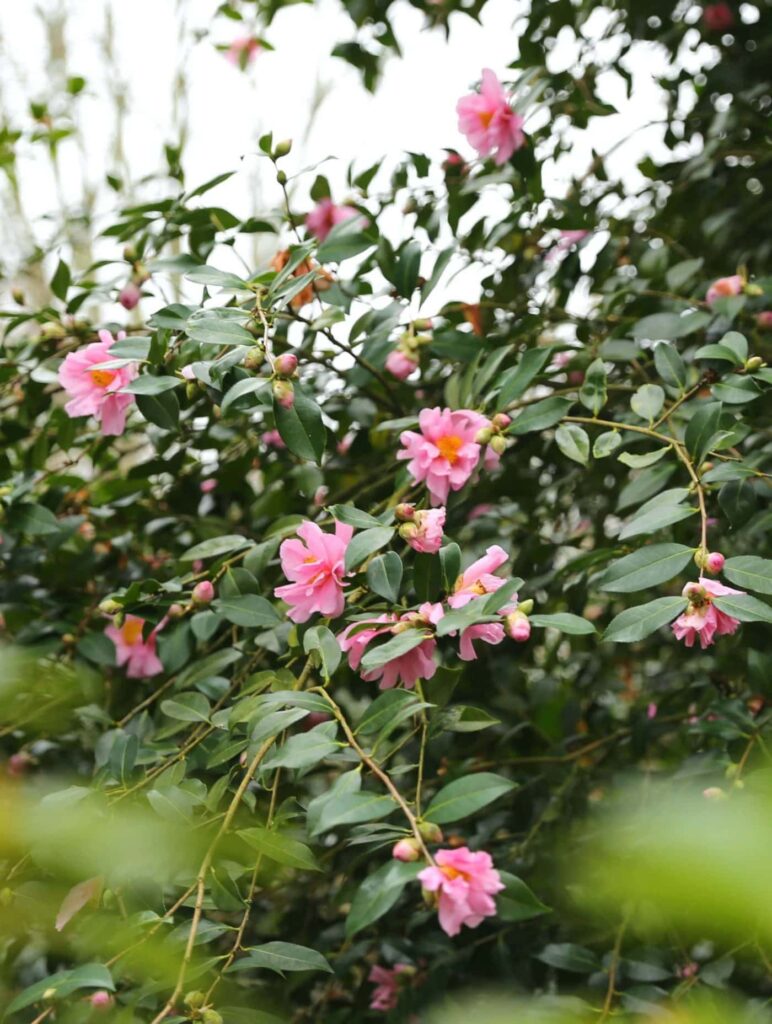
If you’re looking for a way to add some color and fragrance to your garden during the cold winter months, consider growing winter camellias. These hardy plants produce stunning flowers that can withstand temperatures as low as -12°C, making them perfect for creating beautiful winter displays.
What are Winter Camellias?
Winter camellias are a type of flowering shrub that thrives in cooler climates. They come in various species, including the popular Camellia sasanqua and Camellia hiemalis. These plants are known for their showy, fragrant flowers that bloom from late autumn to early spring.
Benefits of Growing Winter Camellias
Winter camellias offer several benefits for gardeners:
- Low Maintenance: These plants are easy to care for and can tolerate some neglect.
- Fragrance: The flowers of winter camellias have a sweet, perfume-like fragrance that’s sure to delight.
- Hardiness: Winter camellias can withstand extreme temperatures, making them perfect for gardeners in cooler climates.
Choosing the Right Variety
When selecting a variety of winter camellia, consider the following factors:
- Flower Color: Winter camellias come in a range of colors, including pink, white, and red.
- Fragrance: Some varieties have more intense fragrance than others, so choose one that suits your preferences.
- Growth Habit: Winter camellias can grow as compact shrubs or larger trees, depending on the variety.
Growing Conditions
To grow winter camellias successfully, provide them with:
- Cool Temperatures: These plants prefer temperatures between 10-20°C (50-68°F).
- Well-Draining Soil: Winter camellias don’t like wet feet, so ensure the soil drains well.
- Partial Shade: While they can tolerate full sun, winter camellias also benefit from partial shade.
Planting and Care
To plant and care for your winter camellia:
- Choose a location with good air circulation to prevent disease.
- Plant the camellia in a well-draining potting mix, avoiding wet feet.
- Water regularly during the growing season, but avoid overwatering.
- Fertilize lightly during the growing season, using an acidic fertilizer.
Tips for Success
To ensure your winter camellia thrives:
- Prune Regularly: Prune your camellia in late winter or early spring to maintain shape and promote new growth.
- Mulch Around the Base: Mulching helps retain moisture and regulate soil temperature.
- Monitor for Pests: Keep an eye out for pests like aphids, spider mites, and scale.
Common Problems and Solutions
To address common issues with winter camellias:
- Overwatering: Check the soil regularly, and adjust watering habits as needed. Make sure to improve drainage if necessary.
- Pests: Use neem oil or insecticidal soap to treat infestations.
- Diseases: Remove infected leaves or stems, and apply fungicides as needed.
Winter Camellia Care in Extreme Weather Conditions
To ensure your winter camellia survives extreme weather conditions:
- Frost Protection: Cover the plant with a breathable cloth during heavy frost events to prevent damage.
- Wind Protection: Provide windbreaks using snow fencing, burlap, or other materials to shield the plant from harsh winds.
- Heat Protection: Apply a protective layer of mulch or straw around the base of the plant during prolonged heatwaves.
Winter Camellia Varieties for Specific Climate Zones
To choose the best winter camellia variety for your specific climate zone:
- USDA Hardiness Zones 6-9: Choose from varieties like ‘Sasanqua’ and ‘Hiemalis’.
- USDA Hardiness Zones 4-5: Select varieties like ‘Winter’s Pride’ or ‘Camellia sasanqua var. ‘Wuyipu”.
- USDA Hardiness Zones 3-4: Opt for hardy, compact varieties like ‘Camellia hiemalis’.
Propagation and Division
To propagate winter camellias:
- Grafting: Graft new shoots onto existing stems to create a rooted cutting.
- Division: Divide established plants during the growing season or after blooming.
By following these guidelines, you’ll be well on your way to growing beautiful winter camellias that will delight you with their fragrance and color.


