
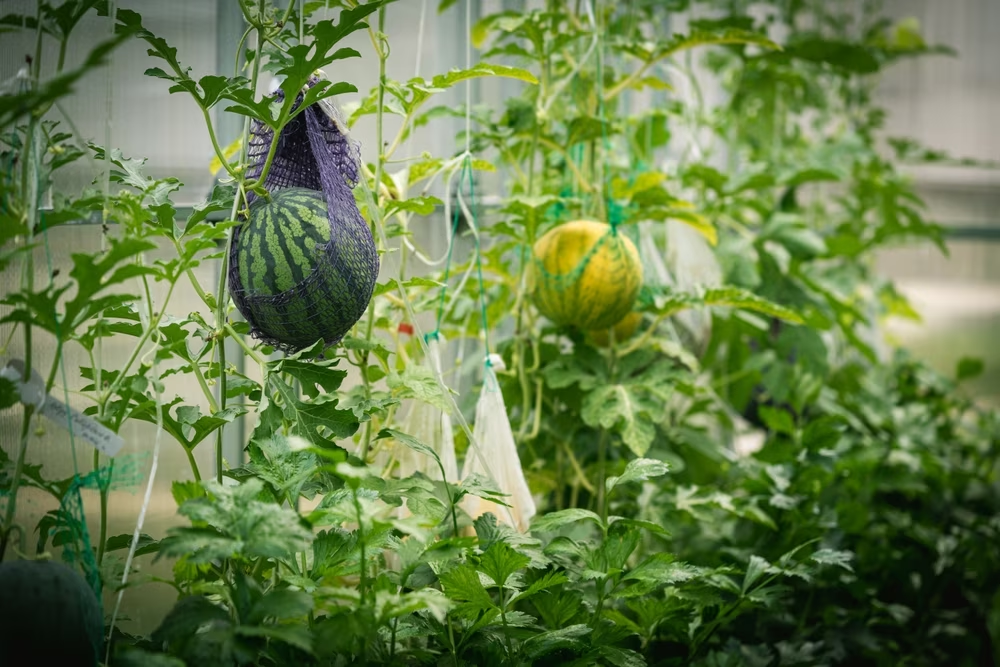
Are you considering adding a beautiful and delicious anguria to your garden? If so, you’ve come to the right place. In this article, we’ll take you through everything you need to know about cultivating angurie, from selecting the right variety to providing optimal care.
Choosing the Right Variety of Anguria
There are many different varieties of angurie available, each with its own unique characteristics and growth habits. Some popular varieties include:
- Anguria Baby: These small, sweet grapes are perfect for snacking or adding to salads.
- Mini Anguria: These smaller grape varieties are great for container gardens or small spaces.
- Anguria Gialla (Yellow Grape): This variety has a unique yellow skin and is perfect for making jams and preserves.
When selecting the right variety of anguria, consider factors such as space constraints, desired fruit size, and intended use. You should also think about how your chosen variety will perform in different climates and regions.
Some other factors to consider include:
- Climate: Angurie generally thrives in temperate climates with mild winters and warm summers. It’s not well-suited for areas with extreme temperatures or frost.
- Soil: Anguria prefers well-draining soil that is rich in organic matter. If your soil lacks these qualities, consider adding compost or well-rotted manure to improve its structure.
- Sunlight: Angurie needs full sun to produce a bountiful harvest. Choose a location that receives at least 6 hours of direct sunlight per day.
Preparing the Soil
Before planting your angurie, you’ll need to prepare the soil. Start by loosening the top 12 inches of soil with a garden fork or spade. This will help break up any clods and improve drainage.
Next, add a 2-inch layer of compost or well-rotted manure to enrich the soil. You can also consider adding fertilizers such as balanced organic compounds (10-10-10) or high-phosphorus products (10-20-10). These will promote healthy growth and fruiting in your anguria.
Sowing and Planting
Once you’ve prepared your soil, it’s time to sow your seeds. Angurie seeds can be sown directly into the ground in the spring or fall, when the weather is cooler. If you’re starting with seedlings, choose healthy plants with at least two sets of leaves.
Plant them 12-18 inches apart and water thoroughly. You should also provide support for the vines to climb, such as a trellis or arbor.
Sowing Seeds Directly into the Ground
If you’re sowing seeds directly into the ground, make sure to:
- Choose the right time: Sow your seeds in the spring or fall when temperatures are between 65°F and 75°F (18°C and 24°C).
- Use fresh seeds: Buy new seeds each year for optimal germination rates.
- Sow at the correct depth: Plant your seeds about 1/4 inch deep, with the pointed end facing upwards.
Starting Seedlings from Cuttings
If you’re starting seedlings from cuttings, make sure to:
- Take healthy cuttings: Choose fresh, disease-free cuttings from mature plants.
- Remove lower leaves: Take off any lower leaves that will be submerged in water or soil.
- Plant immediately: Plant your cuttings immediately in a container filled with well-draining mix.
Caring for Your Anguria
Proper care is essential to ensuring your angurie produces a bountiful harvest. Here are some tips to keep in mind:
- Watering: Keep the soil consistently moist, but not waterlogged. Aim to provide about 1 inch of water per week, either from rainfall or irrigation.
- Fertilization: Feed your anguria with a balanced fertilizer (10-10-10) once a month during the growing season.
- Pruning: Prune your anguria regularly to promote healthy growth and fruiting. Cut back any dead or damaged branches to encourage new growth.
By following these tips, you’ll be well on your way to growing delicious and healthy angurie in no time.
Common Problems with Anguria
Anguria is generally a hardy plant that can tolerate some common problems. However, there are some issues that may arise if not properly addressed:
- Pests: Common pests like aphids, whiteflies, and spider mites can infest angurie plants. Use neem oil or insecticidal soap to control these pests.
- Diseases: Anguria is susceptible to fungal diseases like powdery mildew and leaf spot. Treat these conditions with fungicides and ensure good air circulation around the plant.
Harvesting Your Anguria
The time has come to enjoy your delicious homemade grapes! Here are some tips for harvesting your angurie:
- Wait until ripe: Allow your grapes to ripen fully before picking them.
- Handle with care: Handle your grapes gently to avoid bruising or damaging the fruit.
- Store properly: Store your harvested grapes in a cool, dry place to maintain their freshness.
By following these tips and taking proper care of your anguria, you’ll be able to enjoy this delicious and nutritious fruit for years to come.


