
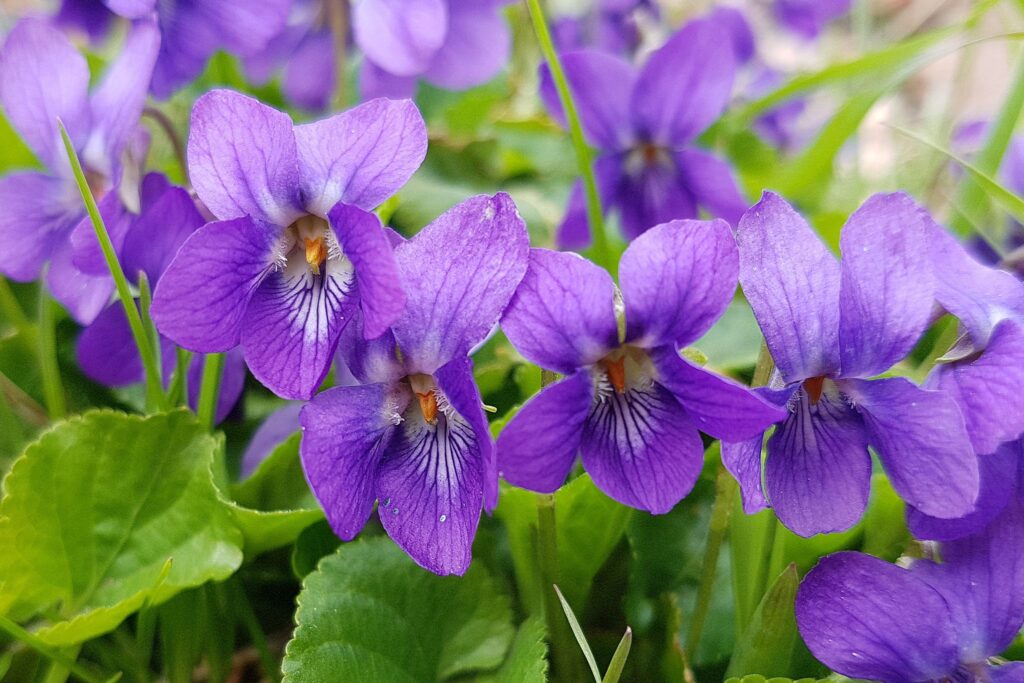
As we explore the world of gardening, few flowers capture our attention like violets. These small, yet vibrant blooms are not only a delight to behold but also offer numerous benefits for the garden and its inhabitants. In this article, we’ll delve into the world of violets, covering everything from their history and care to propagation and pest control.
Understanding Violets
Violets are perennial flowering plants that have been cultivated for centuries. They are relatively easy to grow and require minimal maintenance, making them an ideal choice for gardeners of all skill levels. There are over 400 species of violets, each with its unique characteristics and benefits.
One of the most popular species is Viola tricolor, commonly known as the viola tricolor or three-leaved violet. This species has been extensively cultivated and is widely available in markets around the world.
Choosing the Right Variety
With so many varieties to choose from, selecting the right one can be overwhelming. Here are a few popular options:
- Viola tricolor: A classic choice, known for its vibrant purple, yellow, and white flowers.
- Viola cornuta: Also known as the curled violet or wild violet, this species has smaller flowers and is often used in landscaping and floral arrangements.
- Viola mammola: Commonly referred to as the field violet or wild violet, this species is prized for its delicate purple flowers and edible leaves.
Planting Violets
When it comes to planting violets, timing is everything. In general, autumn and spring are the best times to plant, as the weather is mild and rainfall is abundant.
Here are a few tips to keep in mind:
- Plant violets at least 30 cm apart to ensure proper growth.
- Use a well-draining potting mix to prevent waterlogged soil.
- Fertilize regularly with a balanced fertilizer to promote healthy growth.
Caring for Violets
Proper care is essential for maintaining the health and beauty of your violets. Here are some tips to keep in mind:
- Water regularly, but avoid overwatering.
- Provide partial shade during hot summer months to prevent scorching.
- Deadhead spent blooms to encourage repeat flowering.
Common Problems and Solutions
Like any plant, violets can be prone to certain problems. Here are a few common issues and their solutions:
- Pests: Check for aphids, whiteflies, and spider mites regularly. Use neem oil or insecticidal soap to control infestations.
- Diseases: Inspect plants regularly for signs of fungal infections, such as powdery mildew or leaf spot. Treat with fungicides or remove infected areas.
Harvesting Violets
Violet leaves and flowers are edible and can be used in a variety of dishes. Here are a few ways to enjoy your violets:
- Salads: Add fresh violet leaves to salads for a burst of flavor and color.
- Teas: Use dried violet flowers to make tea, which is said to have numerous health benefits.
- Baked goods: Add violet petals or leaves to baked goods, such as muffins or cakes, for a unique flavor.
Propagation
Violets can be propagated through division, seed, or leaf cuttings. Here are a few methods:
- Division: Divide established plants in the spring or fall to create new divisions.
- Seed: Sow seeds indoors 8-10 weeks before the last frost date in your area.
- Leaf cuttings: Take leaf cuttings from mature leaves and root them in moist soil.
Pest Control
While violets are relatively pest-free, they can be susceptible to certain pests. Here are a few ways to control infestations:
- Neem oil: Use neem oil to repel aphids, whiteflies, and spider mites.
- Insecticidal soap: Use insecticidal soap to kill soft-bodied insects.
- Physical barriers: Use physical barriers, such as fine mesh or fine netting, to prevent pests from reaching your plants.
Disease Control
While violets are relatively disease-free, they can be susceptible to certain diseases. Here are a few ways to control infestations:
- Fungicides: Use fungicides to treat fungal infections, such as powdery mildew or leaf spot.
- Pruning: Prune infected areas to prevent the spread of disease.
- Good air circulation: Provide good air circulation around your plants to prevent moisture buildup.
Conclusion
Growing violets can be a rewarding and enjoyable experience. By following these tips and guidelines, you’ll be well on your way to cultivating the beauty of violets in your garden or indoor space.
Frequently Asked Questions
- What is the best time to plant violets?
Autumn and spring are the best times to plant violets. - How often should I water my violets?
Water regularly, but avoid overwatering. -
Can I grow violets in pots or containers?
Yes, violets can be grown in pots or containers with proper care and attention. -
What is the difference between Viola tricolor and Viola cornuta?
Viola tricolor has larger flowers and is more widely cultivated than Viola cornuta. - Can I use violet leaves as a natural remedy?
Yes, violet leaves have been used for centuries to treat various health issues.
Additional Resources
For further information on growing violets, be sure to check out the following resources:
- Local nurseries: Visit local nurseries or gardening stores for advice and guidance.
- Online forums: Join online forums or discussion groups for gardeners to share tips and experiences.
- Gardening books: Check out gardening books or magazines for more information on growing violets.
By following these guidelines and tips, you’ll be well on your way to cultivating the beauty of violets in your garden or indoor space. Happy gardening!


