
As you walk into your local supermarket, have you ever noticed how wilted and soggy the produce looks? Maybe it’s been sitting on the shelf for a few days too long. This is a common problem in many supermarkets today. But what if I told you there was a way to grow fresh, healthy vegetables right in your own home or backyard?
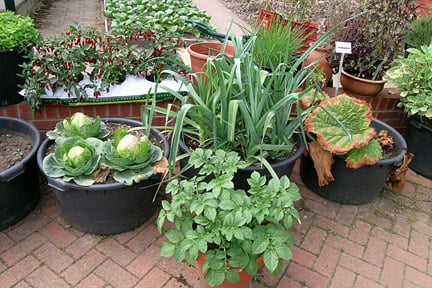
Growing vegetables in containers, also known as container gardening, has become increasingly popular in recent years. With a little creativity and the right knowledge, anyone can start growing their own delicious vegetables.
Why Grow Vegetables in Containers?
There are several reasons why growing vegetables in containers is a great idea:
- Freshness: When you grow your own vegetables, you get to enjoy them at their freshest possible state.
- Convenience: Container gardening allows you to grow a variety of vegetables, even with limited space.
- Cost-effective: You don’t need to purchase expensive greenhouse equipment or hire a gardener. Plus, it’s a great way to reduce your carbon footprint.
What Vegetables Can Be Grown in Containers?
While most people think of tomatoes and lettuce when they hear container gardening, the possibilities are endless! Here are some popular vegetables that can be grown in containers:
- Leafy greens: Lettuce, spinach, kale, collard greens
- Cruciferous veggies: Broccoli, cauliflower, cabbage, Brussels sprouts
- Root vegetables: Carrots, beets, radishes, turnips
- Peppers: Bell peppers, jalapenos, Anaheim peppers
- Cucumbers
- Zucchini and summer squash
- Herbs: Basil, cilantro, parsley, rosemary
Choosing the Right Container
When it comes to choosing a container for your vegetables, there are several factors to consider:
- Size: Make sure the container is large enough to hold at least 1-2 gallons of soil.
- Material: Choose containers made from durable materials like plastic, ceramic, or terracotta.
- Drainage: Ensure the container has proper drainage holes to prevent waterlogged soil.
Preparing the Soil
Before you start planting your vegetables, you need to prepare the soil. Here are some tips:
- Use a good quality potting mix: A well-draining potting mix is essential for healthy plant growth.
- Add fertilizer: Use a balanced fertilizer to provide nutrients for your plants.
Tips for Successful Container Gardening
- Water wisely: Overwatering can be just as detrimental as underwatering. Make sure the soil is moist but not waterlogged.
- Provide adequate sunlight: Most vegetables require at least 6 hours of direct sunlight per day.
- Keep it clean: Regularly clean out dead plant material and pests to prevent disease.
Common Mistakes to Avoid
- Not enough sunlight: Make sure your container garden is in a spot that receives sufficient sunlight.
- Inadequate drainage: Ensure the container has proper drainage holes to prevent waterlogged soil.
- Overwatering: Be careful not to overwater, as this can lead to root rot and other problems.
How to Care for Your Container Garden
- Fertilize regularly: Use a balanced fertilizer to provide nutrients for your plants.
- Prune regularly: Pruning helps control the size of the plant and promotes healthy growth.
- Monitor for pests and diseases: Regularly inspect your container garden for signs of pests or disease, and take action promptly if necessary.
Conclusion
Growing vegetables in containers is a fun and rewarding experience. With the right knowledge and materials, you can enjoy fresh, healthy produce right in your own home or backyard. Whether you’re a seasoned gardener or just starting out, container gardening is an excellent way to get started.
Frequently Asked Questions
- Q: What are some common vegetables that can be grown in containers?
A: Leafy greens, cruciferous veggies, root vegetables, peppers, cucumbers, zucchini and summer squash, and herbs. - Q: What is the ideal size for a container garden?
A: At least 1-2 gallons of soil per container. - Q: How often should I water my container garden?
A: Check the soil daily, and water when it feels dry to the touch.


