
Introduction
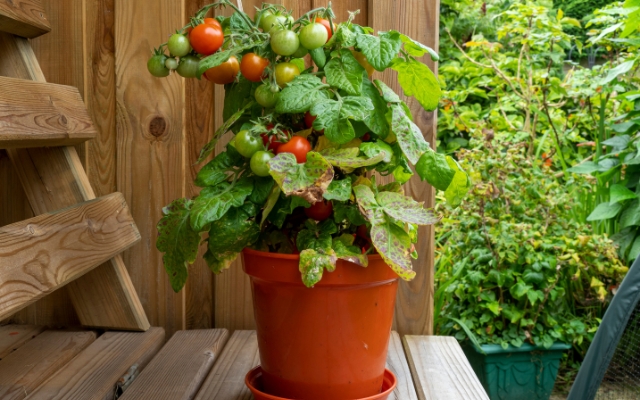
Growing tomatoes in a container is a great way to enjoy fresh, homegrown produce while saving space and time. With the right techniques and materials, you can successfully cultivate delicious tomatoes on your balcony, patio, or indoors. In this article, we’ll provide you with everything you need to know to start growing tomatoes in a container.
Choosing the Right Variety
When it comes to growing tomatoes in a container, it’s essential to choose a variety that is well-suited for container gardening. There are two main types of tomato varieties: indeterminate and determinate. Indeterminate tomatoes are vining plants that require support and are best grown in larger containers or in full sun. Determinate tomatoes, on the other hand, are bushy plants that grow to a certain height and can thrive in smaller containers.
For container gardening, we recommend growing determinate tomato varieties, such as ‘Patio’ or ‘Tiny Tim’. These varieties are compact, produce fewer seeds, and require less support.
Getting Started
Before you begin, make sure you have the following materials:
- A container with good drainage (at least 12 inches deep)
- Potting mix specifically designed for containers
- Tomato seedlings or seeds
- Fertilizer
- Support system (e.g., tomato cage or trellis)
The best time to start growing tomatoes in a container is in late spring, when the soil has warmed up and the danger of frost has passed.
Preparing the Container
To prepare your container for planting, follow these steps:
- Fill the container with potting mix, leaving about 2-3 inches at the top for watering.
- Plant the tomato seedling or seeds in the container, making sure the soil level is the same as it was in the nursery.
- Water thoroughly and provide support if necessary.
Watering and Irrigation
Tomatoes need consistent moisture to grow well. Make sure to water your container regularly, but avoid overwatering. Use a drip irrigation system or soaker hose to deliver water directly to the roots of the plant.
To conserve water, consider using a self-watering container or a watering globe. These devices release water slowly as needed, reducing evaporation and runoff.
Fertilizing
Fertilization is crucial for healthy tomato growth. Use a balanced fertilizer that contains nitrogen, phosphorus, and potassium (NPK). A good quality fertilizer should have the following nutrients:
- Nitrogen: 8%
- Phosphorus: 5%
- Potassium: 6%
- Calcium: 15%
- Manganese: 5%
- Magnesium: 6.5%
Apply the fertilizer according to the manufacturer’s instructions, usually once a month.
Pruning and Training
To promote healthy growth and fruiting, prune your tomato plant regularly:
- Remove lower leaves to prevent fungal diseases.
- Train the plant to grow up a support system or trellis.
- Pinch off suckers (shoots that grow between the main stem and a branch) to direct energy towards fruit production.
Common Issues and Solutions
- Pests: Check for pests like hornworms, aphids, and whiteflies. Use organic pest control methods whenever possible.
- Diseases: Inspect your plants regularly for signs of disease like yellowing leaves or fungal growth. Treat promptly with fungicides if necessary.
Repotting
Tomatoes are heavy feeders and require regular repotting to maintain soil fertility and prevent nutrient depletion. Repot your tomato plant every 2-3 months during the growing season, using a container that is only one size larger than the previous one.
Pollination
Tomato plants rely on pollinators like bees and butterflies for fruit set. To encourage pollination, place your container near a sunny window or under a grow light, and consider using a small fan to mimic breezes.
Common Tomato Diseases
- Early Blight: Characterized by yellowing leaves with brown spots.
- Septoria Leaf Spot: Results in small, dark spots on the underside of leaves.
- Bacterial Canker: Caused by bacterial infection that leads to black or brown lesions.
Tomato Fertilization
Fertilize your tomato plant every 2-4 weeks during the growing season. Avoid overfertilizing, as this can damage the roots and lead to nutrient deficiencies.
Pruning Techniques
Regular pruning helps control disease and promotes fruiting:
- Remove lower leaves to prevent fungal diseases.
- Train the plant to grow up a support system or trellis.
- Pinch off suckers (shoots that grow between the main stem and a branch) to direct energy towards fruit production.
Companion Planting
Some plants can help deter pests, attract pollinators, or improve soil health when grown alongside tomatoes:
- Basil: Repels aphids and other pests.
- Chives: Attracts beneficial insects like lacewings.
- Marigold: Repels nematodes and other pests.
Container Size
Choose a container that is at least 12 inches deep to accommodate the root system of your tomato plant. A larger container provides better support for indeterminate varieties.
Support Systems
Use stakes, cages, or trellises to provide structural support for your tomato plant as it grows:
- Tomato Cages: Lightweight and easy to set up.
- Trellises: Support multiple plants while providing shade and soil aeration.
- Stakes: Simple and inexpensive.
Tips and Tricks
- Water your tomatoes in the morning or evening to prevent fungal diseases.
- Mulch around the base of your tomato plant to retain moisture and suppress weeds.
- Monitor temperature, humidity, and light levels to create an optimal environment for growth.
Conclusion
Growing tomatoes in a container is a rewarding experience that requires minimal space and effort. By choosing the right variety, preparing the container, watering and fertilizing correctly, pruning regularly, and addressing common issues, you can enjoy delicious homegrown tomatoes all season long.
Whether you’re a seasoned gardener or a beginner, this comprehensive guide has provided you with everything you need to know to grow healthy, productive tomato plants in containers. With practice and patience, you’ll be enjoying fresh, juicy tomatoes in no time!


