
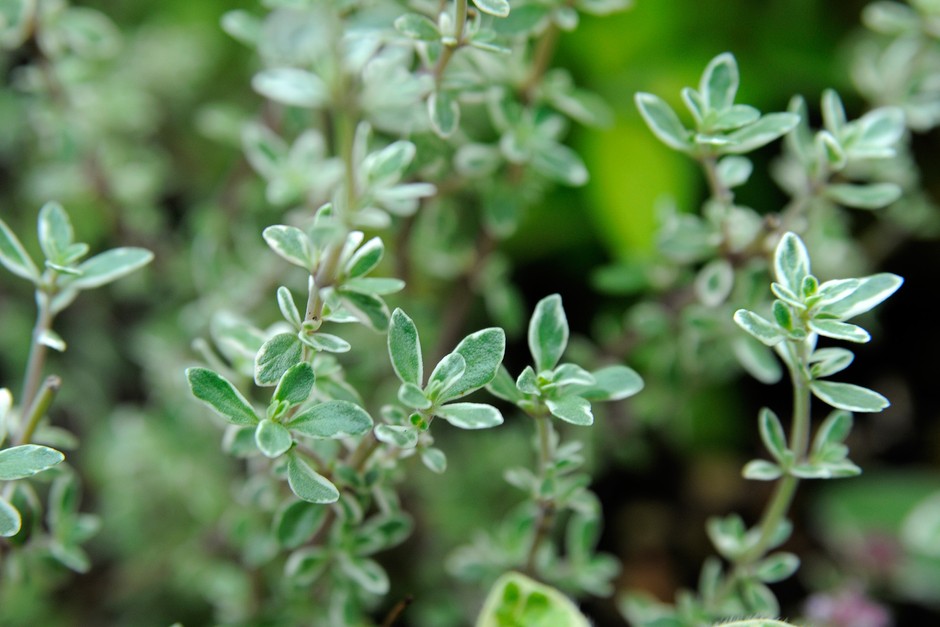
Thyme is a versatile and aromatic herb that can be grown in various settings, including indoors, on balconies, or in full outdoor gardens. Not only does it add flavor to our dishes, but it also brings ambiance and fragrance to the environment.
The Many Uses of Thyme
Beyond its culinary applications, thyme has been prized for centuries for its antiseptic and disinfectant properties. This multifaceted herb is a testament to nature’s ability to provide us with remedies and solutions that are both effective and sustainable.
Thyme has a variety of uses in cooking and medicine, making it an incredibly versatile plant. It can be used as a seasoning for meats, vegetables, soups, and sauces. Additionally, thyme has antiseptic properties that make it useful for treating wounds and skin conditions. The essential oils found in thyme have also been shown to have antibacterial and anti-inflammatory effects.
Thyme is often associated with Mediterranean cuisine, but its uses extend far beyond the kitchen. In traditional medicine, thyme has been used to treat a range of ailments, from colds and flu to digestive issues. The herb’s antiseptic properties make it an effective treatment for minor cuts and scrapes.
In addition to its culinary and medicinal uses, thyme also has a number of other benefits. It is a natural insect repellent and can be used to keep pests away from gardens and homes. Thyme is also a popular choice for herbal teas, which are believed to have various health benefits.
Getting Started with Thyme Cultivation
To begin cultivating thyme, you can start by using either a cutting or a seed. If you choose to use cuttings, the best time for this process is during the spring season. For seed-starting, it’s recommended to begin in late June or early August, with the goal of transplanting during the fall.
When starting from cuttings, make sure to take healthy and disease-free stems from mature thyme plants. Cut the stem just above a node (where a leaf meets the stem), and then plant the cutting in well-draining soil. Keep the soil consistently moist until roots develop.
If you prefer to start from seeds, prepare a pot with a deep layer of soft soil. Plant the seeds about 2-3 times deeper than their original size, and cover the pot with clear plastic wrap to trap heat and moisture. Allow for 15-20 days for germination, followed by regular watering and fertilization.
Choosing the Right Method
For those who don’t have much patience, starting with cuttings might be a better option. Cutting back on waiting time can be quite appealing! However, for those willing to plant seeds, it’s recommended to start in late June or early August, and then wait until the fall season before transplanting.
Thyme is a low-maintenance herb that can thrive in a variety of environments. It prefers well-draining soil and full sun to partial shade. Thyme is also relatively drought-tolerant, making it an excellent choice for areas with limited water supply.
Thyme’s Environmental Requirements
One of thyme’s most significant needs is sunlight, which it thrives under. As an herb that enjoys warmth and light, thyme can add a touch of elegance and fragrance to any setting where it’s grown.
Thyme requires minimal care and maintenance, making it an excellent choice for busy gardeners or those new to gardening. The plant is relatively pest- and disease-free, requiring only occasional pruning to maintain its shape and promote healthy growth.
Growing Thyme in Pots
For those who prefer growing their herbs indoors or on balconies, pots are the perfect solution. When using pots, you’ll want to choose shallow containers with wide bases that allow for horizontal growth. An old aluminum pan or terracotta pot works perfectly for this purpose.
To grow thyme in a pot, fill the container with well-draining soil and plant the cutting or seedling. Water regularly, but avoid overwatering, which can lead to root rot and other problems. Place the pot in a sunny location and fertilize sparingly until the plant becomes established.
Thyme Cultivation Tips
When cultivating thyme, keep in mind that it doesn’t grow very tall but instead spreads horizontally. By following these guidelines, you’ll be able to successfully cultivate your own thyme:
- Use a general-purpose soil mix.
- Choose containers with good drainage.
- Place thyme in well-lit areas.
- Water regularly, but avoid overwatering.
- Fertilize sparingly until the plant becomes established.
Sowing Thyme Seeds
If you prefer starting from seeds, you can follow the steps outlined below. After sowing, keep the soil consistently moist and warm until germination occurs:
- Prepare a pot with a deep layer of soft soil.
- Plant the seeds about 2-3 times deeper than their original size.
- Cover the pot with clear plastic wrap to trap heat and moisture.
- Allow for 15-20 days for germination, followed by regular watering and fertilization.
Harvesting Thyme
Thyme is a perennial herb that can be harvested throughout the growing season. Pinch off individual stems or leaves as needed, making sure not to damage the plant’s growth.
To harvest thyme regularly without harming it, follow these guidelines:
- Pinch off individual stems or leaves as needed.
- Leave enough foliage for the plant to continue growing and producing new growth.
- Harvest in the morning, after dew has dried but before the heat of the day.
Conclusion
Growing thyme is a simple yet rewarding process that can be enjoyed by anyone. By following these guidelines, you’ll be able to successfully cultivate this fragrant herb in your own home or garden.
Thyme is an incredibly versatile plant with a range of uses in cooking, medicine, and beyond. With its low-maintenance requirements and fragrant aroma, thyme is an excellent addition to any garden or indoor space.
Whether you’re a seasoned gardener or just starting out, cultivating thyme is a great way to add some greenery and fragrance to your life. So why not give it a try? With the right care and attention, you can enjoy the many benefits of this wonderful herb for years to come.
Frequently Asked Questions: Growing Thyme
- How long does it take for thyme seeds to germinate?
15-20 days. - Can I grow thyme indoors or outdoors?
Both options are viable, depending on the environment and desired outcome. - What is the best time of year to plant thyme seeds?
Late June or early August for optimal growth in the fall. - How often should I water my thyme plant?
Regular watering is necessary for successful cultivation. - Can I harvest thyme regularly without harming it?
Harvesting thyme can be done sparingly, making sure not to harm the plant’s growth.


