
Growing table grapes is a rewarding experience that requires careful planning, attention to detail, and a little bit of patience. From choosing the right variety to providing proper care and maintenance, we’ll cover everything you need to know to grow delicious and healthy table grapes in your own backyard.
Understanding Table Grapes
Before we dive into the nitty-gritty of growing table grapes, it’s essential to understand what makes them special. Table grapes are a type of grape grown for fresh consumption, rather than wine or juice production. They’re typically smaller, sweeter, and have thicker skins than wine grapes.
Choosing the Right Variety
When selecting a table grape variety, consider your region’s climate, soil type, and available sunlight. Different varieties thrive in different conditions, so it’s crucial to choose one that suits your specific needs. Consult with local nurseries, gardening experts, or online resources to find the perfect variety for your area.
Preparing Your Soil
Before planting, prepare your soil by mixing in organic matter like compost or manure. This will help improve drainage, fertility, and overall soil health. If you have heavy clay or sandy soils, consider adding amendments to achieve a balance of nutrients and structure.
Planting Your Vines
When planting your table grape vines, choose a location with full sun (at least 6 hours of direct sunlight) and well-draining soil. Plant the vine in the early spring or fall, when the weather is cooler, to minimize stress on the plant. Dig a hole twice as wide and just as deep as the root ball, and gently remove the vine from its container.
Pruning Your Vines
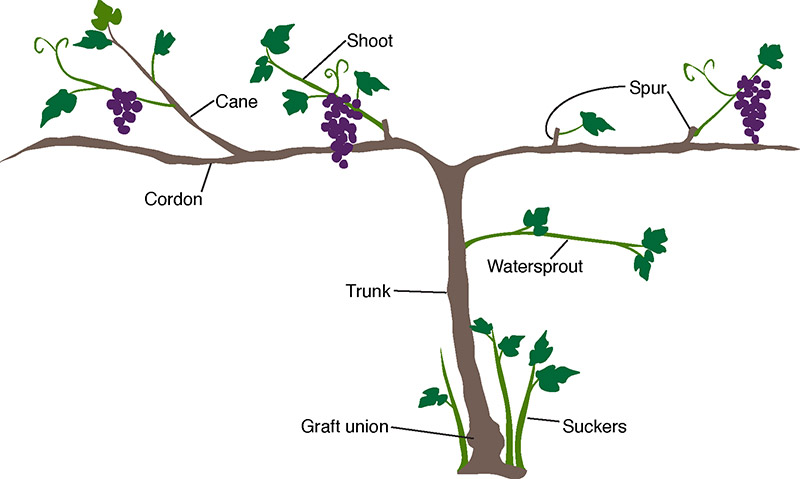
Pruning your table grape vines is an essential part of their care. Prune in late winter or early spring, removing dead, diseased, or damaged wood to promote healthy growth and fruit production. Use proper pruning techniques to maintain a balanced structure and encourage fruiting branches.
Watering Your Vines
Watering your table grape vines regularly is crucial, especially during the first year after planting. Aim for about 1 inch of water per week, either from rainfall or irrigation. Avoid overwatering, which can lead to root rot and other problems.
Thinning Your Fruit
As your grapes begin to grow, thin them out to encourage proper fruit development and prevent overcrowding. Remove any weak or damaged grapes to promote healthy growth and reduce the risk of disease.
Protecting Your Vines from Pests and Diseases
Table grape vines are susceptible to various pests and diseases, such as aphids, spider mites, powdery mildew, and botrytis bunch rot. Use integrated pest management techniques, including cultural practices like pruning and sanitation, as well as organic or chemical controls as needed.
Harvesting Your Grapes
Table grapes are typically ready for harvest in late summer to early fall, depending on the variety. Check for ripeness by gently tugging on the grape; if it comes off the vine easily, it’s ready to eat.
Common Challenges and Solutions
- Pests: Aphids, spider mites, and other pests can damage your vines. Use neem oil or insecticidal soap to control infestations.
- Diseases: Powdery mildew and botrytis bunch rot can cause significant damage. Practice good sanitation, remove infected grapes, and use fungicides as needed.
- Nutrient deficiencies: Monitor your soil’s nutrient levels regularly and fertilize as necessary.
Growing Table Grapes in Containers
If you don’t have space for a full-fledged vineyard, consider growing table grapes in containers. Choose a container that’s at least 12-18 inches deep to accommodate the root system. Use a well-draining potting mix and follow proper pruning and watering techniques.
Tips for Success
- Provide support: Table grape vines need support as they grow. Use trellises, arbors, or stakes to keep them upright and promote healthy growth.
- Monitor weather conditions: Keep an eye on temperature fluctuations, wind, and precipitation to ensure your vines receive the right amount of care.
Growing table grapes is a rewarding experience that requires dedication and attention to detail. By following these guidelines, you’ll be well on your way to growing delicious and healthy table grapes in your own backyard.
Variety Selection for Different Regions
- Warm climates: Select varieties like ‘Thompson Seedless’, ‘Flame Seedless’, or ‘Red Globe’ that are resistant to heat stress.
- Cool climates: Opt for varieties like ‘Concord’, ‘Niagara’, or ‘Frontenac’ that are more cold-hardy.
Soil pH and Nutrient Requirements
Table grapes prefer a slightly acidic soil pH (around 6.0-7.0). Regularly test your soil to determine its nutrient levels, and fertilize as necessary to maintain optimal growth.
Pest Management Strategies
- Integrated Pest Management (IPM): Use a combination of cultural practices, biological controls, and chemical controls to manage pests.
- Organic controls: Utilize neem oil, insecticidal soap, or horticultural oil to control aphids, spider mites, and other pests.
Common Diseases and Their Management
- Powdery mildew: Remove infected leaves, improve air circulation, and use fungicides as needed.
- Botrytis bunch rot: Remove infected grapes, practice good sanitation, and use fungicides to prevent the spread of disease.
Growing table grapes is a rewarding experience that requires careful planning and attention to detail. By understanding the specific needs of your plants and using evidence-based techniques, you can enjoy a bountiful harvest of delicious and healthy table grapes in your own backyard.


