
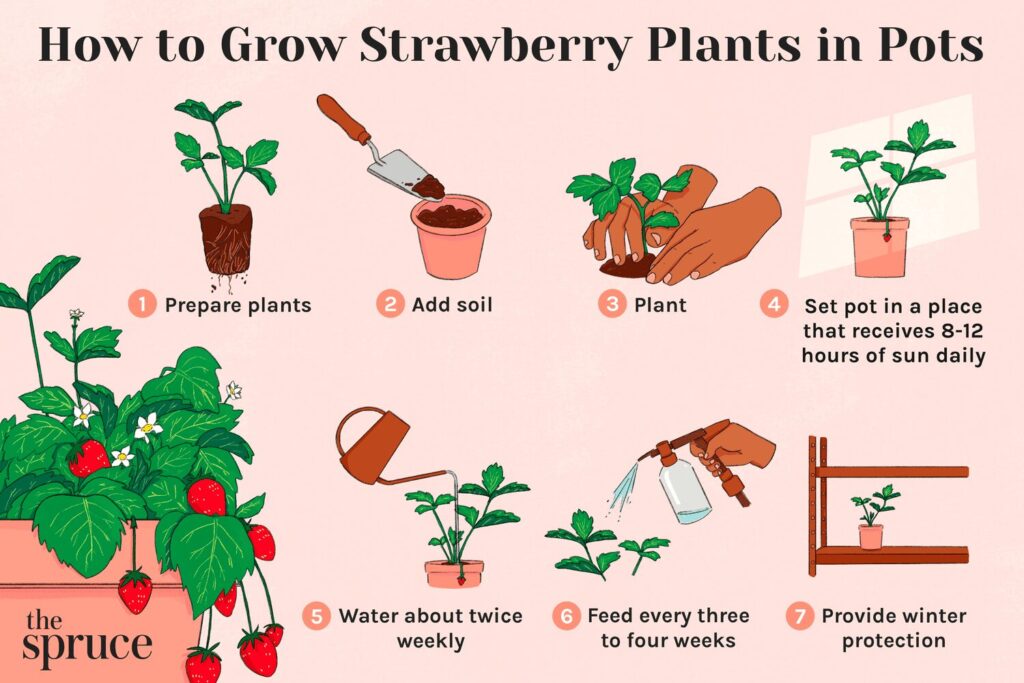
Why Grow Strawberries?
Strawberries are a delightful addition to any garden or indoor space. Not only are they visually appealing, but they’re also easy to care for and produce delicious fruit. With only 30 calories per 100 grams of fruit, strawberries are an excellent choice for those looking to reduce their caloric intake.
In recent years, strawberry cultivation has become increasingly popular due to its numerous health benefits and versatility in various recipes. Strawberries are rich in vitamin C, potassium, and antioxidants, making them a nutritious addition to any diet. They can be enjoyed fresh, frozen, or dried, and are a great source of fiber and energy.
Choosing the Right Variety
There are over 600 varieties of strawberries, each with its unique characteristics. When selecting a variety, consider whether you prefer fragola unifere (single-producing) or rifiorenti (ever-bearing). Fragola unifere produce fruit only once a year in spring, while fragola rifiorenti produce multiple crops throughout the growing season.
Why Choose Fragola Rifiorenti?
Many enthusiasts swear by fragola rifiorenti for their sweet and flavorful fruit. However, it’s essential to remember that personal taste plays a significant role. Feel free to experiment with both varieties to determine which one suits your preferences best.
When choosing fragola rifiorenti, look for the following characteristics:
- Disease resistance: Fragola rifiorenti varieties such as ‘Albion’ and ‘Everbearing’ are known for their excellent disease resistance.
- Flavor profile: Some popular fragola rifiorenti varieties have a sweeter flavor profile than others, making them suitable for eating fresh or using in baking.
- Growth habit: Fragola rifiorenti plants can grow quite tall (up to 30 cm), so ensure you provide sufficient support to prevent plant collapse.
Acquiring Strawberry Seeds or Plants
To start growing strawberries, you can either purchase seeds or young plants from a nursery. If you’re on a budget or want to maximize production, consider buying a bustina (small packet) of strawberry seeds.
Best Time to Plant Strawberries
The ideal time to plant strawberries depends on your location and climate. In general, spring is the best time to plant strawberries in temperate climates. Some varieties can be planted as late as summer for an early harvest the following year.
In regions with mild winters, you can plant strawberry seedlings outdoors in late winter or early spring, about 6-8 weeks before the last frost date.
Sowing Strawberry Seeds
To sow strawberry seeds, create a sunny environment with good air circulation. Use a fertile potting mix and keep it consistently moist. Place the seeds in a box or tray and maintain a temperature between 22-24°C (72-75°F). Within 10 days, the seeds should germinate.
Tips for Sowing Strawberry Seeds
- Use a clear plastic bag: Covering the seedlings with a clear plastic bag can help create humidity and promote germination.
- Maintain high humidity: Use a humidifier or cover the pot with a damp cloth to maintain high humidity levels.
- Provide adequate light: Ensure the seeds receive sufficient light, but avoid direct sunlight, which can cause overheating.
Pruning and Training Strawberries
After sowing the seeds, thin out the seedlings to promote healthy growth. You can also plant strawberry seedlings in pots or containers for easier management. When your plants have produced 4-5 leaves, it’s time to transplant them into their final location.
When pruning and training strawberries:
- Remove lower leaves: Remove any lower leaves that will be buried by the soil to prevent rot.
- Train the runners: Train the runners (long stems with leaves) upwards using a stake or trellis to promote vertical growth.
Growing Strawberries in Pots vs. Outdoor Beds
To grow strawberries in pots or outdoor beds, ensure the soil is well-draining and rich in organic matter. Use a sanded, limy potting mix with a pH between 5.5-6.5. Water thoroughly after transplanting, making sure not to get water on the leaves or fruit.
Pots and Containers: Benefits and Considerations
Growing strawberries in pots has several benefits:
- Improved soil quality: Pots allow for better control over soil composition and fertility.
- Reduced risk of pests: Container-grown strawberries are less susceptible to pests, such as slugs and snails.
- Increased flexibility: Move the plants to a different location or bring them indoors during harsh weather conditions.
However, there are also some considerations:
- Limited root depth: Strawberries have shallow roots, which can limit their growth in pots.
- Requires regular watering: Container-grown strawberries require more frequent watering due to reduced soil volume.
Outdoor Beds: Benefits and Considerations
Growing strawberries outdoors offers several benefits:
- Better air circulation: Outdoor beds provide better air circulation, reducing the risk of fungal diseases.
- Improved soil structure: Outdoor beds allow for better soil structure development over time.
- Increased yields: Strawberries grown in outdoor beds often produce more fruit due to optimal growing conditions.
However, there are also some considerations:
- Risk of pests and diseases: Outdoor-grown strawberries are more susceptible to pests and diseases.
- Weed competition: Outdoor beds can be prone to weed competition, which may reduce strawberry yields.
Harvesting Strawberries
When harvesting strawberries, choose ripe berries by gently tugging on them. Avoid squeezing the fruit too hard, as this can damage the plant. Enjoy your delicious homegrown strawberries!
Tips for Harvesting Strawberries
- Pick at the right time: Pick strawberries when they are fully red and slightly soft to the touch.
- Use a clean basket or container: Use a clean basket or container to collect the fruit to prevent contamination.
Conclusion
Growing strawberries is an enjoyable and rewarding experience that offers numerous benefits. With proper care and attention, you’ll be enjoying fresh, juicy strawberries in no time. By choosing the right variety, understanding the best time to plant, and providing optimal growing conditions, you can enjoy a bountiful strawberry harvest.
Frequently Asked Questions (FAQs)
-
What is the best way to propagate strawberries?
Answer: You can either purchase strawberry plants or seeds from a nursery or online supplier. -
Can I grow strawberries in containers indoors?
Answer: Yes, strawberries can thrive in pots and containers indoors, but ensure they receive sufficient light and warmth. -
How often should I water my strawberry plants?
Answer: Water your strawberry plants when the top 1-2 inches of soil feel dry to the touch. Avoid overwatering, as this can lead to root rot. -
Can I grow strawberries in cold climates?
Answer: Yes, but choose varieties that are specifically bred for cold climates and provide protection during harsh winter conditions. -
How long does it take for strawberry plants to produce fruit?
Answer: The time to harvest strawberries depends on the variety; some may produce fruit within 60 days of planting, while others may take up to 120 days. -
Can I grow multiple varieties of strawberries in the same bed?
Answer: Yes, but ensure you provide separate areas for each variety to prevent cross-pollination and potential disease transmission. -
What is the best way to store strawberry plants during winter?
Answer: Bring your strawberry plants indoors or mulch them well to protect from frost damage. Cut back the foliage by about one-third to simulate winter dormancy. -
Can I grow strawberries in a greenhouse?
Answer: Yes, strawberries can thrive in greenhouses with controlled temperature and humidity levels, providing optimal growing conditions.


