
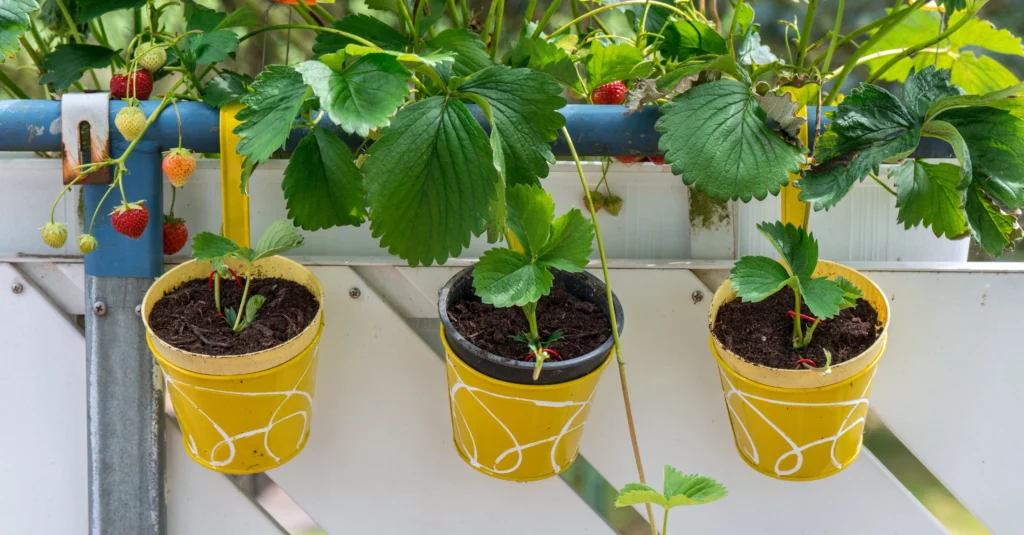
As a gardener, you’re likely no stranger to the idea of growing your own fruits and vegetables in pots. But have you ever considered cultivating strawberries on your balcony? Not only are they a delicious addition to any meal, but they also offer numerous health benefits.
In this article, we’ll explore the ins and outs of growing strawberries on your balcony, from choosing the right equipment to providing the perfect care for these delicate plants.
Why Grow Strawberries on Your Balcony?
Before we dive into the nitty-gritty of strawberry cultivation, let’s talk about why they’re such a great choice for balconies. Unlike other fruits and veggies that require large spaces or specific growing conditions, strawberries are surprisingly adaptable to even the smallest balconies.
Here are just a few reasons why you should consider growing strawberries on your balcony:
- They’re rich in antioxidants and vitamins C and K: Strawberries contain high amounts of vitamin C, which is essential for immune function and collagen production. They also contain vitamin K, which plays a crucial role in blood clotting.
- They contain anti-inflammatory compounds: Strawberries are rich in flavonoids, which have been shown to reduce inflammation and improve heart health.
- They’re relatively low-maintenance compared to other fruits and veggies: Unlike plants like tomatoes or cucumbers, strawberries don’t require a lot of pruning or training. They also don’t need to be watered as frequently.
Choosing the Right Equipment
To get started with growing strawberries on your balcony, you’ll need a few pieces of equipment. Here are some essentials to keep in mind:
- A container: You can use a pot, basket, or even a wooden planter to hold your strawberry plants.
- Soil: Choose a high-quality potting soil that’s specifically designed for containers. Look for soil with good drainage and a pH between 5.5 and 6.5.
- Strawberry plants: You’ll need to purchase strawberry plants from a nursery or online retailer. Look for varieties that are compact, disease-resistant, and suitable for your climate.
Planting Your Strawberries
Now that you have all the necessary equipment, it’s time to plant your strawberries! Here are some tips to keep in mind:
- Choose a location with partial shade to full sun: Strawberries prefer at least six hours of direct sunlight per day. However, they can tolerate partial shade if that’s what your balcony offers.
- Plant your strawberries about 12-18 inches apart from each other: This will give them enough room to spread out and produce plenty of fruit.
- Water thoroughly after planting and keep the soil consistently moist: Strawberries need consistent moisture, especially when they’re producing fruit. However, be careful not to overwater, as this can lead to root rot.
Caring for Your Strawberries
Once you’ve planted your strawberries, it’s time to focus on providing them with the right care. Here are some tips to keep in mind:
- Keep the soil consistently moist but not waterlogged: Strawberries need consistent moisture, but they don’t like standing water. Check the soil daily and water only when it feels dry to the touch.
- Fertilize your strawberries regularly with a balanced fertilizer: Feed your strawberry plants with a balanced fertilizer (such as 10-10-10 NPK) every two weeks during the growing season.
- Prune your strawberry plants regularly to encourage new growth and prevent disease: Remove any dead or diseased leaves or stems, and trim back overgrown runners.
Common Problems and Solutions
While growing strawberries on your balcony is relatively easy, there are a few common problems to watch out for. Here are some solutions to keep in mind:
- Pests: Keep an eye out for pests like aphids, whiteflies, and spider mites. Use organic pest control methods whenever possible.
- Diseases: Regularly inspect your plants for signs of disease like fungal infections or leaf spot. Treat promptly if you notice any issues.
Conclusion
Growing strawberries on your balcony is easier than you might think. By choosing the right equipment, planting at the right time, and providing proper care, you can enjoy a bountiful harvest of delicious, nutritious strawberries all summer long!
With these tips and tricks under your belt, you’ll be well on your way to becoming a strawberry expert! Happy gardening
FAQs:
- What type of soil should I use for my strawberry plants?
Look for a high-quality potting soil that’s specifically designed for containers. Avoid using garden soil from your yard, as it can compact and prevent proper drainage. - How often should I water my strawberry plants?
Water your strawberry plants consistently but avoid overwatering. Check the soil daily to ensure it feels dry to the touch before watering again. - Can I grow strawberries in full sun or partial shade?
Strawberries can tolerate both full sun and partial shade, but they’ll produce more fruit in cooler temperatures.
A Closer Look at the History of Strawberry Cultivation
While strawberries have been enjoyed for centuries, their cultivation has a fascinating history that spans thousands of years. From ancient Greece to modern-day breeding programs, strawberry cultivation has come a long way!
Did you know that the wild strawberry, Fragaria vesca, was first domesticated in Europe over 1,000 years ago? Today, there are hundreds of different varieties of strawberries, each with its own unique characteristics and growing conditions.
Strawberry Varieties for Balcony Gardening
When it comes to choosing the right strawberry variety for your balcony, there are several options to consider. Here are a few popular choices:
- Albion: A hybrid variety that produces large, sweet fruits.
- Earliglow: An early-producing variety that’s perfect for small spaces.
- Seascape: A compact variety that produces delicious, disease-resistant fruits.
Growing Strawberries in Containers: Tips and Tricks
Growing strawberries in containers can be a bit more challenging than growing them directly in the ground. However, with the right techniques and equipment, you can still enjoy a bountiful harvest of delicious strawberries!
Here are some tips to keep in mind when growing strawberries in containers:
- Choose a container that’s at least 6-8 inches deep: Strawberries have a deep root system, so they need enough room to grow.
- Use a well-draining potting mix: Avoid using garden soil from your yard, as it can compact and prevent proper drainage.
- Water regularly but avoid overwatering: Check the soil daily to ensure it feels dry to the touch before watering again.
Common Mistakes to Avoid When Growing Strawberries
While growing strawberries is relatively easy, there are a few common mistakes to watch out for. Here are some solutions to keep in mind:
- Don’t overcrowd your strawberry plants: Plant them about 12-18 inches apart from each other to give them enough room to spread out.
- Avoid overfertilizing: Feed your strawberry plants with a balanced fertilizer (such as 10-10-10 NPK) every two weeks during the growing season. Avoid using high-nitrogen fertilizers, as these can promote weak growth and fewer fruits.
Conclusion
Growing strawberries on your balcony is a great way to add some color and flavor to your outdoor space. By choosing the right equipment, planting at the right time, and providing proper care, you can enjoy a bountiful harvest of delicious, nutritious strawberries all summer long!
With these tips and tricks under your belt, you’ll be well on your way to becoming a strawberry expert! Happy gardening


