
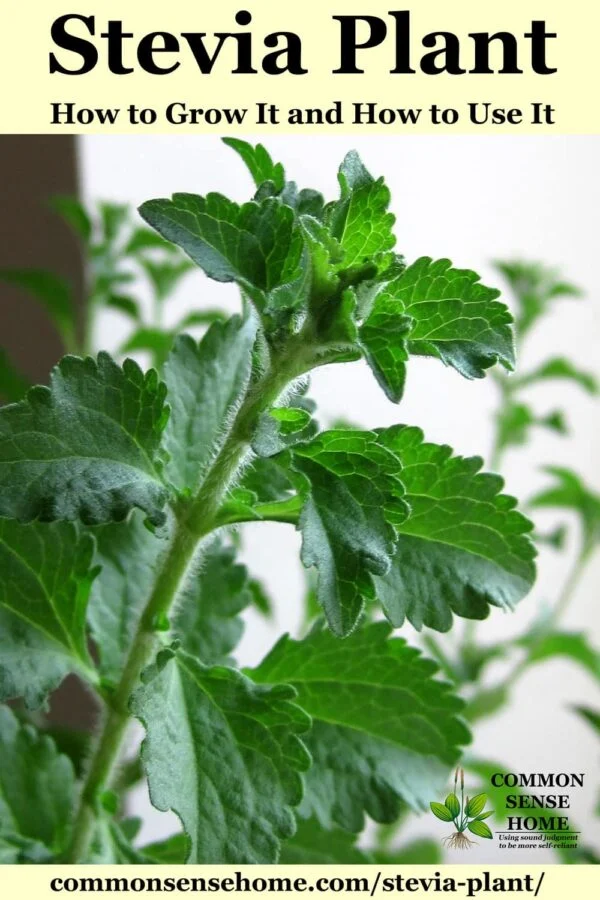
As a perennial herb native to South America, stevia is highly valued for its sweetening properties. It can be cultivated in Italy with a few tips and tricks. Even if you’re not familiar with using stevia in your recipes, I’ll guide you through the basics of growing stevia, how to use it, and provide some delicious recipes to get you started.
Content
- Characteristics of Stevia
- Growing Stevia
- Using Stevia
- Where to Buy Stevia
Characteristics of Stevia
Stevia, also known as Stevia rebaudiana, is a shrub-like plant that grows up to 110 cm tall. Its leaves are green, shiny, and seghettated on the edges. When consumed, the stevolo compound gives it a sweet taste without the need for refined sugars. This natural sweetener has numerous benefits, including being calorie-free and safe for people with diabetes.
The stevolo compound is also effective in sweetening food without affecting blood sugar levels or insulin sensitivity. By learning how to grow stevia, you can harvest its leaves and create your own natural sweetener at home.
Stevia is a highly adaptable plant that can thrive in various environments, from tropical climates to temperate regions with mild winters. It’s also an excellent choice for container gardens, as it doesn’t require extensive space.
In addition to its culinary benefits, stevia has been used in traditional medicine for centuries to treat various health issues, including digestive problems and skin conditions. Its leaves contain a unique combination of compounds that give them antiseptic, anti-inflammatory, and antioxidant properties.
Growing Stevia
Stevia can be grown indoors in a container, making it an ideal choice for small spaces. To cultivate stevia, choose a well-draining potting mix and place the plant in a sunny location with minimal wind exposure. Avoid direct sunlight during the hottest part of the day, as this can cause dehydration.
In colder climates, bring the potted stevia indoors during winter or use protection to shield it from frost. In temperate climates, you can transplant the stevia into a larger container or directly into the ground in late spring.
To ensure optimal growth, provide the stevia with regular watering, proper fertilization, and pruning to maintain its shape. Remove any dead leaves and flowers to promote new growth.
Here are some specific growing tips for indoor and outdoor cultivation:
- Indoor Growing: Stevia requires a bright, sunny location with temperatures between 18°C and 25°C (64°F to 77°F). Watering should be moderate, avoiding overwatering that can lead to root rot.
- Outdoor Growing: In temperate climates, plant stevia in a spot with full sun and well-draining soil. Fertilize regularly during the growing season, taking care not to overfertilize.
In colder climates, stevia may require additional protection from frost. You can cover the plant with a breathable cloth or bring it indoors for the winter months. In regions with mild winters, you can transplant the stevia directly into the ground in late spring.
Using Stevia
Using stevia as a natural sweetener is not only good for your health but also reduces your reliance on refined sugars. You can substitute stevia for sugar in various recipes, from baked goods to beverages.
Here’s a simple recipe for a delicious chocolate cake using stevia:
Ingredients:
- 130 g dark chocolate (70% cocoa)
- 120 g all-purpose flour
- 200 g ricotta cheese
- 70 g butter or 80 g oil
- 3 large eggs
- 75 g stevia powder
- 1 teaspoon vanilla extract
Combine the chocolate and butter, then add the flour, ricotta, eggs, stevia, and vanilla extract. Mix well and pour into a greased cake pan. Bake at 170°C for 30-40 minutes.
Feel free to experiment with different recipes using stevia as a sweetener!
Stevia can be used in various forms, including powder, liquid extract, and whole leaves. When using stevia as a sweetener, it’s essential to note the following:
- Start with small amounts: Stevia is 200-300 times sweeter than sugar, so start with small amounts and adjust to taste.
- Balance flavors: Combine stevia with other ingredients to balance its sweetness and enhance flavor profiles.
Where to Buy Stevia
If you prefer to buy pre-made stevia products or seeds, visit your local gardening store or online retailers like Amazon. For example, the most popular and highly-rated stevia powder on Amazon is produced by Eridania, an Italian company with over 300 positive reviews and a rating of 4.5/5 stars.
This powder comes in 180-serving bottles as a reliable alternative to sugar. Check out this image of the product packaging.
Frequently Asked Questions (FAQs)
- Q: Can I grow stevia indoors?
A: Yes, stevia can be grown indoors in a container with proper care. - Q: How do I use stevia as a sweetener?
A: You can substitute stevia for sugar in various recipes or use it as a natural sweetener on its own. - Q: Is stevia safe for people with diabetes?
A: Yes, stevia is calorie-free and doesn’t affect blood sugar levels or insulin sensitivity. - Q: Can I grow stevia outdoors?
A: Stevia can be grown outdoors in temperate climates, but it may require protection from frost during winter months. - Q: How do I harvest stevia leaves for use as a natural sweetener?
A: Simply dry the leaves and grind them into a powder to create your own stevia-based sweetener.
By following these guidelines, you’ll be well on your way to growing your own stevia and exploring its numerous benefits in various recipes. Happy gardening!
Recipe Book: Stevia-Based Delights
Here are some delicious recipes that showcase the versatility of stevia as a natural sweetener:
- Stevia Chocolate Mousse: Combine 200 g dark chocolate, 120 g heavy cream, 50 g stevia powder, and 1 teaspoon vanilla extract for a light and airy dessert.
- Stevia Sweet Potato Cake: Mix 150 g cooked sweet potatoes, 100 g all-purpose flour, 20 g stevia powder, 10 g sugar-free brown sugar substitute, and 2 large eggs. Bake in a greased cake pan at 170°C for 30-40 minutes.
- Stevia Lemon Sorbet: Combine 200 g freshly squeezed lemon juice, 100 g granulated sugar-free sweetener, 20 g stevia powder, and 1 cup water. Freeze until set.
Additional Tips and Variations
Here are some additional tips and variations to enhance your stevia-based recipes:
- Combine with other herbs: Mix stevia leaves with mint, basil, or lemongrass for unique flavor profiles.
- Experiment with spices: Add a pinch of cinnamon, nutmeg, or ginger to balance the sweetness of stevia.
- Try different sweetener ratios: Adjust the amount of stevia powder according to your personal taste preferences.
By incorporating stevia into your recipes and experimenting with its versatility, you’ll unlock a world of flavors and possibilities. Happy cooking!


