
Introduction
Cipollotti, also known as baby onions or scallions, are a popular ingredient in many cuisines. They are easy to grow and can be harvested before the bulb forms, making them a great choice for home gardeners. In this article, we will explore how to cultivate cipolloti, including their growth period, planting methods, and care requirements.
What are Cipollotti?
Cipollotti are young onions that are harvested before the bulb forms. They can be either white or red, with varying shapes and sizes. White cipollotti are often preferred for cooking, while red cipollotti are prized for their sweet flavor and crunchy texture.
History of Cipolloti
The origins of cipolloti date back to Italy, where they were first cultivated in the 19th century. The name “cipollotto” is derived from the Italian word for “little onion.” Cipolloti were initially grown as a food source for peasants and farmers, who would harvest them before the bulb formed.
When to Harvest Cipollotti
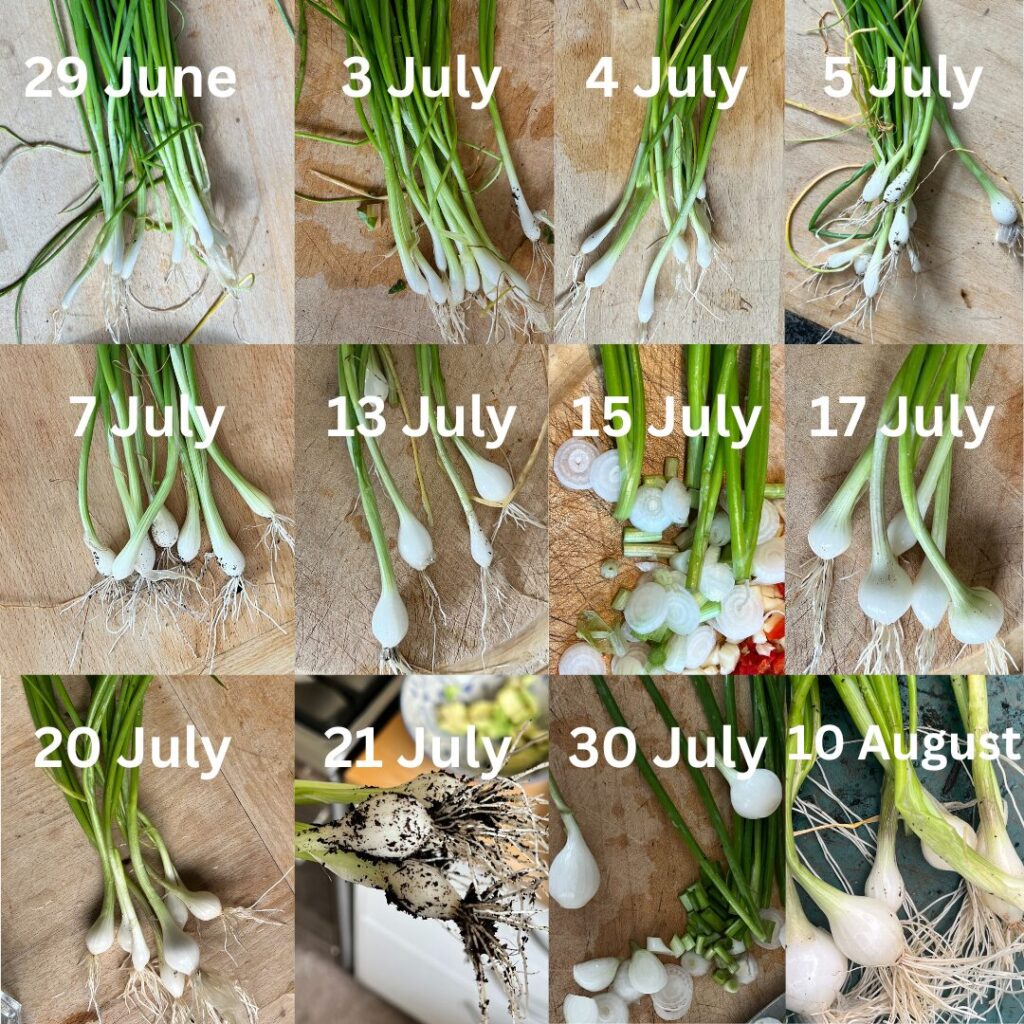
Cipollotti should be harvested when the leaves are completely dry and the bulb is well-formed. If you want to eat them raw or lightly cooked, harvest them when the bulb is still small. On the other hand, if you prefer them mature and sweet, wait until they reach full size.
When to Plant Cipollotti
Cipollotti can be planted in either autumn or spring. For an autumn planting, choose potted plants or seeds sown in August, and harvest them by March-April. For a spring planting, start with seedlings from March, and enjoy a summer crop of cipolloti.
Sowing Seeds
If you prefer to start from seeds, the best time is from February to April. Make sure to choose a sunny spot with well-draining soil. Sow the seeds about 1/4 inch deep, and keep the soil consistently moist until germination.
Varieties of Cipolloti
There are many varieties of cipollotti available, including white, red, long-necked, and bulbous types. Choose a variety that suits your taste preferences and growing conditions. Some popular varieties include:
- Bianca di Maggio (white)
- Bianca Gigante (white)
- Cipollotto Rosso Lunghi (red)
- Cipollotto Tondeggianti Ramati (red)
Preparing the Soil
Cipollotti prefer well-draining soil with a pH between 6.0 and 7.0. Prepare the soil by loosening it to a depth of 20-25 cm, removing any debris or rocks.
Planting Cipolloti
Plant cipolloti at a distance of 4-7 cm between rows, and 25-40 cm apart within the row. Make sure the soil is moist but not waterlogged. If you’re growing in containers, use a well-draining potting mix and keep the soil consistently moist.
Caring for Cipolloti
Cipolloti require minimal care. Keep the soil consistently moist, but not waterlogged. Fertilize with a balanced fertilizer once a month. Harvest cipolloti regularly to encourage new growth.
Growing Cipolloti in Containers
Yes, you can grow cipolloti in containers! Use pots or planters at least 35 cm deep to accommodate the roots. Make sure the soil is well-draining and consistently moist. Fertilize with a balanced fertilizer once a month.
Tips for Growing Cipolloti Indoors
If you want to grow cipolloti indoors, choose a container that is at least 10-15 inches deep. Keep the soil consistently moist but not waterlogged. Provide indirect sunlight or use grow lights to promote healthy growth.
Common Pests and Diseases of Cipolloti
Cipolloti are susceptible to pests like aphids, spider mites, and whiteflies. Regularly inspect your plants for signs of infestation and treat promptly if necessary. Cipolloti are also prone to diseases like powdery mildew and botrytis. Use fungicides or organic controls like neem oil to prevent disease.
How to Store Cipolloti
Cipolloti can be stored in a cool, dark place for up to 2 weeks. Keep them away from direct sunlight and moisture. You can also freeze cipolloti for longer storage. Simply trim the tops, submerge them in water or ice, and store in an airtight container.
How to Use Cipolloti
Cipolloti are versatile ingredients that can be used in a variety of dishes. They can be chopped raw and added to salads, sautéed with garlic as a topping for pizza, or pickled and served as a condiment.
Health Benefits of Cipolloti
Cipolloti are rich in vitamins A, C, and K, as well as fiber, potassium, and other essential minerals. They have anti-inflammatory properties that can help reduce the risk of chronic diseases like heart disease and cancer.
Conclusion
Growing cipolloti is a rewarding experience that requires minimal care. By following these simple steps, you can enjoy a bountiful harvest of delicious cipolloti in no time! Whether you’re a seasoned gardener or a beginner, cipolloti are an excellent addition to your garden or kitchen.
Additional Resources
For more information on growing cipolloti, consult the following resources:
- The Royal Horticultural Society (RHS) – www.rhs.org.uk
- The National Gardening Association (NGA) – www.garden.org
- Your local nursery or gardening store – ask for advice on growing cipolloti.
Glossary of Terms
Here is a list of terms commonly used in the article:
- Cipollotti: baby onions or scallions
- Bianca di Maggio: white variety of cipollotti
- Cipollotto Rosso Lunghi: red variety of cipollotti
- Aphids: small, sap-sucking insects that can harm plants
- Spider mites: tiny, spider-like insects that feed on plant sap
- Powdery mildew: a fungal disease that causes white, powdery growth on leaves and stems
- Botrytis: a fungal disease that causes gray, moldy growth on leaves and stems
By understanding the terms and concepts presented in this article, you can better appreciate the world of cipolloti and enjoy growing and using them in your own kitchen.


