
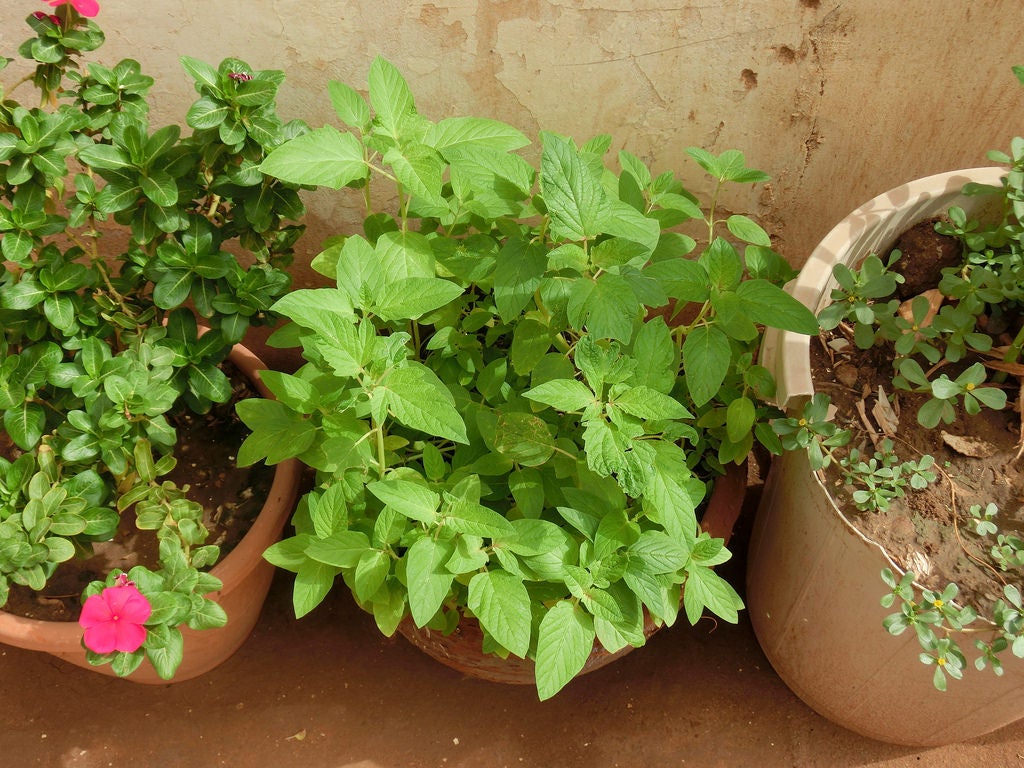
As we increasingly seek out locally sourced and sustainable foods, growing our own sesame at home has become a popular trend. Not only is it a great way to have a steady supply of this nutritious seed, but it’s also an excellent addition to various recipes. In this article, we’ll explore the benefits of growing sesame in a vase, provide step-by-step instructions on how to do so, and even share some delicious recipe ideas.
Why Grow Sesame in a Vase?
Sesame is an excellent source of calcium, omega-3, and omega-6 fatty acids, making it a great addition to a healthy diet. It’s also rich in antioxidants and has been shown to have numerous health benefits, including reducing inflammation and improving heart health. Plus, growing sesame at home allows you to control the quality of the seed and ensure that it’s free from pesticides and other contaminants.
In ancient Egypt, sesame was highly valued for its nutritional properties and was used extensively in cooking and medicine. Today, it’s still a staple ingredient in many cuisines around the world, and with growing interest in sustainable living, it’s no surprise that people are turning to homegrown sesame as a convenient and healthy alternative.
Choosing the Right Time to Start
Before you begin growing sesame in a vase, it’s essential to choose the right time of year. In most regions, the ideal time to start is during the spring months, around April or May. This allows you to take advantage of the warm weather and long days while minimizing the risk of frost.
Selecting the Right Vase
When choosing a vase for your sesame plant, make sure it’s at least 30x30x40 cm in size to accommodate the plant’s mature height of around 80 cm. A well-draining potting mix is also crucial to prevent waterlogged soil and root rot.
Sowing Sesame Seeds
To sow sesame seeds, start by moistening the soil thoroughly. Then, create a small indentation in the soil and gently press the seed into it. Cover the seed with a thin layer of soil and water lightly. Keep the soil consistently moist but not waterlogged during the first few weeks after sowing.
Caring for Your Sesame Plant
As your sesame plant grows, make sure to provide it with plenty of sunlight (at least 4-6 hours direct sunlight per day) and maintain a consistent watering schedule. Avoid overwatering, which can lead to root rot and other problems. You may also need to fertilize your plant periodically to promote healthy growth.
Identifying Common Problems
While growing sesame in a vase is generally straightforward, there are some common issues you may encounter along the way:
- Pests: Check your plant regularly for signs of pests like aphids, whiteflies, and spider mites. Use organic pest control methods whenever possible to avoid harming the environment.
- Diseases: Keep an eye out for fungal diseases like powdery mildew and root rot. Treat any issues promptly with a fungicide or other recommended treatments.
Harvesting Your Sesame Seeds
Once your sesame plant reaches maturity (usually around 3-4 months after sowing), it’s time to harvest the seeds. Simply allow the pods to dry completely, then remove the seeds from the pods and store them in an airtight container.
You can also use the leaves of the sesame plant in salads or as a garnish for soups and other dishes. The flowers may be used as a natural dye or in traditional medicine.
Recipe: Sesame Seed Soup
Here’s a simple recipe to get you started:
Ingredients:
- 480 ml water
- 75 g toasted sesame seeds
- 70 g anacardi (or almonds)
- 2 cucchiai of avena flour
- 2 cucchiai of sugar
Instructions:
- Combine the sesame seeds, anacardi, and avena flour in a blender or food processor.
- Add water to the mixture as needed to achieve a smooth consistency.
- Heat the mixture over medium heat, stirring constantly, until it thickens slightly.
- Serve hot, garnished with toasted sesame seeds, sliced almonds, or shredded coconut.
Growing sesame at home is an excellent way to enjoy this nutritious and versatile seed while reducing your environmental impact. With a little care and attention, you can harvest fresh sesame seeds and enjoy them in various recipes. Happy growing!
Frequently Asked Questions
- What is the best climate for growing sesame?
Sesame prefers warm temperatures between 15°C to 25°C (59°F to 77°F). It thrives in regions with low humidity and well-drained soil. - How often should I water my sesame plant?
Water your sesame plant when the top inch of soil feels dry to the touch. Avoid overwatering, which can lead to root rot. - What pests can affect my sesame plant?
Common pests that may infest your sesame plant include aphids, whiteflies, and spider mites. Use organic pest control methods whenever possible. - How do I prevent fungal diseases in my sesame plant?
Regularly inspect your plant for signs of fungal diseases like powdery mildew and root rot. Treat any issues promptly with a fungicide or other recommended treatments. - Can I grow sesame indoors?
Yes, you can grow sesame indoors using a pot and proper lighting. However, sesame requires full sun to produce seeds, so ensure your indoor location receives sufficient sunlight.
Growing sesame at home is an excellent way to enjoy this nutritious and versatile seed while reducing your environmental impact. With a little care and attention, you can harvest fresh sesame seeds and enjoy them in various recipes. Happy growing!


