
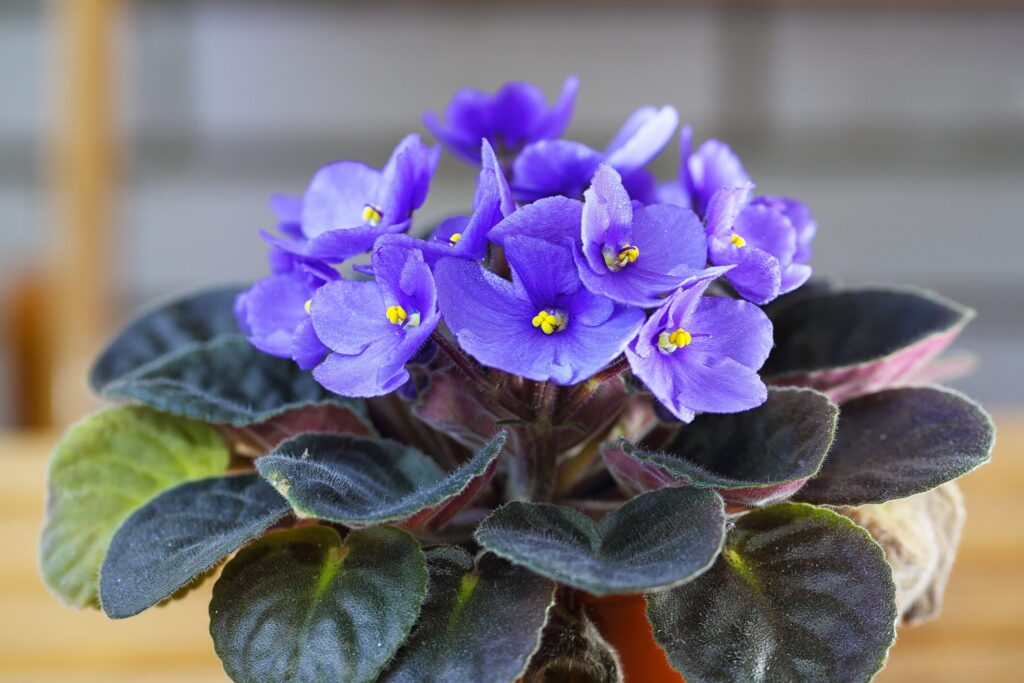
Growing a Saintpaulia, also known as African Violet, is a rewarding experience that requires minimal care and attention. This popular houseplant is prized for its vibrant flowers, durability, and ease of maintenance. In this article, we will explore the basics of growing a Saintpaulia, including repotting, fertilizing, and troubleshooting common issues.
Understanding the Basics
African Violets are one of the most widely cultivated plants in homes and gardens worldwide. They belong to the genus Saintpaulia, which includes several species with varying characteristics. The most popular variety is Saintpaulia ionantha, known for its stunning blue-purple flowers.
Growing Conditions
To grow a healthy African Violet, you need to provide it with the right growing conditions:
- Light: African Violets require bright, indirect light. Direct sunlight can scorch their delicate leaves and flowers.
- Temperature: The ideal temperature range is between 18°C and 25°C (64°F-77°F). Avoid placing your plant near heating or cooling vents.
- Watering: Water your plant thoroughly, allowing the soil to dry slightly between waterings. Overwatering can lead to root rot.
Common Issues
Despite its low-maintenance requirements, African Violets can be prone to certain issues:
- No Flowers: If you notice no flowers appearing on your plant, it may be due to inadequate light, temperature fluctuations, or poor soil quality.
- Leaf Drop: Leaf drop is a common problem in African Violets. It can be caused by overwatering, underwatering, or exposure to extreme temperatures.
Propagation
African Violets are easily propagated using the leaf cutting method:
- Choose a healthy leaf with a long petiole (stem).
- Cut the petiole from the leaf at an angle using sterile scissors.
- Place the cut end in water or moist soil to allow root development.
- Once roots have formed, transfer the new plant to a pot filled with well-draining soil.
Tips and Tricks
Here are some additional tips to help you grow a thriving African Violet:
- Use a Well-Draining Potting Mix: Avoid using regular potting soil, as it can retain too much water and cause root rot.
- Fertilize Regularly: Feed your plant with a balanced fertilizer during the growing season (spring-fall) to promote healthy growth and flowering.
Repotting
African Violets typically need to be repotted every 1-2 years. Choose a pot that is slightly larger than the previous one, and fill it with a well-draining potting mix. Handle the roots gently when transplanting to minimize damage.
Pruning
Prune your African Violet regularly to maintain its shape and promote healthy growth. Remove any dead or damaged leaves or flowers, and trim back overgrown stems.
Pest Control
African Violets can be susceptible to pests such as mealybugs, spider mites, and aphids. Check your plant regularly for signs of infestation, and treat promptly if necessary.
Conclusion
Growing an African Violet is a rewarding experience that requires minimal care and attention. By understanding its basic needs, troubleshooting common issues, and following propagation and fertilization techniques, you can enjoy this beautiful houseplant for years to come.
FAQs:
-
What is the ideal temperature range for growing African Violets?
The ideal temperature range for growing African Violets is between 18°C and 25°C (64°F-77°F).
-
Why are my African Violet’s leaves turning yellow?
Yellow leaves can be a sign of overwatering or underwatering. Check your watering schedule to ensure you’re providing the right amount of moisture.
-
Can I grow African Violets in low-light conditions?
While African Violets prefer bright, indirect light, they can tolerate low-light conditions. However, their growth and flowering may be affected.
-
How often should I fertilize my African Violet?
Fertilize your African Violet regularly during the growing season (spring-fall) with a balanced fertilizer to promote healthy growth and flowering.
-
Can I propagate African Violets using stem cuttings?
No, African Violets cannot be propagated using stem cuttings. The leaf cutting method is the most effective way to propagate this plant.
-
Why are my African Violet’s flowers not blooming?
If your African Violet’s flowers are not blooming, it may be due to inadequate light, temperature fluctuations, or poor soil quality. Check your growing conditions and adjust as necessary.
Common Mistakes
Avoid making the following mistakes when growing an African Violet:
- Overwatering: Avoid watering your plant too frequently, as this can lead to root rot.
- Underwatering: Make sure to water your plant regularly, especially during hot summer months.
- Lack of Light: Provide your plant with bright, indirect light to promote healthy growth and flowering.
Troubleshooting
Here are some common issues and their solutions:
- No Flowers: Check your growing conditions, fertilization schedule, and soil quality. Adjust as necessary.
- Leaf Drop: Check your watering schedule, temperature fluctuations, and exposure to extreme temperatures. Adjust as necessary.
- Yellow Leaves: Check your watering schedule and adjust as necessary.
Conclusion
Growing an African Violet is a rewarding experience that requires minimal care and attention. By understanding its basic needs, troubleshooting common issues, and following propagation and fertilization techniques, you can enjoy this beautiful houseplant for years to come.
By following the tips and tricks outlined in this article, you’ll be well on your way to growing a thriving African Violet. With proper care and attention, you can enjoy the beauty of these stunning plants for years to come.


