
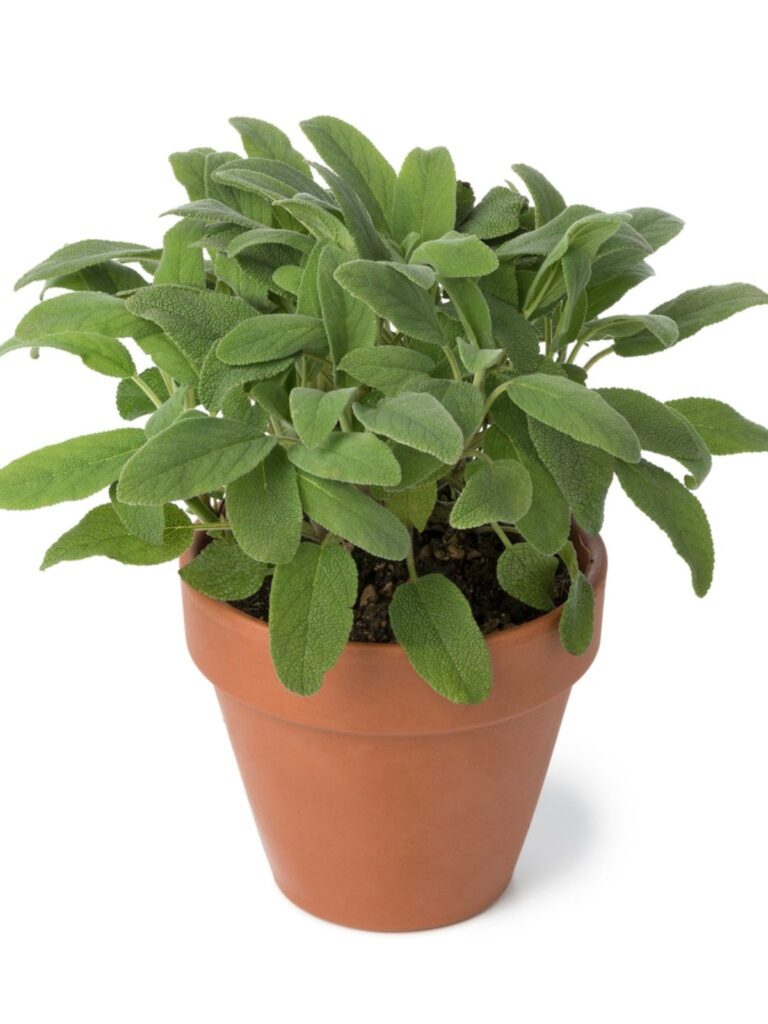
As a seasoned gardener, you may have already discovered the numerous benefits of growing sage. This versatile herb is not only prized for its culinary uses but also for its medicinal properties and ability to repel pests. In this article, we will delve into the world of sage cultivation, covering everything from its history and benefits to tips on how to grow it successfully.
What is Sage?
Sage (Salvia officinalis) is a perennial herb that belongs to the mint family. It has been used for centuries in cooking and medicine, and its popularity endures due to its numerous health benefits. There are two main types of sage: Salvia officinalis (also known as culinary or common sage), which is commonly used in cooking, and Salvia ornamentale (or perennials or ornamental sage), which is grown primarily for its attractive flowers.
Properties of Sage
Sage has been revered for its medicinal properties since ancient times. The word “salvia” comes from the Latin “salvus,” meaning “safe” or “healthy.” This herb contains various bioactive compounds, including cineole, estrogens, and polyphenols, which have antioxidant, anti-inflammatory, and antibacterial effects. These properties make sage a popular remedy for various health issues, such as menopausal symptoms, insomnia, digestive problems, and stress.
How to Use Sage
Sage can be consumed internally in the form of tea or infusion, or externally through topical applications like ointments or creams. The leaves can also be dried and used as a natural breath freshener or mouthwash. Some people use sage as an ingredient in cooking, particularly for its ability to complement fish, vegetables, meat, and cheese.
History of Sage
Sage has been used for thousands of years in various cultures around the world. In ancient Greece, sage was considered a sacred herb, associated with wisdom and longevity. The Greek physician Hippocrates, known as the father of medicine, used sage to treat a range of ailments, including fever, coughs, and skin conditions.
In Europe, during the Middle Ages, sage was used to treat a variety of health issues, including digestive problems, insomnia, and rheumatism. It was also used as a natural remedy for respiratory issues, such as bronchitis and asthma.
Growing Sage
Growing sage is relatively easy, but it requires some attention to its specific needs. Here are some tips to get you started:
Sage Care Essentials
- Choose a well-draining potting mix and a container with good drainage holes.
- Sage prefers full sun (at least 4-6 hours of direct sunlight) and dry soil, but it can tolerate partial shade and moist conditions.
- Water sage when the top inch of soil feels dry to the touch.
- Fertilize sage regularly with an all-purpose fertilizer.
Sage in Vase or Garden
You can grow sage either indoors in a vase or outdoors in your garden. If you’re starting from seeds, plant them in early spring or fall in well-draining soil and keep the soil moist during the first few weeks.
To repot the sage when it becomes too large for its container:
- Choose a larger pot with good drainage holes.
- Remove the sage from the old pot by gently twisting and pulling it out.
- Trim back the roots of the sage to encourage new growth.
- Plant the sage in the new pot, making sure the soil level is the same as before.
Pruning Sage
Sage needs regular pruning to maintain its shape and promote healthy growth. Here are some tips on how to prune your sage:
- Cut back the stems of the sage by about one-third to encourage bushy growth.
- Remove any dead or damaged leaves to prevent disease from spreading.
Common Problems with Sage
Sage can be susceptible to pests like spider mites, mealybugs, and aphids. Regularly inspect your plants for signs of infestation and take action promptly if you notice any problems.
Tips for Growing Healthy Sage
Here are some additional tips to help you grow healthy sage:
- Use organic fertilizers: Avoid using synthetic fertilizers, which can damage the environment.
- Monitor soil pH: Make sure the soil pH is between 6.0 and 7.0 for optimal growth.
- Provide adequate light: Sage needs at least 4-6 hours of direct sunlight per day.
Varieties of Sage
There are several varieties of sage, each with its own unique characteristics:
- Culinary Sage: This variety is commonly used in cooking and has a more robust flavor than other types.
- Ornamental Sage: This variety is grown primarily for its attractive flowers and has a sweeter flavor than culinary sage.
- Prairie Sage: This variety is native to North America and has a milder flavor than other types.
Sage in Traditional Medicine
Sage has been used in traditional medicine for centuries, particularly in European countries. It was often used as a natural remedy for respiratory issues, such as bronchitis and asthma.
In modern times, sage is still used in some traditional medicine practices, although its use is not as widespread as it once was. Some people believe that sage has anti-inflammatory properties, which can help reduce pain and inflammation.
Conclusion
Growing sage is a rewarding experience that offers numerous benefits for both health and cooking. By following these tips, you’ll be well on your way to cultivating this versatile herb in your home or garden.
Frequently Asked Questions (FAQs)
- What are the benefits of eating sage?
Eating sage has been linked to several potential health benefits, including reducing inflammation, improving cognitive function, and supporting digestive health. - How do I grow sage indoors?
To grow sage indoors, choose a container with good drainage holes and provide it with full sun (at least 4-6 hours of direct sunlight) and dry soil. Water the plant when the top inch of soil feels dry to the touch. - Can I use sage as a natural remedy for anxiety?
While there is limited scientific evidence on using sage as a treatment for anxiety, some studies suggest that its antioxidant properties may help reduce stress levels. - How do I prevent pests from infesting my sage plant?
Regularly inspect your plants for signs of pests and take action promptly if you notice any problems. Use organic pest control methods whenever possible to avoid harming the environment.
Growing sage is an exciting journey that requires some effort, but the rewards are well worth it. With these tips and insights, you’ll be on your way to cultivating this amazing herb in no time!


