
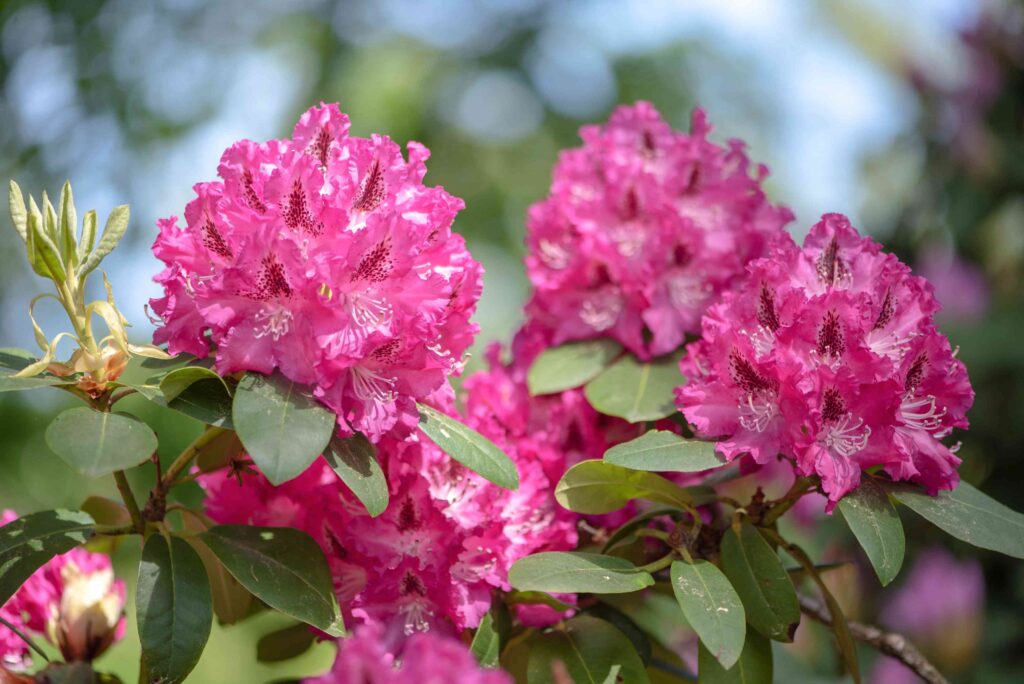
Rhododendron: A Plant That Belongs to the Ericaceae Family
The rhododendron, just like azalea, belongs to the Ericaceae family. It is a genus that originated from Eurasia and America, with over 500 species and countless hybrid varieties developed by botanists worldwide. The Rhododendron wardii var. puralbum is shown in the photo above, which has gained significant interest in Italy for the alpine rhododendron, also known as the “Rosa of the Alps” or Rhododendron ferrugineo.
Rhododendron: A Velenous Plant
Some species of rhododendrons are prized by natural healers due to their potential bioactive substances that can be beneficial for the human body. However, in herbal medicine, preparations based on extracts of rhododendrons are often discouraged because they may contain toxic compounds.
Is Rhododendron Toxic? How Does It Work?
There are many species of rhododendrons, and most of them contain poisonous substances within their plant cells. For example, the leaves of Rhododendron maximum (Large Rhododendron or Great Rhododendron) are toxic.
Rhododendron: Alpine and Mountain Species
Only two species are found in alpine and mountainous regions: Rhododendron ferrugineum (Alpine Rhododendron) and Rhododendron hirsutum (Mountain Rhododendron). These plants have a sprawling growth habit and bloom from May to June with vibrant red flowers. They can thrive on calcareous soils.
Can You Grow Alpine or Mountain Rhododrons in the Plains?
If you want to grow alpine or mountain rhododrons, do not move them away from their natural habitat: these plants will suffer from typical temperature fluctuations. In order to keep them healthy, provide shade to your plants by placing a north-facing roof over them.
How to Grow Rhododendron
Rhododendrons are evergreen shrubs that can thrive in your gardens. When should you plant a rhododron? Planting can be done in spring or late summer/early fall.
Choosing the Right Location for Your Rhododron
Choose a spot with plenty of sunlight, but not direct sunlight. You can also choose a shaded area (partially shaded) under an oak tree or shrubs.
Growing Rhododrons: Do They Thrive in Pots?
Yes, rhododrons can be grown in pots and will produce lovely cespugli-like plants. With regular pruning from the start, you can grow rhododrons as bonsai trees. Pruning involves removing dead branches on the lower sections of the plant to allow good air circulation.
Growing Rhododrons: Do They Thrive Outdoors?
Yes, some varieties are more resistant to cold temperatures and can be grown in outdoor gardens. Varieties that are sensitive to frost should be kept indoors during winter or placed under a sheltered roof.
Watering Your Rhododron
In summer, it is recommended to water your rhododrons regularly. It’s best to use rainwater for watering your rhododrons, especially if you’re growing them in pots.
Rhododrons: Acid-Loving Plants
As an acid-loving plant (with the exception of some mountain species that can tolerate alkaline soils), the pH level of the soil should be slightly acidic. Avoid using tap water to irrigate your rhododron, as it may contain high levels of calcium and make it difficult for the plant to absorb nutrients.
Rhododrons in Vases
You can grow rhododrons in vases and get delicate-looking plants or alberello rhododrons through regular pruning from an early age. The goal is to eliminate any shoots that appear on lower branches of the stem, focusing on a single trunk to promote healthy growth.
When Should You Fertilize Your Rhododron?
If you have already purchased a fertilizer for orchids, aloe plants, or azaleas, you can use it. If not, you can also use guano (natural fertilizer) and supplement your soil with additional nutrients. Alternatively, you can purchase a specific fertilizer designed for acid-loving plants like rhododrons.
What Fertilizer Should You Use?
A balanced fertilizer with nitrogen, phosphorus, and potassium (NPK 5-3-5) is recommended for rhododron fertilization. Additionally, micro-elements (+2 MGO) can be added to ensure the plant’s optimal growth.
How Much Time Will It Take for My Rhododron to Grow?
It depends on how often you apply fertilizer and how well your soil condition supports the growth of your plants. A balanced fertilizer should be applied every two months starting from March until autumn.
What Are Some Common Diseases That Can Afflict Your Rhododron?
A good fertilization is essential for maintaining a healthy rhododron, but it’s not enough on its own. Rhododrons are susceptible to fungal diseases and pests, so pruning dead branches can help prevent infection. Insufficient nutrient levels in the soil can also cause problems.
How Often Should I Prune My Rhododron?
Pruning your rhododron regularly is essential for maintaining its health. Dead branches should be removed from lower sections of the plant to allow good air circulation and promote healthy growth.
What Are Some Common Fungal Diseases That Can Afflict Your Rhododrons?
Fungal diseases can cause leaf discoloration, scarring, or failure to bloom in rhododrons. Insufficient nutrient levels in the soil can also cause problems.
Common Pests of Rhododron
Some common pests of rhododron include:
- Spider mites: A tiny spider-like insect that feeds on plant sap and causes yellowing leaves.
- Scale insects: Small, armored insects that feed on plant sap and cause stunted growth.
- Aphids: Small, soft-bodied insects that feed on plant sap and can cause curled or distorted leaves.
Tips for Growing Rhododrons in Your Garden
- Plant your rhododron in a location with partial shade to full sun.
- Water your rhododron regularly during the summer months, but avoid overwatering.
- Fertilize your rhododron every two months using a balanced fertilizer.
- Prune your rhododron regularly to promote healthy growth and prevent disease.
- Monitor for pests and diseases, and take action promptly if you notice any issues.
Tips for Growing Rhododrons in Pots
- Choose a large enough pot to accommodate the mature size of your rhododron.
- Use a well-draining potting mix specifically designed for acid-loving plants like rhododorns.
- Water your rhododron regularly during the summer months, but avoid overwatering.
- Fertilize your rhododron every two months using a balanced fertilizer.
- Prune your rhododron regularly to promote healthy growth and prevent disease.
Tips for Growing Rhododrons as Bonsai Trees
- Choose a species of rhododron that is well-suited for bonsai cultivation, such as the alberello or compact varieties.
- Use a shallow pot specifically designed for bonsai trees.
- Water your rhododron regularly during the summer months, but avoid overwatering.
- Fertilize your rhododron every two months using a balanced fertilizer.
- Prune your rhododron regularly to promote healthy growth and prevent disease.
By following these tips and guidelines, you can successfully grow a healthy and thriving rhododron in your garden or indoor space.


