
Introduction to Ranunculus
Ranunculus is a genus of flowering plants that comprises approximately 400-600 species, all originating from cold temperate regions around the world. Some species can thrive spontaneously in various habitats across our region. The unique characteristics of these flowers have captivated gardeners and florists alike, making them a popular choice for cultivation.
The Significance of Ranunculus in Floral Language
Before exploring the meaning of ranunculus in floral language, let’s delve into its etymology. The term “ranunculus” is derived from the Latin word “rana,” meaning small frog, likely referring to the plant’s natural habitat in cool and humid environments.
In the language of flowers, ranunculus holds a specific significance: it is often referred to as “bottone d’oro” (golden button) and is considered a precious flower in Christian tradition, especially during Holy Week. It symbolizes beauty and melancholy. The delicate petals and vibrant colors of ranunculus flowers also evoke feelings of nostalgia and love.
Ranunculus: The Flower
Ranunculus flowers bloom late in winter, resembling roses with large, showy petals. They come in various shapes, sizes, and colors, making them a popular choice for cultivation. However, unlike roses, ranunculus flowers lack fragrance. Their blooming period spans throughout the spring season, providing a pop of color to gardens and arrangements.
The unique characteristics of ranunculus flowers also make them an excellent choice for cut flower arrangements. Their delicate petals and vibrant colors can add a touch of elegance to any bouquet or centerpiece.
Choosing the Right Varieties
When selecting ranunculus varieties, consider those with vibrant and showy blooms. These are commonly found in vivariers (nurseries) and online marketplaces like Amazon. Some popular varieties include:
- ‘Sorbet’ – A pale pink variety with delicate petals
- ‘Pompon’ – A bright red variety with rounded petals
- ‘Red Ruffle’ – A deep red variety with ruffled petals
When selecting a variety, consider the climate and growing conditions in your area. Some ranunculus varieties may require more care and attention than others.
Cultivating Ranunculus
Ranunculus can be grown for:
- Border planting
- Aesthetic arrangements
- Groundcover
- Rock gardens
- Natural meadows
When cultivating ranunculus, provide a full-sun location or partial shade. The plant thrives in well-draining soil with moderate moisture levels.
Tips and Tricks
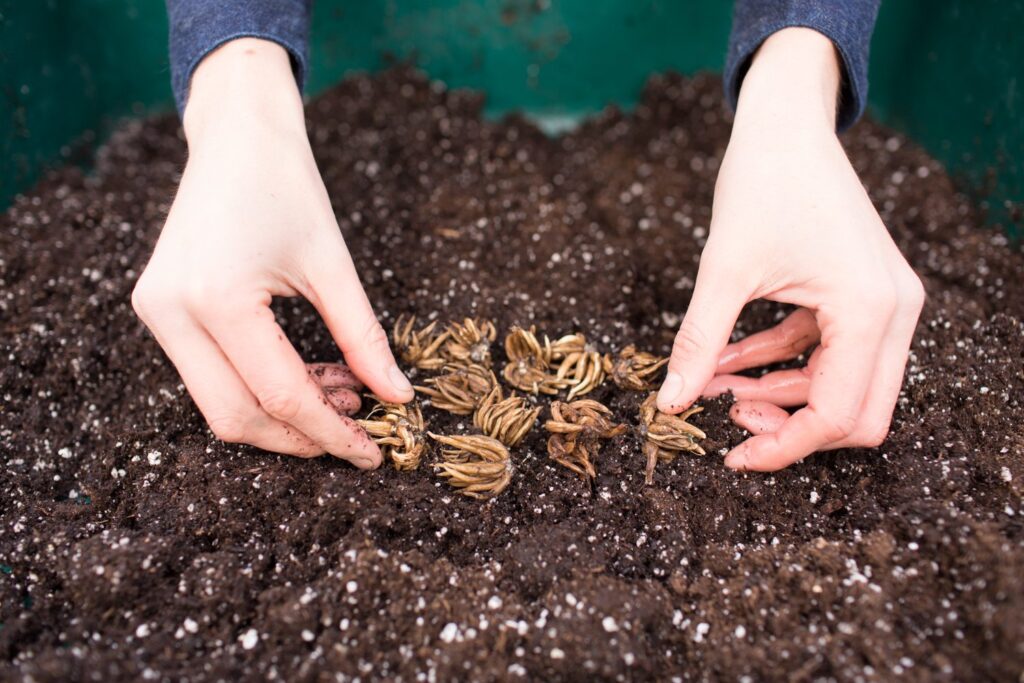
- Plant the bulb 5 cm deep and 7-10 cm apart.
- Maintain optimal soil conditions: rich, moist, but not waterlogged.
- Water regularly during active growth periods, avoiding leaf coverage.
- Use a soft, organic-rich potting mix in containers or flowerers.
- Consider purchasing pre-made mixtures specifically designed for ranunculus cultivation.
Sourcing Ranunculus
Explore various online marketplaces, such as Amazon, to find high-quality ranunculus bulbs. Keep an eye on local nurseries and gardening stores for seasonal availability.
When sourcing ranunculus bulbs, consider the following:
- Look for bulbs that are firm and dry
- Avoid bulbs with signs of mold or rot
- Check the packaging for any damage or wear
Conclusion
With the right care and attention, ranunculus can add beauty and elegance to any garden or arrangement. Remember to choose varieties that suit your climate and growing conditions. By following this guide, you’ll be well on your way to cultivating these stunning flowers.
Frequently Asked Questions (FAQs)
Q: What is the best time to plant ranunculus?
A: Autumn or spring are ideal for planting.
Q: How often should I water my ranunculus plants?
A: Regular watering during active growth periods, avoiding leaf coverage.
Q: Can I grow ranunculus in a container?
A: Yes, use a soft, organic-rich potting mix and maintain optimal drainage.
Q: Are there any specific soil requirements for ranunculus cultivation?
A: Well-draining soil with moderate moisture levels is ideal.
Q: Can I use ranunculus bulbs to create natural meadows?
A: Yes, but consider choosing species that thrive in your local climate.
Q: How long do ranunculus flowers bloom?
A: Blooming periods can span several months, depending on the variety and growing conditions.
Q: Are ranunculus plants suitable for indoor cultivation?
A: While possible, ranunculus require a lot of light and specific temperature conditions.
Care and Maintenance
Ranunculus requires regular care and maintenance to ensure optimal growth and blooming. Here are some additional tips:
- Fertilize regularly during the growing season
- Deadhead spent blooms to encourage more flowering
- Divide and replant every 2-3 years to maintain plant health
- Consider dividing ranunculus bulbs in the fall to prepare for winter
Propagation
Ranunculus can be propagated through division, seed, or tissue culture. Here are some methods:
- Division: Dig up the bulb, separate the roots, and replant each section.
- Seed: Sow seeds directly in the ground after flowering has ceased.
- Tissue culture: Use a commercial tissue culture kit to propagate ranunculus from stem cuttings.
Common Problems
Ranunculus can be prone to various problems, including:
- Pests: Aphids, whiteflies, and slugs can damage ranunculus plants
- Diseases: Root rot, leaf spot, and powdery mildew can affect ranunculus cultivation
- Environmental factors: Extreme temperatures, drought, and excessive moisture can impact ranunculus growth
Solutions to Common Problems
Here are some solutions to common problems:
- Pests:
- Use neem oil or insecticidal soap to control aphids and whiteflies
- Hand-picking slugs and snails at night
- Diseases:
- Improve air circulation around the plant
- Treat root rot with fungicides
- Practice good hygiene when handling ranunculus plants
- Environmental factors:
- Mulch around the base of the plant to retain moisture
- Avoid overwatering or underwatering
Conclusion
Ranunculus is a versatile and beautiful flower that can add elegance to any garden or arrangement. With proper care and attention, you can cultivate these stunning flowers in your own backyard. Remember to choose varieties that suit your climate and growing conditions, and follow the tips and tricks outlined in this guide.
By mastering the art of growing ranunculus, you’ll be able to create breathtaking arrangements and add a touch of beauty to any space. Happy gardening!


