
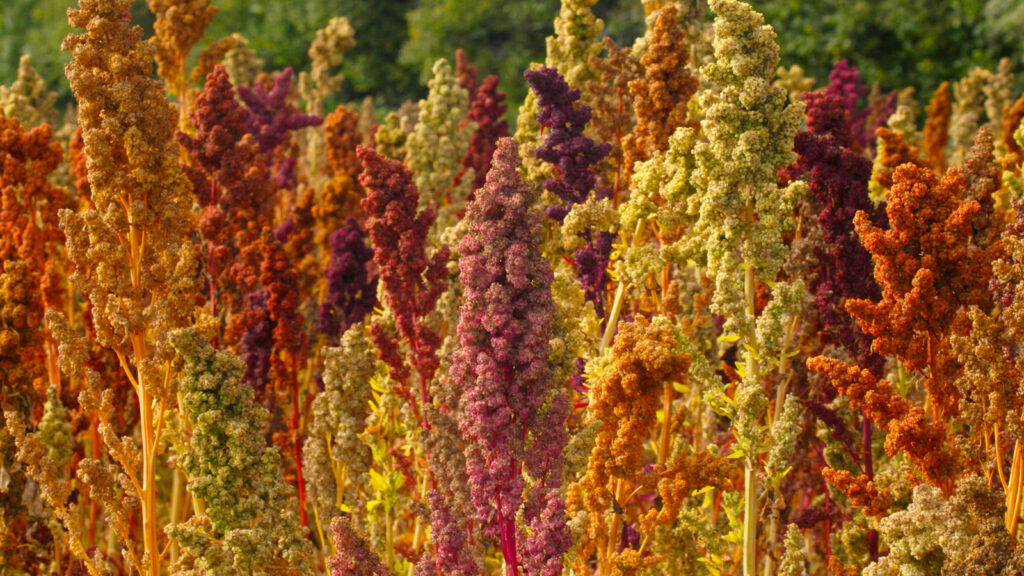
As we explore the world of sustainable agriculture, one crop stands out for its nutritional benefits and versatility: quinoa. Native to the Andean region, this pseudo-cereal is rich in protein, fiber, and minerals, making it an excellent addition to any diet. However, growing quinoa can be challenging, especially in regions with temperate climates. In this article, we’ll delve into the world of quinoa cultivation, exploring its history, properties, and cultivation requirements.
Quinoa: A Brief History
Quinoa (Chenopodium quinoa) is an ancient crop that originated in the Andean region of South America, dating back over 3,000 years. It was a staple food for the Incas and other indigenous communities, who prized it for its nutritional value and versatility. Today, quinoa is grown commercially in many countries around the world, with Peru and Bolivia being among the top producers.
Understanding Quinoa’s Properties
Quinoa is a member of the Amaranthaceae family and is characterized by its unique properties:
- High protein content (10 essential amino acids)
- Rich in micronutrients (Calcium, Magnesium, Iron, Zinc, and others)
- Packed with antioxidants (Betacarotene, Niacin, Riboflavin, Vitamin A, B2, and E)
- High levels of healthy fats (Linoleic acid)
Cultivating Quinoa: Tips for Success
Growing quinoa requires careful attention to its specific needs. Here are some key considerations:
- Climate: Quinoa thrives in temperate climates with moderate temperatures and adequate moisture.
- Soil: Well-draining, fertile soil is essential for optimal growth.
- Sunlight: Quinoa requires full sun to partial shade, depending on the variety.
Cultivating Quinoa in Your Garden
If you’re eager to try your hand at quinoa cultivation, here are some tips to get you started:
- Choose a suitable location: Select a spot with well-draining soil and full sun to partial shade.
- Prepare the soil: Mix in organic matter and fertilizers to create a nutrient-rich environment.
- Sow seeds: Plant quinoa seeds 1-2 inches deep and 6-8 inches apart, depending on the variety.
Growing Quinoa in Containers
If you’re short on space or prefer container gardening, here are some tips for growing quinoa:
- Select a large container: Choose a container with good drainage and at least 6-8 inches of depth.
- Use a well-draining potting mix: Avoid using regular potting soil, which can retain too much moisture.
Harvesting Quinoa
Quinoa is ready to harvest when the plants turn golden yellow and the seeds rattle within the pods. Here’s how to harvest quinoa:
- Check for maturity: Inspect the plants regularly for signs of ripeness.
- Cut the stems: Cut the stems near the base, leaving a small portion attached to the plant.
- Dry the seed heads: Hang the seed heads upside down in a warm, dry location to dry completely.
Common Challenges and Solutions
Growing quinoa can be challenging due to various factors, such as pests, diseases, and climate variability. Here are some common challenges and solutions:
- Pests: Use natural pest control methods, such as neem oil or diatomaceous earth.
- Diseases: Practice good hygiene, remove infected plants, and use fungicides if necessary.
Conclusion
Growing quinoa requires attention to detail, patience, and the right conditions. By understanding its properties and cultivation requirements, you can successfully grow this nutritious crop in your garden or containers. Happy growing!
Frequently Asked Questions (FAQs)
- Can I grow quinoa in my backyard?
- Yes, but ensure you have a suitable climate and soil condition.
- How do I care for quinoa plants?
- Provide full sun to partial shade, well-draining soil, and regular watering.
- What are the benefits of consuming quinoa?
- Quinoa is rich in protein, fiber, and micronutrients, making it an excellent addition to a balanced diet.
- Can I grow quinoa in containers?
- Yes, but choose a large container with good drainage and well-draining potting mix.
- How do I harvest quinoa?
- Check for maturity, cut the stems, and dry the seed heads completely.
Additional Resources
- Quinoa.org
- [FAO Quinoa Factsheet](https://www.fao.org/3/ca4347en(ca4347en.pdf)
- Slow Food Quinoa Guide


