
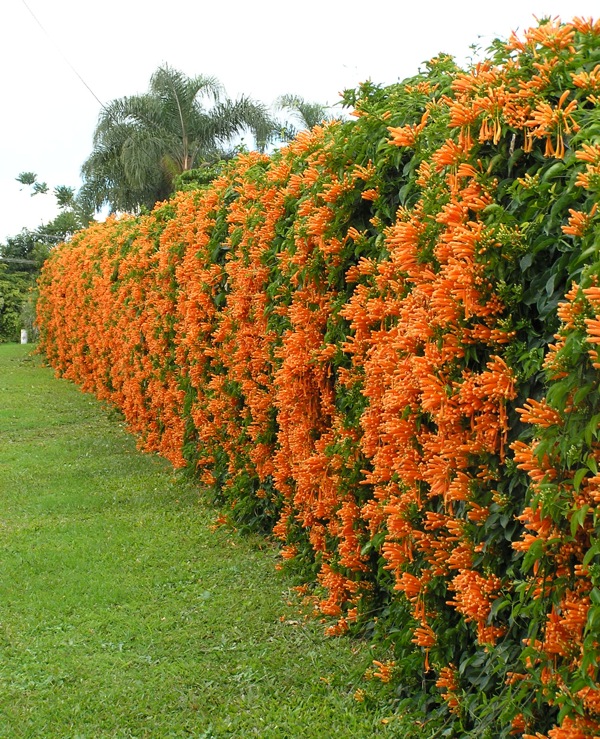
As you step into your garden, you can’t help but be mesmerized by the explosion of colors that erupt from the Pyrostegia venusta, a climbing plant whose name may be difficult to remember, but its beauty is impossible to ignore. In this article, we’ll delve deeper into the characteristics of this stunning plant and provide a comprehensive guide on how to cultivate it, including tips on how to care for it, prune it, propagate it, and protect it from pests and diseases.
Characteristics of Pyrostegia Venusta
The Pyrostegia venusta is a perennial, evergreen herbaceous plant belonging to the Bignoniaceae family. Native to Central and South America, it has been introduced to Europe and Italy, where it thrives in our Mediterranean climate. This unique plant features a cascading growth habit, with a robust root system that produces numerous stems, which then divide into many branches and can reach lengths of up to 20 meters.
The stems are initially semi-wooden, becoming more herbaceous towards the tips. These sturdy yet flexible stems are covered in dark green, glossy leaves that are oval or lance-shaped and measuring between 5-7 cm long. The leaves typically grow in pairs, one on either side of the stem.
In autumn and spring, Pyrostegia venusta produces clusters of colorful flowers, which come together to form a showy bouquet. Each individual flower has a tubular shape and displays a range of colors from deep red to vibrant orange. The corolla is made up of five lobes that fold inward, giving the impression of a shy or modest bloom.
Cultivating Pyrostegia Venusta: Soil, Exposure, and Fertilization
While not native to Italy, Pyrostegia venusta adapts well to our Mediterranean climate and doesn’t demand many specific requirements. In terms of soil, it can thrive in any fertile, well-draining ground. Before flowering, feed the plant with a liquid fertilizer every 8-10 days, using a product specifically designed for green plants. Alternatively, you can use a slow-release fertilizer, applying a small amount to the base of the plant every 4 months.
When choosing a location for your Pyrostegia venusta, select a spot that receives full sun, as this will enable it to bloom at its best. While Italy is an ideal place to grow this plant, areas with less Mediterranean-like climates may require protection from strong winds and cold temperatures. To mitigate these issues, consider placing the plant near a south-facing wall or in a sheltered area.
Watering Pyrostegia Venusta
As this climbing plant grows vigorously under full sun, it’s essential to water it regularly, especially during hot summer months or when rainfall is scarce. However, avoid overwatering, as stagnant water can be detrimental to the plant’s health. Instead, check the soil moisture before watering, aiming for a frequency of about one watering per week.
Pruning Pyrostegia Venusta
Two annual pruning sessions are necessary to maintain the plant’s health and promote new growth. In spring, remove any dead or damaged stems, allowing the new leaves and flowers to emerge unobstructed. After flowering, prune the stems that bore the flowers, cutting them back about 30 cm from the base of the plant.
Propagating Pyrostegia Venusta
To propagate this beautiful plant, use a technique called stem cuttings. Gather fresh stem sections (about 10-15 cm long) and trim them with clean, disinfected scissors or pruning shears. Dip the cut ends into a mixture of rizogen (a plant growth regulator) and water, then place them in a container filled with a mix of peat moss and perlite. Keep the substrate consistently moist until new growth appears, which usually takes around 3-6 months.
Common Pests and Diseases
Like other plants in the Bignoniaceae family, Pyrostegia venusta is susceptible to pests such as aphids and diseases like leaf rust. Regular monitoring of your plant’s health can help prevent infestations and infections. Adjust watering schedules accordingly to minimize risk of ristagni (waterlogged soil).
Fertilization and Pest Control
To maintain the optimal growth of Pyrostegia venusta, you should fertilize it regularly with a balanced fertilizer that contains nitrogen, phosphorus, and potassium. In addition to providing essential nutrients for growth, these three elements help prevent disease.
In terms of pest control, Pyrostegia venusta is particularly susceptible to infestations by aphids, whiteflies, and spider mites. These pests can be effectively managed using organic methods such as introducing beneficial insects, spraying insecticidal soap or neem oil, and removing infested areas from the plant.
Common Problems and Solutions
If you notice any problems with your Pyrostegia venusta, here are some common issues to look out for and their respective solutions:
- Overwatering: If the soil is waterlogged, prune back the affected stems, making sure not to damage nearby healthy growth.
- Pests or Diseases: Regularly inspect your plant for signs of infestation or infection, treating accordingly with organic methods such as neem oil, insecticidal soap, and fungicides.
Tips for a Healthy Pyrostegia Venusta
To ensure that your Pyrostegia venusta thrives in your garden, follow these tips:
- Watering: Water the plant thoroughly but avoid overwatering.
- Fertilization: Feed the plant with a balanced fertilizer every 8-10 days during flowering periods and once every 4 months before flowering.
- Pruning: Prune the stems back by about 30 cm from the base of the plant after flowering to promote new growth.
Gardening Tips for Pyrostegia Venusta
Here are some additional gardening tips for growing this stunning climber:
- Staking: If your Pyrostegia venusta grows too tall or weak, consider staking it with a sturdy bamboo stake or twine.
- Companion Planting: This plant can be paired well with other Mediterranean plants like lavender, rosemary, and thyme to create a harmonious and beautiful combination.
By following these guidelines and tips, you’ll be able to grow Pyrostegia venusta successfully in your garden, enjoying its vibrant blooms for years to come.


