
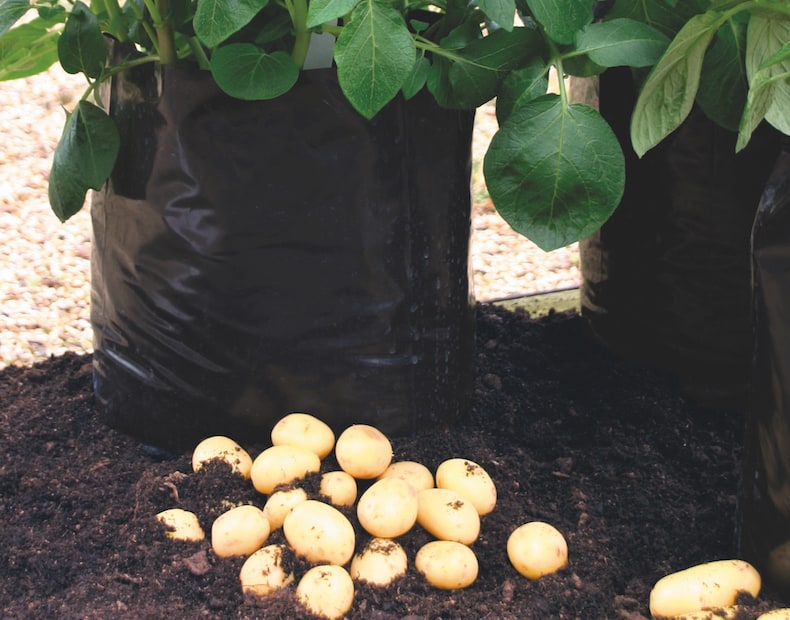
Growing Potatoes in Bags: A Beginner’s Guide
Are you tired of limited space for gardening? Do you want to grow delicious, natural potatoes without breaking the bank or dedicating a large area of your backyard to potato cultivation? Look no further! Growing potatoes in bags is an excellent solution for small-space gardeners and those who prefer a hassle-free approach. In this article, we’ll explore the benefits of growing potatoes in bags, provide a step-by-step guide, and discuss when to start planting.
What are the Benefits of Growing Potatoes in Bags?
Growing potatoes in bags offers several advantages over traditional potato cultivation methods:
- Space-saving: Bags can be placed on balconies, patios, or even indoors, making them an ideal choice for small spaces.
- Easy to care for: Bags provide a controlled environment, reducing the risk of pests and diseases that can affect potatoes grown in open fields.
- Reduced pesticide use: Growing potatoes in bags allows you to harvest natural, pesticide-free tubers.
Choosing the Right Materials
To get started, you’ll need:
- A bag or container with good drainage (e.g., a plastic bin, a jute sack, or an old grocery bag)
- Fertile soil
- Potatoes germogliate (you can purchase these at most garden centers or grow your own from seed potatoes)
Preparing the Soil and Planting
To create a fertile environment for your potato plants:
- Fill half of the bag with well-draining, fertile soil.
- Place the potatoes in the soil, spaced about 6-8 inches apart.
- Cover the potatoes with more soil, leaving only a few inches exposed.
- Water gently but thoroughly.
Caring for Your Potato Plants
To ensure healthy growth and high yields:
- Keep the soil consistently moist but not waterlogged.
- Add more soil as needed to maintain a depth of about 8-10 inches.
- Harvest your potatoes when the leaves are dry and wilted.
Tips and Considerations
When growing potatoes in bags, keep these tips in mind:
- Choose varieties that are suitable for container gardening.
- Avoid overwatering, which can lead to rot and other problems.
- Keep an eye out for pests like aphids and slugs.
Choosing the Right Potatoes
Not all potato varieties are created equal when it comes to container gardening. Look for compact or dwarf varieties that are specifically bred for small spaces. Some popular options include:
- ‘Red Thumb’ – a high-yielding variety with red skin and white flesh.
- ‘Nicola’ – a popular choice for containers, with yellow skin and white flesh.
- ‘Kerry Purple’ – a compact variety with purple skin and white flesh.
When to Start Planting
The best time to start growing potatoes in bags depends on your location and climate. In general:
- In temperate climates, plant potatoes in late winter or early spring (February-March).
- In warmer climates, plant potatoes in the fall (September-October).
If you’re new to container gardening, it’s a good idea to start with a hardy variety that can tolerate some frost. Look for varieties like ‘Nicola’ or ‘Kerry Purple’, which are well-suited for cooler climates.
Common Mistakes to Avoid
When growing potatoes in bags, there are several common mistakes to avoid:
- Overwatering: This is the most common mistake made by container gardeners. Make sure to check the soil regularly and only water when it feels dry to the touch.
- Insufficient sunlight: Potatoes need at least 6 hours of direct sunlight per day to produce a good crop. If your bag is not getting enough sunlight, consider moving it to a sunnier location.
- Pests and diseases: Keep an eye out for pests like aphids and slugs, which can quickly destroy your potato crop.
Harvesting Your Potatoes
When the leaves of your potato plants are dry and wilted, it’s time to harvest your tubers. Here’s how:
- Carefully dig around the base of the plant with a fork, making sure not to damage the tubers.
- Lift the bag out of the soil and gently shake off any excess dirt.
- Inspect the tubers for size and quality. Look for firm, smooth skin with no signs of rot or disease.
Conclusion
Growing potatoes in bags is a great way to enjoy this delicious and nutritious crop without breaking a sweat. By following these simple steps and tips, you can enjoy a bountiful harvest of natural, pesticide-free potatoes in the comfort of your own home.
Whether you’re a seasoned gardener or just starting out, growing potatoes in bags is a fun and rewarding experience that’s sure to delight. So why not give it a try today?
Frequently Asked Questions
- What is the best variety of potato for container gardening?
- Look for compact or dwarf varieties that are specifically bred for small spaces.
- How long does it take to grow potatoes in bags?
- Potatoes typically mature in 70-100 days.
- Can I use potato seeds instead of seed potatoes?
- No, it’s best to use certified disease-free seed potatoes for optimal yields.
- What pests might affect my potato plants?
- Watch out for aphids, slugs, and other pests that can harm your potato crops.
By following these guidelines and tips, you’ll be well on your way to growing delicious, natural potatoes in bags. Happy gardening!


