
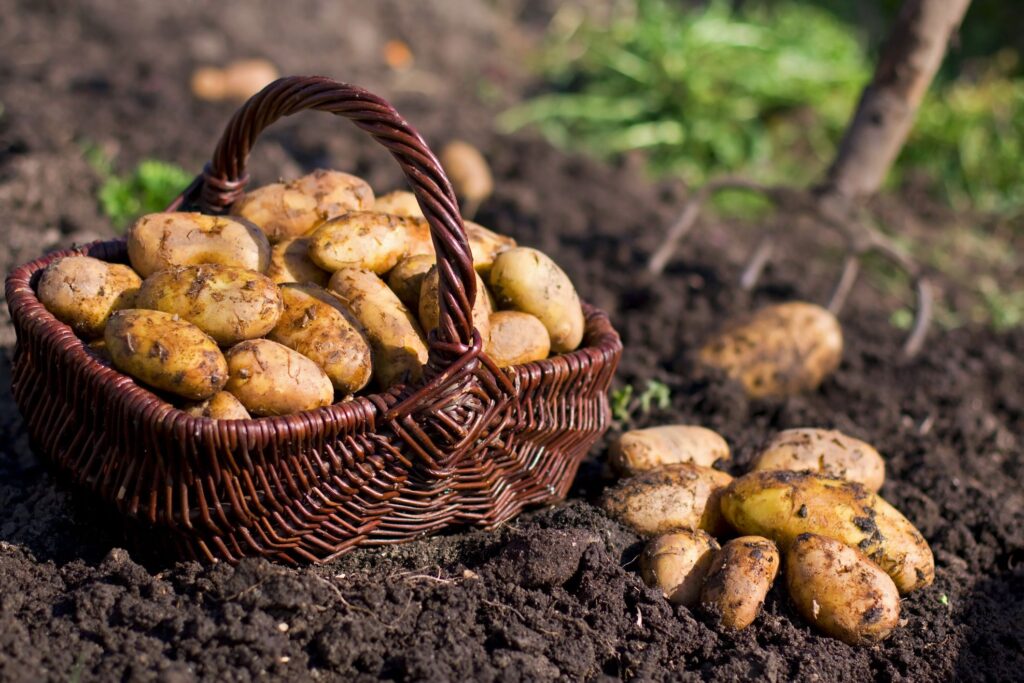
Growing Potatoes at Home: A Beginner’s Guide
Are you tired of buying potatoes from the supermarket? Why not try growing your own at home? With a little bit of effort and the right equipment, you can enjoy a bountiful harvest of delicious potatoes right in your own backyard. In this article, we’ll show you how to grow potatoes in a pot or container, perfect for small spaces like balconies and patios.
Getting Started
Before we dive into the nitty-gritty of growing potatoes, let’s talk about why it’s such a great idea. Potatoes are one of the easiest vegetables to grow, and they don’t require a lot of space or special equipment. Plus, they’re incredibly versatile – you can boil them, bake them, mash them, or use them in all sorts of recipes.
But before you start growing potatoes, there are a few things you’ll need to get started. Don’t worry, we’ve got you covered!
What You’ll Need
- A container with good drainage (like a bucket or pot)
- Potting soil or compost
- Seeds or seed potatoes
- Water
- Optional: fertilizer and pest control
Choosing the Right Container
When it comes to choosing a container for your potato plants, there are a few things to keep in mind. You’ll want something with good drainage, as potatoes don’t like wet feet! A bucket or pot with holes in the bottom is perfect for this.
Preparing the Soil
Now that you’ve got your container, it’s time to prepare the soil. Most potato plants prefer well-draining, fertile soil that’s rich in organic matter. You can use a mix of potting soil and compost to create the perfect growing medium.
Planting Your Potatoes
Now it’s time to plant your potatoes! Here’s how:
- Fill the bottom quarter of the container with water.
- Add a layer of soil or compost, followed by a few seed potatoes (about 1-2 inches deep).
- Cover the seeds with more soil and water thoroughly.
- Repeat steps 2-3 until the container is about half full.
As the plants grow, you’ll need to add more soil to keep them from getting too top-heavy. But that’s it! With a little bit of care and attention, your potatoes should be ready to harvest in about three months.
What to Expect
So what can you expect when growing potatoes? Here are a few things to look out for:
- Leaf Color Change: As the plants grow, the leaves will start to turn yellow. This is a sign that the potatoes are ready to harvest!
- Growth Patterns: Keep an eye on your potato plants as they grow. They should be about 6-8 inches tall by now.
- Pests and Diseases: Watch out for pests like aphids, slugs, and snails, which can damage your potato plants.
Tips and Tricks
Here are a few tips and tricks to help you grow the best potatoes ever:
- Make sure the soil is moist but not waterlogged.
- Add fertilizer to give your potatoes an extra boost of nutrients.
- Keep an eye out for pests and diseases, and take action if necessary!
Growing Potatoes in Small Spaces
Growing potatoes in small spaces like balconies and patios can be a bit tricky. But with the right equipment and techniques, you can still enjoy a bountiful harvest! Here are a few tips:
- Use a Container: Choose a container that’s specifically designed for growing potatoes.
- Provide Good Drainage: Make sure your container has good drainage holes to prevent waterlogged soil.
- Keep it Moist: Keep the soil moist but not waterlogged.
Conclusion
Growing potatoes at home is easier than you think! With the right equipment and techniques, you can enjoy a bountiful harvest of delicious potatoes right in your own backyard. Whether you’re growing them on your balcony or patio, or in a container in your living room, potatoes are the perfect crop for small spaces.
Frequently Asked Questions
Q: How long does it take to grow potatoes?
A: Potatoes typically take about 3 months to mature from planting to harvest.
Q: What kind of soil do potatoes like?
A: Potatoes prefer well-draining, fertile soil that’s rich in organic matter.
Q: Can I grow potatoes indoors?
A: Yes, you can grow potatoes indoors using a container and some creative growing techniques!
Q: How often should I water my potato plants?
A: Keep the soil moist but not waterlogged. Aim for about 1 inch of water per week.
Q: What kind of pests and diseases can affect potatoes?
A: Watch out for aphids, slugs, snails, and other pests that can damage your potato plants. Regularly inspect your plants for signs of disease or pest infestation.
Q: How do I know if my potatoes are ready to harvest?
A: Check the leaves – when they turn yellow, it’s a sign that the potatoes are ready to harvest!
Q: Can I grow multiple types of potatoes together?
A: Yes, you can grow multiple types of potatoes together in the same container. Just make sure to plant them at different depths and keep the soil moist!
Choosing the Right Variety
When it comes to choosing a variety of potato, there are a few things to consider. Do you want high-yielding varieties that produce lots of small spuds? Or do you prefer heritage varieties that produce fewer but larger potatoes?
Some popular varieties for beginners include:
- Russet Burbank: A high-yielding variety that produces large, Russet-style potatoes.
- Yukon Gold: A medium-sized variety that produces golden-yellow potatoes with a sweet flavor.
- Red Thumb: A heritage variety that produces small, red-skinned potatoes with a nutty flavor.
Tips for Improving Yield
Want to maximize your potato yield? Here are a few tips:
- Make sure the soil is rich in nutrients and has good drainage.
- Plant multiple rows of potatoes to increase yields.
- Use row covers or other forms of mulch to retain heat and moisture.
- Monitor your plants regularly for signs of disease or pests.
Growing Potatoes from Seed
If you’re new to growing potatoes, it’s often easier to start with seed potatoes. These are small pieces of potato that have at least one “eye” each, and they’re specifically designed for planting. Here’s how to grow potatoes from seed:
- Choose a container with good drainage.
- Plant the seeds about 2-3 inches deep in the soil.
- Water thoroughly and keep the soil moist but not waterlogged.
- Repeat steps 2-3 until the container is about half full.
As the plants grow, you’ll need to add more soil to keep them from getting too top-heavy. But that’s it! With a little bit of care and attention, your potatoes should be ready to harvest in about three months.
Harvesting Your Potatoes
Finally, it’s time to harvest your potatoes! Here are a few tips:
- Check the leaves – when they turn yellow, it’s a sign that the potatoes are ready to harvest!
- Carefully dig around each plant with a fork or spade.
- Lift out the entire container and wash the potatoes gently in cold water.
And there you have it – a bountiful harvest of delicious potatoes from your very own backyard!


