
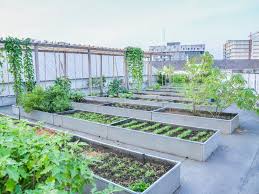
Are you interested in growing plants, but don’t have access to a green space? You’re not alone! With a little creativity and the right strategies, you can still enjoy a thriving garden on your balcony or patio. In this article, we’ll explore some essential tips for cultivating beautiful plants, from flowering ornamentals to fruit trees.
Understanding Your Space: Climate and Exposure
Before you start planting, it’s crucial to consider the climate and exposure of your balcony or patio. You want to choose plants that will thrive in these conditions and provide the right amount of sunlight and shade. Here are a few questions to ask yourself:
- What is the average temperature and humidity level on my balcony or patio?
- How much direct sunlight does my space receive throughout the day?
- Are there any shaded areas where plants can receive dappled light?
By answering these questions, you’ll be better equipped to select plants that will adapt to your unique environment.
Ornamental Plants for Balcony Gardens
While many people think of gardening as a full-time commitment, there are plenty of low-maintenance options that still provide stunning color and texture. Here are some popular ornamental plants that thrive on balconies and patios:
- Roses: Compact varieties like ‘Snow Pavement’ or ‘Radrazz’ make great balcony roses.
- Clematis: These flowering vines can be trained to climb up walls, trellises, or even a balcony railing.
- Geraniums: With their delicate flowers and attractive foliage, geraniums are perfect for adding a pop of color to your space.
On the other hand, some plants may not tolerate frost or extreme temperatures. For example:
- Azaleas: While these flowering shrubs can add vibrant colors to your garden, they require protection from harsh winter conditions.
- Ficus: These tropical trees can grow well in containers, but their delicate roots may struggle with cold temperatures.
Tips for Successful Planting
When planting on a balcony or patio, remember the following tips:
- Choose compact or dwarf varieties that won’t outgrow your space.
- Select plants that are resistant to pests and diseases common in urban areas.
- Consider using self-watering containers to reduce maintenance needs.
- Don’t overcrowd your plants – give them enough space to breathe!
Fruit Trees for Small Spaces
While it may seem counterintuitive, you can still grow fruit trees on a balcony or patio. However, be aware that these plants require more specialized care:
- Dwarf apple trees: These compact varieties are specifically bred for small spaces and can thrive in containers.
- Fig trees: With their spreading branches and attractive foliage, fig trees make great additions to any balcony garden.
When growing fruit trees on a balcony or patio, keep the following tips in mind:
- Choose a container that is at least 12-18 inches deep to accommodate the tree’s root system.
- Ensure your plants receive sufficient sunlight (at least 6 hours of direct sun) and water regularly.
- Consider using a trellis or support system to train the tree’s branches.
Choosing the Right Containers
When it comes to containers, you have several options:
- Terracotta pots: These classic containers are perfect for plants that require good drainage. Just be sure to waterproof them first!
- Self-watering planters: These clever containers allow excess water to drain while keeping your plants hydrated.
- Hanging baskets: Perfect for trailing plants like ivy or ferns, hanging baskets add a touch of whimsy to any balcony garden.
Using the Right Fertilizers
Fertilizers play an essential role in promoting healthy plant growth. Here are some tips for choosing the right fertilizers:
- Organic fertilizers: These environmentally friendly options include compost, manure, and worm castings.
- Balanced fertilizers: Look for formulas that contain equal amounts of nitrogen, phosphorus, and potassium (NPK).
- Specialized fertilizers: If you’re growing fruit trees or other specific plants, consider using a fertilizer specifically formulated for those needs.
Pest Control and Pruning
To keep your balcony garden healthy and pest-free, remember the following tips:
- Regularly inspect your plants for signs of pests like aphids, whiteflies, or spider mites.
- Use organic pest control methods whenever possible, such as neem oil or insecticidal soap.
- Prune your plants regularly to maintain shape, promote growth, and encourage fruiting.
Seasonal Care
As the seasons change, your balcony garden will need adjustments. Here are some tips for caring for your plants during different times of the year:
- Spring: Fertilize your plants, prune dead or damaged branches, and divide overgrown plants.
- Summer: Water more frequently, provide shade for sensitive plants, and control pests.
- Fall: Harvest fruits and vegetables, fertilize again, and protect your plants from frost.
- Winter: Bring potted plants indoors, use a frost blanket to shield them from harsh winds, and prune evergreen shrubs.
Conclusion: Bringing Greenery to Your Balcony or Patio
Growing plants on a balcony or patio can be a rewarding experience, even for those with limited space. By understanding your environment, choosing the right plants, and following simple care tips, you can enjoy a thriving garden all year round.
Whether you’re looking to add some color, texture, or even fruit to your outdoor space, we hope this guide has provided you with the inspiration and information needed to get started.
Frequently Asked Questions
Q: What is the best way to care for my balcony plants during the winter months?
A: Most balcony plants can tolerate frost, but it’s essential to protect them from extreme cold temperatures. Consider bringing potted plants indoors or using a frost blanket to shield them from harsh winds.
Q: How often should I water my fruit trees on a balcony?
A: Fruit trees require consistent moisture, especially when they’re producing fruit. Water your trees regularly during the growing season (spring-fall), but avoid overwatering, which can lead to root rot and other issues.
Q: Can I grow plants in a container that is only 6 inches deep?
A: Yes, you can still grow plants in shallow containers, but it’s essential to choose varieties that are compact or dwarf. Also, be aware that these plants may require more frequent watering and fertilization.
Q: How do I prevent pests from damaging my balcony plants?
A: Regularly inspect your plants for signs of pests like aphids, whiteflies, or spider mites. Use organic pest control methods whenever possible, such as neem oil or insecticidal soap, to keep your plants healthy and pest-free.
Q: Can I grow a full-sized tree on a balcony?
A: Unfortunately, most trees require more space than a typical balcony can provide. However, there are many compact or dwarf varieties that can thrive in containers, making them perfect for small spaces.


