
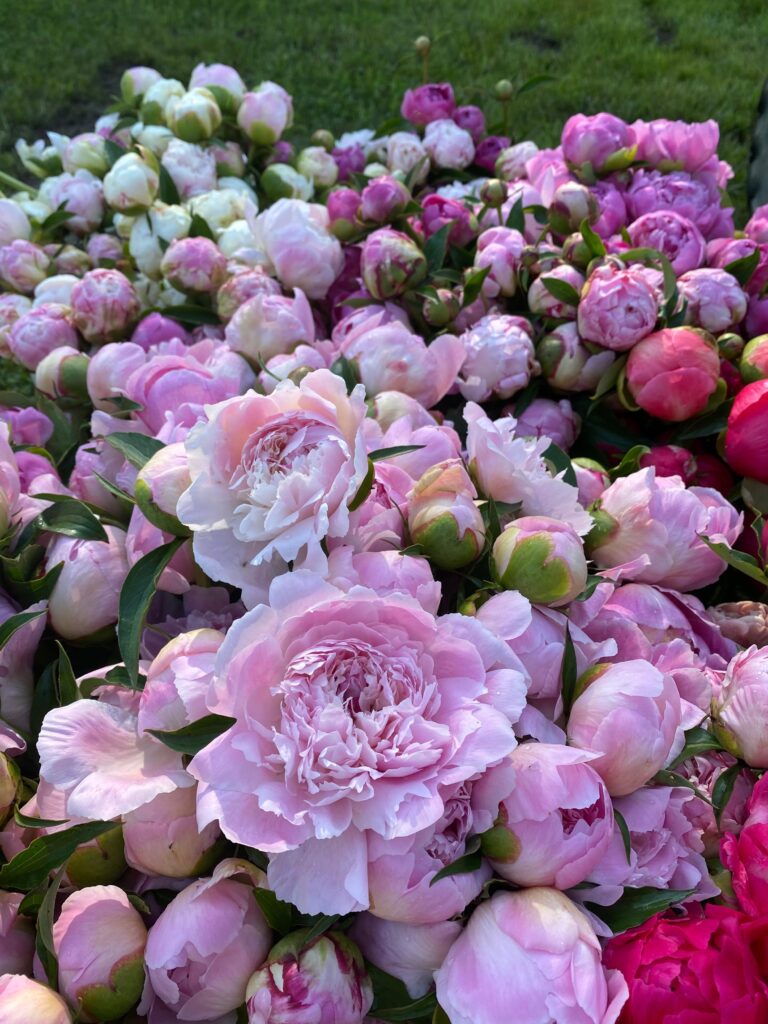
As a gardener, few flowers evoke the same sense of wonder and awe as the majestic peony. With its lush foliage, vibrant blooms, and delicate fragrance, it’s no wonder why this ancient flower has captivated gardeners for centuries. But growing peonies can be a daunting task, especially for those new to gardening. In this comprehensive guide, we’ll delve into the world of peonies, exploring their various forms, cultivation requirements, and care tips to ensure you’re well on your way to becoming a master peony grower.
Understanding Peony Types
Before diving into the nitty-gritty of growing peonies, it’s essential to understand the different types that exist. There are two primary categories: arbustive and herbaceous peonies.
- Arbustive Peonies: These stately flowers boast a sturdy stem, reaching heights of up to 2 meters (6.5 feet). They produce showy blooms in shades of pink, white, and red, often accompanied by a sweet fragrance.
- Herbaceous Peonies: In contrast, these flowers have a more delicate appearance, with stems that typically reach a maximum height of 100 cm (3.3 feet). While they may not be as statuesque as their arbustive counterparts, herbaceous peonies are just as charming and produce stunning blooms in a range of colors.
Choosing the Right Location
When it comes to growing peonies, location is key. Both arbustive and herbaceous varieties prefer well-draining soil and full sun to partial shade. However, herbaceous peonies may require more protection from intense sunlight, which can cause scorched leaves.
To ensure optimal growth, select a spot with:
- Well-draining soil: Peonies are sensitive to waterlogged conditions, so it’s essential to choose a location with excellent drainage.
- Full sun to partial shade: Both types of peonies benefit from plenty of sunlight, but herbaceous varieties may require more filtered light.
Watering and Irrigation
Proper watering is crucial for peony growth. Aim to provide about 1 inch (2.5 cm) of water per week, either through rainfall or irrigation. Avoid overwatering, which can lead to root rot and other issues.
Here are some tips to keep in mind:
- Water deeply: Peonies have a deep taproot, so it’s essential to provide enough moisture to encourage healthy growth.
- Avoid getting water on the leaves: Try to avoid splashing water on the foliage, as this can cause fungal diseases and other issues.
Fertilizing Your Peonies
Feeding your peonies is an excellent way to promote healthy growth and maximize blooms. Here are some tips for fertilizing:
- Use a balanced fertilizer: Look for a fertilizer with a balanced NPK ratio (e.g., 10-10-10) that provides equal amounts of nitrogen, phosphorus, and potassium.
- Apply in the spring: Fertilize your peonies in early spring, when new growth begins.
Pruning and Deadheading
Pruning and deadheading are essential tasks for maintaining your peonies’ health and appearance. Here’s what you need to know:
- Prune in late winter or early spring: Cut back stems to about 6-12 inches (15-30 cm) from the ground after they’ve finished blooming.
- Deadhead regularly: Remove spent blooms to encourage new flowers to form.
Common Problems and Solutions
While growing peonies can be a rewarding experience, it’s not without its challenges. Here are some common problems and solutions:
- Fungal diseases: Fungal diseases like powdery mildew and leaf spot can be caused by overwatering or poor air circulation. Use fungicides and practice good hygiene to prevent the spread.
- Pests: Pests like aphids, slugs, and snails can damage peonies’ foliage and blooms. Use natural pest control methods whenever possible.
Tips for a Successful Peony Harvest
If you’re lucky enough to have healthy, thriving peonies in your garden, here are some tips for harvesting their beautiful blooms:
- Pick fresh: Cut stems just above the leaf node (where the stem meets the leaf) and tie them securely with twine or wire.
- Dry promptly: Tie stems together and hang them upside down to dry quickly.
Peony FAQs
Here are some frequently asked questions about growing peonies:
- What is the best way to care for my peony plants?
- Provide well-draining soil, full sun to partial shade, and regular watering.
- How often should I fertilize my peonies?
- Feed your peonies in early spring with a balanced fertilizer.
- What is the best way to prune my peonies?
- Prune in late winter or early spring, cutting back stems to about 6-12 inches (15-30 cm) from the ground.
- How do I protect my peonies from pests and diseases?
- Use natural pest control methods whenever possible, and practice good hygiene to prevent the spread of fungal diseases.
Growing peonies can be a delightful experience, but it requires attention to detail and patience. By following these guidelines and tips, you’ll be well on your way to becoming a master peony grower. With their stunning blooms and delicate fragrance, it’s no wonder why peonies have been a favorite among gardeners for centuries.
Advanced Tips for Mastering Peony Growing
For those looking to take their peony growing skills to the next level, here are some advanced tips:
- Divide and replant: Divide your peonies every 3-4 years to maintain their health and vigor.
- Use companion planting: Plant complementary flowers like roses and lavender alongside your peonies for added fragrance and beauty.
- Create a pollinator-friendly garden: Plant a variety of flowers that attract bees, butterflies, and other pollinators to create a thriving ecosystem.
Conclusion
Growing peonies is a rewarding experience that requires attention to detail and patience. By understanding the different types of peonies, choosing the right location, and following proper care tips, you’ll be well on your way to becoming a master peony grower. Whether you’re a seasoned gardener or just starting out, these guidelines and tips will help you unlock the full potential of this majestic flower.
With their stunning blooms and delicate fragrance, it’s no wonder why peonies have been a favorite among gardeners for centuries. By mastering the art of growing peonies, you’ll not only add beauty to your garden but also create a haven for pollinators and other wildlife. So, get ready to fall in love with these gorgeous flowers and start growing like a pro!


