
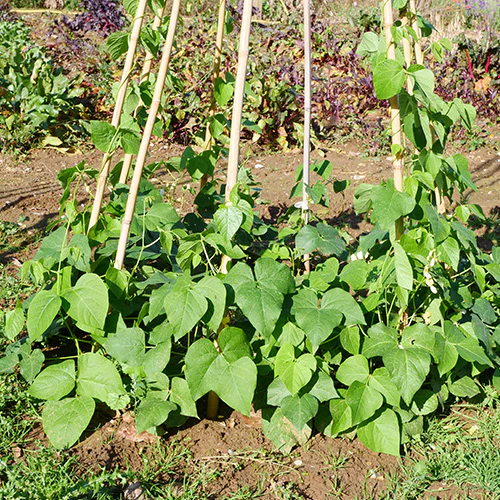
Growing peas can be a delightful and rewarding experience, especially in Italy where they are widely cultivated. With various varieties to choose from, you can pick the one that suits your needs best. In this comprehensive guide, we will walk you through the process of growing peas from seed to harvest.
Choosing the Right Variety
Before you start growing peas, it’s essential to select the right variety. There are three main families of pea varieties: nano, semi-rampicanti (also known as half-cloth), and rampicanti. Each type has its unique characteristics:
- Nano Peas: These compact varieties grow up to 35-60 cm in height, making them ideal for small spaces.
- Half-Cloth Peas (Semi-Rampicants): With an average growth of 70-120 cm, they are the most common variety and suitable for both balconies and gardens. They require supports as they grow.
- Rampicanti: The tallest varieties, reaching up to 150-180 cm in height. They need staking from the beginning.
Growing Peas in Vases
To grow peas in a vase, you’ll need a container with a diameter of at least 12-15 cm. Use fertile soil rich in organic matter and water them regularly. You can purchase pea seeds online or visit a local nursery to get started.
Sowing Pea Seeds
The ideal time to sow pea seeds is from late February to early April, allowing for a June harvest. The optimal temperature range for germination is between 10-24°C.
To sow the seeds:
- Plant them in rows at a depth of 2-3 cm and 5 cm apart.
- Space rows about 40-50 cm apart for nano varieties, 60-80 cm for half-cloth varieties, and 100-120 cm for rampicanti.
Protecting Your Crop from Pests
The primary pest to watch out for is birds, which love snacking on pea seeds. To deter them:
- Use scarecrows or balloons with reflective surfaces.
- Install netting around your plants to prevent birds from reaching the peas.
Harvesting Peas
Peas are ready to harvest when they’re tender and sweet. For optimal flavor, pick them in the morning after the dew has evaporated.
Caring for Your Pea Plants
Regular maintenance will ensure healthy growth:
- Water your pea plants regularly, but avoid overwatering.
- Add compost or manure to maintain soil fertility.
- Use mulch to retain moisture and suppress weeds.
Tips for Successful Peas Growing:
- Proper Support: For climbing peas varieties like rampicanti, use stakes or trellises that are at least as tall as the plant.
- Soil Quality: A well-draining, fertile soil is crucial for healthy pea growth. Consider using organic matter to improve soil structure and fertility.
- Pest Management: Regularly inspect your plants for signs of pests or diseases and take prompt action if necessary.
- Pollination: Ensure adequate pollination by having multiple plants nearby or using a small, furry brush to transfer pollen from one plant to another.
- Harvest Timing: Peas are ready to harvest when the pods are plump, tender, and have an attractive color.
Common Mistakes to Avoid When Growing Peas:
- Incorrect Sowing Depth: Plant pea seeds too deeply, which can lead to weak seedlings that may not survive.
- Overwatering: Water your peas regularly but avoid overwatering, which can cause root rot and other problems.
- Inadequate Support: Failing to provide proper support for climbing varieties can result in damaged or destroyed plants.
- Poor Soil Quality: Growing peas on poorly draining, nutrient-poor soil can lead to poor growth and reduced yields.
Popular Varieties of Peas
- Sugar Snap Peas: These popular garden peas have a sweet, tender snap when bitten into. They are easy to grow and come in various colors including green, yellow, red, and purple.
- Snow Peas: Also known as flat peas, these varieties have flat, wide pods that can be harvested when the peas are still immature. Snow peas are great for stir-fries and other Asian dishes.
- Shelling Peas: Shelling peas, such as garden peas and English peas, are the most commonly consumed variety of pea. They have edible seeds and tender pods.
By following these tips and avoiding common mistakes, you’ll be well on your way to growing delicious, healthy peas in your own garden or even in vases.


