
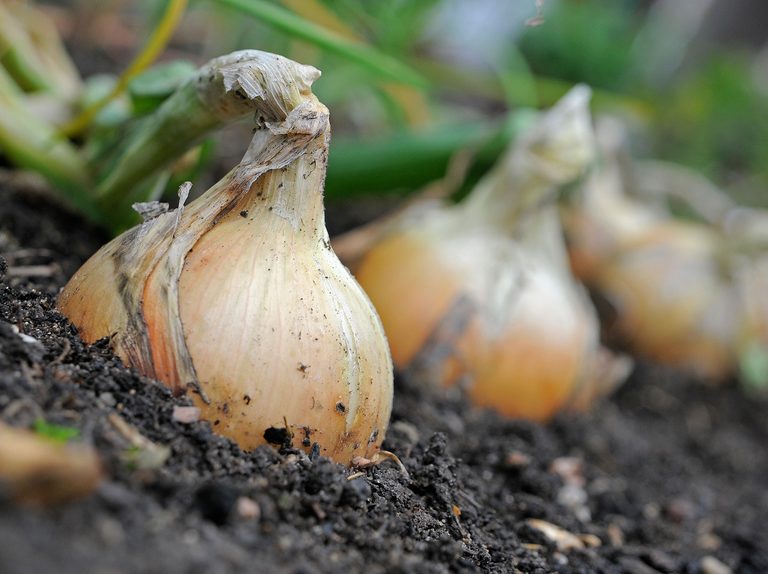
As a cook, you likely rely on onions as a staple ingredient in many of your favorite dishes. But have you ever stopped to think about where these flavorful bulbs come from? Growing your own onions can be a rewarding experience, and with the right guidance, you can enjoy a bountiful harvest of delicious onions right in your own garden or vase.
Why Grow Onions?
Onions are packed with essential nutrients like vitamins, minerals, and antioxidants. They also have antibacterial properties, making them an excellent addition to many meals. Whether you’re looking to add some flavor to your cooking or want to grow a nutritious crop, onions are definitely worth cultivating.
But what if you can’t remember to buy onions? Or perhaps you’ve simply never tried growing them before? Worry not! With the right techniques and knowledge, you can easily cultivate onions in your garden or vase. In this comprehensive guide, we’ll take you through the process of growing onions from seed to harvest.
Sowing Onion Seeds
Before we dive into the nitty-gritty of onion cultivation, let’s start with the basics. To begin, you’ll need to acquire some onion seeds. These tiny packets contain the genetic material necessary for your onion plants to grow. You can purchase onion seeds at most gardening stores or online.
Onion seeds are incredibly small and require a delicate touch when handling them. Be careful not to crush the seeds, as this can lead to poor germination rates. Once you have your seeds, it’s time to sow them!
Choosing the Right Container
If you’re new to growing onions, you may be wondering where to start. The good news is that you don’t necessarily need a large garden space to grow onions. In fact, you can cultivate them in small containers like vases or pots. Just make sure your container has sufficient drainage holes to prevent waterlogged soil.
For optimal growth, choose a pot with at least 20 cm of diameter and 30 cm of depth. This will provide enough room for your onion plants to grow without becoming too crowded.
Sowing Onions in Soil
Now that you have your seeds and container, it’s time to sow the onions in soil. Begin by preparing a soft, organic-rich potting mix specifically designed for onion cultivation. If you’re using a store-bought potting mix, look for one that contains ingredients like compost or peat moss.
Sow 3-4 onion seeds per container, about 1 cm deep and spaced evenly apart. Cover the seeds with a thin layer of soil, making sure not to bury them too deeply. Water the soil gently but thoroughly, ensuring it’s moist but not waterlogged.
The Germination Process
As you wait for your onions to germinate, keep an eye out for signs of growth. Onions typically take 1-2 weeks to sprout after sowing. Once they have emerged, make sure to provide them with adequate light and warmth.
During this stage, avoid overwatering, as onions are prone to root rot in moist conditions. Keep the soil consistently moist but not saturated, using a gentle watering schedule to ensure optimal growth.
Caring for Onion Plants
As your onion plants grow, they’ll require regular care to promote healthy development. Here are some tips to keep in mind:
- Watering: Water your onions regularly, making sure the soil is consistently moist but not waterlogged.
- Fertilization: Feed your onions with a balanced fertilizer once a month to provide essential nutrients for growth.
- Pruning: Remove any dead or dying leaves to prevent disease and promote healthy growth.
Harvesting Onions
After several months of careful nurturing, it’s time to harvest your onions. The timing of the harvest depends on factors like weather conditions, soil quality, and onion variety.
Typically, onions take 3-4 months to mature from sowing to harvest. Check for readiness by gently brushing away the soil around the onion bulb. If the top of the plant is yellowing or browning, it’s likely time to harvest.
Common Questions About Growing Onions
Here are some frequently asked questions about growing onions that we’ve compiled:
- Q: How often should I water my onions?
- A: Water your onions regularly, making sure the soil is consistently moist but not waterlogged.
- Q: Can I grow onions indoors?
- A: Yes, you can cultivate onions in indoor containers like vases or pots. Just make sure they receive adequate light and warmth.
- Q: How do I know when my onions are ready to harvest?
- A: Check for readiness by gently brushing away the soil around the onion bulb. If the top of the plant is yellowing or browning, it’s likely time to harvest.
Tips for Growing Onions
Here are some additional tips to keep in mind:
- Soil pH: Onions prefer a slightly acidic to neutral soil pH (5.5-7.0). Avoid growing onions in areas with extremely high or low pH levels.
- Sunlight: Onions require full sun to partial shade, depending on the variety. Choose a location that receives at least 4-6 hours of direct sunlight per day.
- Mulching: Mulch around your onion plants to retain moisture and suppress weeds.
Varieties of Onions
There are many different varieties of onions available for growing, each with its own unique characteristics. Here are some popular options:
- Yellow Onions: These are the most common type of onion and have a mild flavor.
- Red Onions: These have a sweeter, milder flavor than yellow onions and are often used in salads and sandwiches.
- Shallots: These are smaller than regular onions and have a sweet, mild flavor.
Conclusion
Growing your own onions can be a rewarding experience that offers numerous benefits for you and your garden. With proper care and attention, you can enjoy a bounty of delicious, nutritious onions right in your own backyard. Happy growing!


