
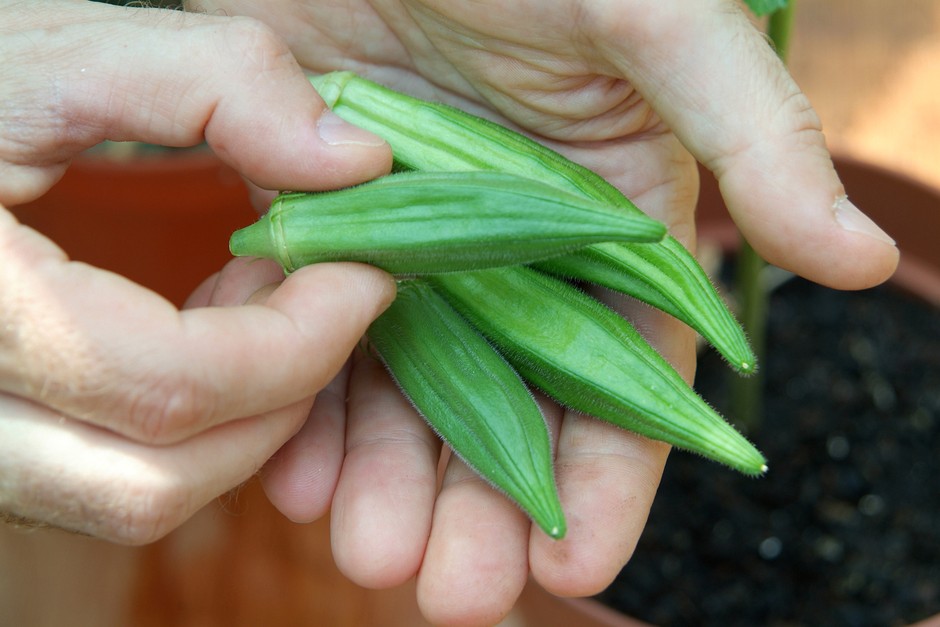
Okra, also known as gombo or okro, is a nutritious vegetable native to Africa. Its scientific name is Abelmoschus esculentus. Okra has been widely cultivated in various parts of the world, including Brazil, where it’s often referred to as quiabo.
Why Grow Okra?
Okra is not only delicious but also packed with nutrients like vitamins A and C, potassium, and fiber. It’s a great addition to any meal, especially in traditional cuisines like Bulgarian, Brazilian, Japanese, Filipino, Romanian, Ghanaian, and Bosnian cooking. The versatile okra can be used in a variety of dishes, from soups and stews to salads and stir-fries.
Interesting Facts about Okra
- Okra is closely related to the hibiscus plant.
- The okra flower is similar to that of the hibiscus plant.
- Okra leaves are edible and can be used in salads or cooked like spinach.
- In some cultures, okra is considered a delicacy.
When to Plant Okra
Okra prefers warm weather with temperatures between 22°C and 25°C (72°F and 77°F). In the Northern regions, it’s best to plant in late spring or early summer. In Southern regions, you can start planting as early as mid-March to early April.
How to Grow Okra
Choosing the Right Location
- Choose a spot with full sun (at least 6 hours of direct sunlight) and well-draining soil.
- If growing indoors, use a south-facing window or grow lights.
- Avoid planting okra in areas with standing water or where water tends to collect.
Preparing the Soil
- Use a fertile soil mix with a pH between 6.0 and 7.0.
- Add compost or fertilizer to improve soil fertility.
- Test your soil to determine its nutrient content and adjust accordingly.
Sowing Okra Seeds
- Plant okra seeds 1-2 inches deep and 3-4 inches apart in rows that are 30-40 cm (12-16 inches) apart.
- Use biodegradable pots or containers, and transplant seedlings when they have 3-4 sets of leaves.
- Plant seeds in late spring or early summer for optimal growth.
Germination Time
- Seeds typically take 7-10 days to germinate in warm temperatures (above 20°C).
- In cooler temperatures, germination may take up to 14 days.
- Provide adequate moisture during the germination period to ensure healthy seedlings.
How to Care for Okra Plants
- Water plants regularly, but avoid overwatering. Okra prefers moist soil but can be susceptible to root rot if the soil is too wet.
- Mulch around the base of the plants to retain moisture and suppress weeds.
- Train vines to grow upwards using trellises or stakes.
Fertilizing Okra
- Feed okra plants with a balanced fertilizer (10-10-10 NPK) once a month.
- Side-dress with potassium-rich fertilizers during fruiting stages to promote healthy growth and fruit production.
- Avoid overfertilizing, as this can lead to weak growth and reduced yields.
Common Challenges When Growing Okra
- Pests like aphids, whiteflies, and spider mites can damage leaves and reduce yields.
- Diseases like powdery mildew and anthracnose can also affect okra plants.
- Extreme weather conditions like frost or heatwaves can impact plant growth.
Managing Pests
- Use organic pest control methods whenever possible to minimize harm to beneficial insects.
- Inspect plants regularly for signs of pests, such as holes in leaves or white powdery patches on the underside of leaves.
- Spray infested areas with water to wash away pests and prevent further damage.
Managing Diseases
- Regularly inspect plants for signs of disease like yellowing leaves, black spots, or powdery mildew.
- Remove infected leaves or stems immediately to prevent the spread of disease.
- Use fungicides specifically designed for okra if necessary.
Protecting from Extreme Weather Conditions
- Cover okra plants with row covers during frosty periods to protect them from damage.
- Bring potted okra plants indoors or provide additional protection like a cold frame to shield them from extreme heat.
Harvesting Okra
- Okra pods typically take 60-90 days to mature after planting seeds.
- Regular harvesting encourages the plant to produce more fruit.
- Use scissors or a sharp knife to snip off pods at the stem, leaving about 1 inch of stem attached.
- Cut back the plant when it reaches the desired height for continued production.
Conclusion
Growing okra is relatively easy, and with proper care, you can enjoy this nutritious vegetable in your own kitchen. Remember to provide enough sunlight, water regularly, and fertilize plants to promote healthy growth and fruit production.
Frequently Asked Questions (FAQs)
- What are the best varieties of okra for home gardening?
- Some popular varieties include ‘Clemson Spineless’, ‘Lady Finger’, and ‘Red Burgundy’.
- When choosing a variety, consider factors like climate tolerance, disease resistance, and growth habit.
- Can I grow okra in containers?
- Yes, but make sure to use a large enough container with good drainage.
- Keep the soil moist and provide adequate sunlight for optimal growth.
- How often should I fertilize my okra plants?
- Feed plants with a balanced fertilizer once a month, and side-dress with potassium-rich fertilizers during fruiting stages.
- Avoid overfertilizing, as this can lead to weak growth and reduced yields.
- What are some common pests that affect okra plants?
- Aphids, whiteflies, spider mites, and hornworms can damage okra leaves and reduce yields.
- Use organic pest control methods whenever possible to minimize harm to beneficial insects.
-
Can I grow okra in zones with harsh winters?
- No, okra is a warm-season crop and cannot tolerate frost or freezing temperatures.
- In regions with mild winters, you can plant okra seeds in late spring for an early summer harvest.
-
How do I prevent diseases from affecting my okra plants?
- Regularly inspect plants for signs of disease like powdery mildew or anthracnose.
- Remove infected leaves or stems immediately to prevent the spread of disease.
- Can I use compost tea to fertilize my okra plants?
- Yes, but make sure the compost tea is not too concentrated and can be diluted with water before applying it to plants.
-
How long does it take for okra plants to mature?
- Okra pods typically take 60-90 days to mature after planting seeds.
-
Can I grow okra in zones with cooler winters?
- Yes, but consider growing okra varieties that are tolerant of cooler temperatures or using cold frames to protect the plants.
- How do I propagate okra seedlings?
- You can propagate okra seedlings from cuttings taken from established plants.
-
Use rooting hormone to enhance rooting and water cuttings regularly until roots develop.
-
Can I grow okra in hydroponics?
-
Yes, but make sure the growing medium is well-draining and the nutrient solution is balanced for optimal plant growth.
-
How do I store harvested okra?
- Store okra pods in a cool, dry place to maintain freshness.
-
Use paper bags or breathable containers to prevent moisture buildup.
-
Can I use okra as a pest repellent?
- Yes, the leaves and seeds of the okra plant contain compounds that repel certain pests like aphids and whiteflies.
-
Plant okra in your garden to create a natural barrier against these pests.
-
How do I use okra in traditional medicine?
- Okra has been used for centuries in traditional medicine to treat various ailments, including digestive issues and skin conditions.
-
Consult with a healthcare professional before using okra or any other herbal remedy.
-
Can I grow okra in zones with high altitudes?
- Yes, but consider growing okra varieties that are adapted to cooler temperatures and lower humidity.
- Use containers or provide additional protection like row covers to shield the plants from extreme weather conditions.


