
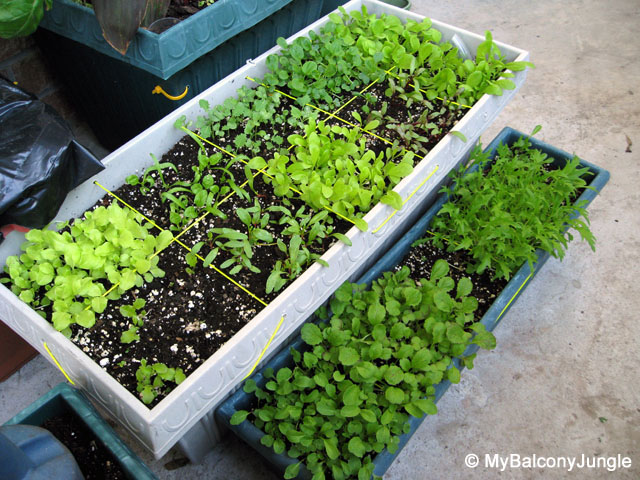
Are you looking for a way to add some freshness and flavor to your salads without breaking the bank? Look no further than growing your own wild greens on your balcony! Not only is it an eco-friendly option, but it’s also incredibly easy to do. In this article, we’ll take you through the steps of growing wild greens from seed to plate.
What are Wild Greens?
Wild greens are a mix of herbs that are commonly used in traditional Lazio cuisine. They’re a great source of vitamins and minerals, and can be grown on a balcony with minimal care. The classic wild greens include lettuce, pimpinella, wild chicory, wild fennel, harebush, tarassaco, and radicchio.
Benefits of Growing Wild Greens
Growing your own wild greens is not only delicious, but it’s also good for the environment. By choosing to grow your own food, you’re reducing your carbon footprint and avoiding the transportation costs associated with buying fresh produce. Plus, wild greens are incredibly diverse and can be used in a variety of dishes.
Choosing the Right Containers
When it comes to growing wild greens on your balcony, the right containers can make all the difference. Look for rectangular containers that are at least 40 cm deep and clean and dry. Fill them with enriched soil that contains organic substances, and spread a layer of water-resistant material on the bottom to prevent waterlogging.
Preparing the Soil
Before planting your wild greens, it’s essential to prepare the soil. Choose a mix of seeds that are compatible and similar in character. You can buy pre-made packets or create your own blend using separate seeds. Spread the seeds on top of the soil, cover them with a light layer, and press them down gently.
Watering and Maintenance
Wild greens require consistent moisture to grow regularly. Use a nebulizer to keep the soil moist, but make sure not to overcrowd your plants. Give them enough space to grow, and harvest them when they reach 8 cm in height. Cut them off slightly at the beginning of growth to encourage continued growth.
Harvesting Wild Greens
When it comes to harvesting wild greens, the possibilities are endless. Simply cut them off just above a node (the point where the leaf meets the stem), and enjoy! You can use them raw in salads or sauté them with garlic and olive oil for a delicious side dish.
Wild Greens Recipes
One of the best things about growing your own wild greens is the versatility of recipes. Here’s one of our favorite ways to use wild greens:
Ingredients:
- 800g wild greens
- 3 cloves garlic, crushed
- Pepper
- Extra virgin olive oil
Instructions:
- Clean and wash each individual vegetable.
- Cook them in a pan with some water until tender.
- Rinse them well in cold water after filtering through a colander.
- Crush the garlic cloves in a pan with 5 tablespoons of olive oil, adding pepper to taste.
- Mix in the wild greens and cook for another ten minutes.
- Serve hot over toasted bread slices.
Tips for Growing Wild Greens
- Make sure your balcony receives plenty of sunlight (at least 4 hours of direct sunlight per day).
- Keep the soil consistently moist, but not waterlogged.
- Use a variety of seeds to create a diverse and healthy crop.
- Harvest wild greens regularly to encourage continued growth.
- Consider using companion planting to deter pests and improve growth.
Common Pests and Diseases
When growing wild greens on your balcony, it’s essential to be aware of common pests and diseases that can affect your plants. Here are some tips for managing these issues:
- Aphids: Use neem oil or insecticidal soap to control aphid infestations.
- Slugs: Use copper tape or crushed eggshells around the base of your plants to deter slugs.
- Fungal diseases: Improve air circulation and reduce watering to prevent fungal growth.
Fertilizing Your Wild Greens
Wild greens are nutrient-rich and can benefit from a balanced fertilizer. Here’s how to fertilize your wild greens:
- Use a liquid fertilizer that contains micronutrients such as iron, magnesium, and potassium.
- Dilute the fertilizer according to the manufacturer’s instructions.
- Apply the fertilizer once a week during the growing season.
Conclusion
Growing your own wild greens on your balcony is a great way to add some freshness and flavor to your meals while reducing your carbon footprint. With these simple steps, you can be enjoying delicious homegrown wild greens in no time. So why not give it a try? Your taste buds (and the environment) will thank you!
Frequently Asked Questions
-
What type of soil is best for growing wild greens?
Enriched soil that contains organic substances is ideal for growing wild greens. -
How often should I water my wild greens?
Consistently moisten the soil using a nebulizer to encourage regular growth. -
Can I grow wild greens in a small pot?
While it’s possible, wild greens require enough space to grow and spread out. -
What are some common mistakes to avoid when growing wild greens?
Avoid overcrowding your plants and ensuring they receive sufficient sunlight. -
How long does it take for wild greens to mature?
Wild greens typically reach maturity within 3-4 weeks after planting. -
Can I grow wild greens indoors?
Yes, but ensure you provide enough light and maintain a consistent temperature. -
Are there any pests or diseases to watch out for when growing wild greens?
Keep an eye out for common pests like aphids and slugs, as well as fungal diseases that thrive in damp conditions. -
Can I grow wild greens year-round?
In temperate climates, yes; in warmer climates, it’s best to plant in the spring or fall when temperatures are milder.
Growing Wild Greens on a Budget
One of the best things about growing your own wild greens is that you can do it on a budget. Here are some tips for saving money:
- Buy seeds from reputable suppliers.
- Use recycled containers and materials.
- Repurpose old planters or pots to save money.
- Grow multiple varieties of wild greens to increase yields.
Growing Wild Greens with Kids
Growing your own wild greens is a great way to involve kids in gardening. Here are some tips for growing wild greens with children:
- Make it fun! Use colorful containers and decorative accessories to make the experience enjoyable.
- Teach them about the benefits of eating fresh, locally grown produce.
- Encourage them to get involved in planting, watering, and harvesting.
Growing Wild Greens in Container Gardens
If you have limited space on your balcony or patio, consider growing wild greens in a container garden. Here are some tips for creating a successful container garden:
- Use containers that are at least 20 cm deep.
- Choose varieties of wild greens that thrive in containers.
- Ensure good air circulation to prevent fungal diseases.
Conclusion
Growing your own wild greens on your balcony is a great way to add some freshness and flavor to your meals while reducing your carbon footprint. With these simple steps, you can be enjoying delicious homegrown wild greens in no time. So why not give it a try? Your taste buds (and the environment) will thank you!


