
Growing Mint: A Comprehensive Guide to Cultivating Mint at Home
Introduction
Mint is a perennial herb known for its aromatic properties, used in various culinary and medicinal applications. With numerous varieties available, choosing the right type of mint can be overwhelming. In this article, we will explore the different types of mint, their cultivation requirements, and provide guidance on how to grow mint at home.
Understanding Mint Varieties
There are several types of mint, each with its unique characteristics and uses:
- Mentha piperita: Also known as peppermint, this variety is widely cultivated for its cooling effects.
- Mentha spicata: A hybrid of Menta aquatica and Menta viridis, this type is commonly used in cooking and herbal remedies.
- Mentha rotundifolia: Known as pineapple mint, this variety has rounded leaves and a sweet flavor.
- Mentha hierba buena: A popular choice for mojitos, this type of mint has a strong aroma and dark green leaves.
Growing Mint: Tips and Considerations
Choosing the Right Location
When growing mint, it’s essential to provide sufficient sunlight (at least 4-6 hours of direct sunlight) and well-draining soil. Avoid planting in areas with standing water or where water tends to collect.
Soil Requirements
Mint prefers slightly acidic soil pH (around 6.5-7). Add organic matter like compost or manure to improve soil fertility.
Propagation Methods
- Division: Divide mature mint plants into smaller sections, making sure each section has at least one growing point.
- Seeds: Sow seeds directly in the ground after the last frost.
- Cuttings: Take cuttings from mature stems and plant them in a pot filled with moistened soil.
Pest Control
Keep an eye out for pests like aphids, whiteflies, and spider mites. Regularly inspect plants and treat infestations promptly.
Harvesting Mint
Harvest mint leaves regularly to encourage bushy growth and prevent the plant from flowering. Pinch off flower buds before they form to direct the plant’s energy towards leaf production.
Growing Mint in Containers
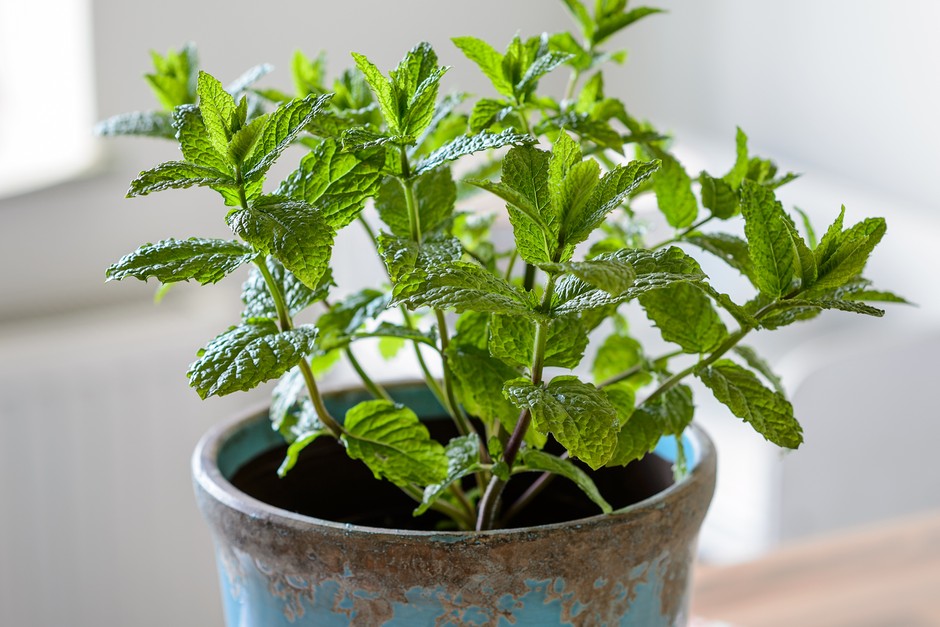
Growing mint in containers can be a great way to control its spread and harvest fresh leaves at will.
- Container Size: Choose a container with a minimum depth of 12-18 inches and a wide enough diameter (around 45 cm).
- Soil: Use a well-draining potting mix specifically designed for mint.
- Watering: Water the soil gently but thoroughly, making sure not to overwater.
Growing Mint Indoors
Growing mint indoors can be a fun and rewarding experience. Here are some tips:
- Lighting: Provide bright, indirect light (east- or west-facing windows work well).
- Temperature: Keep the temperature between 60°F to 80°F (15°C to 27°C).
Tips for Growing Mint in Small Spaces
If you have limited space, consider growing mint in small pots or planters.
- Vertical Gardening: Use a trellis or obelisk to train mint vines upwards.
- Window Boxes: Plant mint in window boxes and enjoy fresh leaves throughout the year.
Growing Mint for Medicinal Purposes
Mint has various medicinal properties, making it an excellent addition to any herbal garden.
- Calming Effects: Peppermint oil can be used as a natural stress reliever.
- Digestive Aid: Spearmint tea can help alleviate digestive issues.
- Cold and Cough Relief: Mint tea or oil can be used as a natural remedy for colds and coughs.
Growing Mint in a Community Garden
Growing mint in a community garden is an excellent way to share knowledge, resources, and fresh herbs with fellow gardeners.
- Participate in Workshops: Attend workshops on herbal gardening, propagation, and pest control.
- Share Seeds and Cuttings: Share seeds and cuttings with fellow gardeners to promote diversity and sustainability.
- Collaborate on Projects: Collaborate on projects like vertical gardening, companion planting, or pollinator gardens.
Conclusion
Growing mint at home can be a delightful experience, especially when combined with the right knowledge and tools. By choosing the right variety, providing optimal growing conditions, and harvesting regularly, you can enjoy the benefits of this wonderful herb in your own backyard.
Frequently Asked Questions (FAQs)
Q: Can I grow mint outdoors year-round?
A: Yes, but it’s essential to choose a variety that thrives in outdoor conditions.
Q: How often should I harvest my mint plant?
A: Regular harvesting encourages bushy growth and prevents flowering.
Q: What is the best way to propagate mint?
A: Division, seeds, or cuttings can be used for propagation.
Q: Can I grow mint indoors?
A: Yes, with proper lighting, temperature control, and potting mix.
Q: How do I prevent pests from infesting my mint plant?
A: Regularly inspect plants and treat infestations promptly.


