
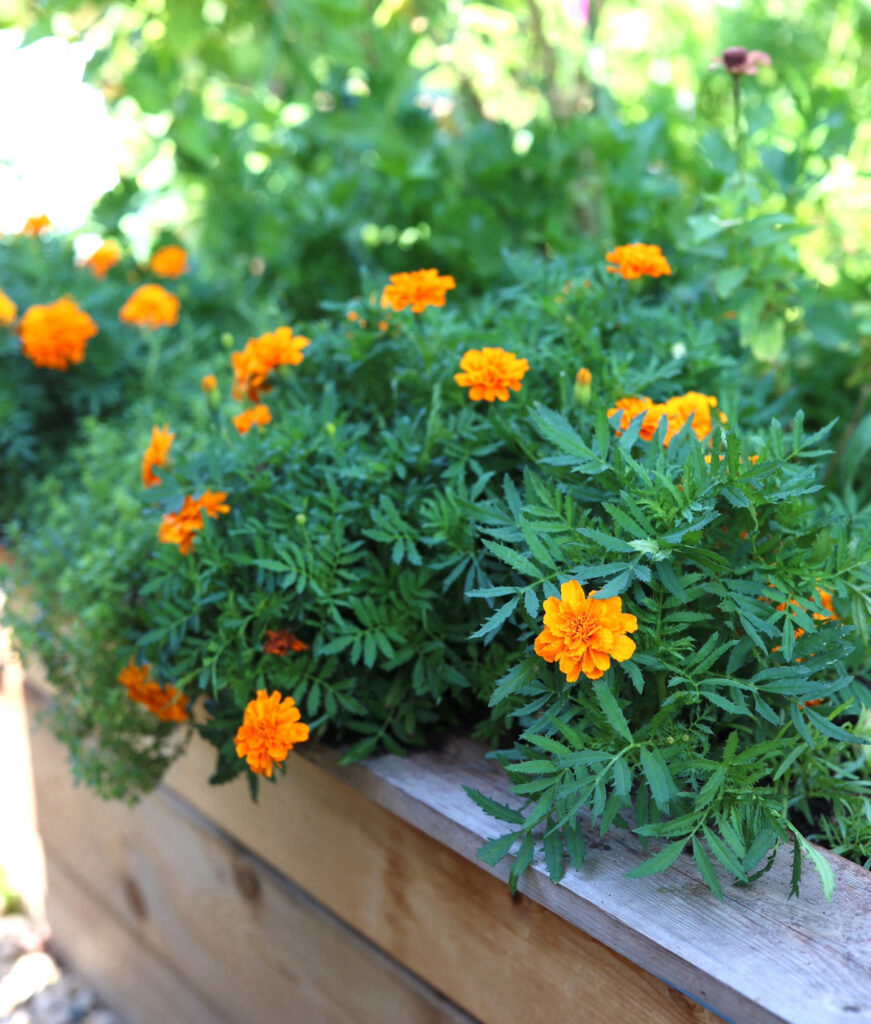
Calendula is a small, perennial plant that can be grown as an annual crop, providing a burst of color and vibrancy to any garden or indoor space. With its beautiful flowers and medicinal properties, calendula has been appreciated for centuries. In this article, we’ll explore the benefits of growing calendula, how to cultivate it successfully, and provide tips and tricks for optimal growth.
What Is Calendula?
Calendula is a genus of plants that includes 12 species and numerous varieties. These plants are native to Europe, North Africa, and the Middle East, where they have been cultivated for centuries for their ornamental and medicinal properties. Calendula is prized for its stunning flowers, which come in a range of colors including yellow, orange, red, and pink.
Benefits of Growing Calendula
Growing calendula offers numerous benefits, both aesthetically and medicinally. The flowering period can provide an abundance of color throughout the summer months, making it an ideal choice for gardeners who want to add some vibrancy to their outdoor spaces. In addition to its ornamental value, calendula has been used for centuries in traditional medicine to treat a range of ailments, including wounds, skin conditions, and digestive issues.
Growing Calendula in Vase
For those who want to grow calendula indoors, it’s essential to provide the right conditions for optimal growth. This includes placing the vase on a windowsill, balcony, or patio where it receives direct sunlight and air circulation. Calendula requires bright light to thrive, but direct sunlight can be too intense, so a south-facing window is ideal.
Choosing the Right Variety
Not all varieties of calendula are suitable for indoor growing. The Calendula officinalis is often used for its medicinal properties, while C. arvensis and C. suffruticosa can be found in their natural state in Italy. When choosing a variety, consider the climate and light conditions in your area to ensure that you select a plant that will thrive.
How to Grow Calendula: Sowing Seeds and Caring
Calendula seeds can be sown from spring onwards, providing an early start on the growing season. The ideal soil mixture for planting should include three parts of fertile soil and one part of coarse sand or a general-purpose potting mix. In areas with cold winters, such as Southern Italy, it’s recommended to sow seeds in autumn.
Sowing Calendula Seeds
To sow calendula seeds indoors, use small pots filled with a seed starting mix. Cover the tiny seeds with a layer of soil to prevent damage during planting. Keep the area warm (around 15°C or 59°F) and well-lit for optimal germination.
Germinating Calendula Seeds
Calendula seeds typically germinate within two weeks after sowing. Once the seedlings emerge, remove any covering material and thin out the weakest plants to encourage growth. Transfer the seedlings to individual pots when they have reached a sufficient size.
Growing Calendula Directly in Soil
If you prefer to sow calendula seeds directly into soil, prepare the area by loosening it thoroughly. Plant the seeds at a rate of 5-8 per square meter for optimal results.
Tips and Tricks
Growing calendula can be done using either seeds or pre-grown plants. Calendula is easy to care for, but it does have some requirements:
- Keep the soil consistently moist, but avoid overwatering, which can lead to root rot and other problems.
- Provide enough sunlight: while direct sunlight can be intense, calendula needs bright light to thrive.
- Ensure good air circulation: this helps prevent fungal diseases and promotes healthy growth.
Common Problems and Solutions
Some common issues that may arise when growing calendula include:
- Aphids: these small insects can cause damage to the plant’s leaves and stems. Use neem oil or insecticidal soap to control infestations.
- Whiteflies: these tiny insects can spread diseases like fungal infections. Use yellow sticky traps or pyrethrin sprays to control populations.
- Spider mites: these tiny arachnids can cause damage to the plant’s leaves and stems. Use neem oil or insecticidal soap to control infestations.
Conclusion
Growing calendula is a rewarding experience that allows you to cultivate this beautiful flower in your home or garden. With proper care and attention, you can enjoy an abundance of colorful blooms all summer long.
FAQs
- What are the benefits of growing calendula?
Calendula has been appreciated for centuries due to its stunning flowers and medicinal properties. - How do I grow calendula in a vase?
To grow calendula in a vase, place it on a windowsill, balcony, or patio where it receives direct sunlight and air circulation. - What is the best time to sow calendula seeds?
The ideal time to sow calendula seeds is from spring onwards, but in areas with cold winters, such as Southern Italy, autumn is recommended for optimal germination. - How often should I water my calendula plant?
Keep the soil consistently moist, but avoid overwatering, which can lead to root rot and other problems. - Can I grow calendula directly from seed?
Yes, you can sow calendula seeds directly into soil for optimal results. - What are some common pests that affect calendula plants?
Common pests that can harm calendula plants include aphids, whiteflies, and spider mites. - How long does it take for calendula to bloom?
Calendula typically takes 2-3 months from sowing seeds to blooming. - Can I use calendula flowers in cooking?
Yes, calendula flowers are edible and can be used to make colorful salads and other dishes.
Growing calendula is a rewarding experience that allows you to cultivate this beautiful flower in your home or garden. With proper care and attention, you can enjoy an abundance of colorful blooms all summer long.
Additional Resources
- Calendula Growing Guide: A comprehensive guide to growing calendula, including tips on soil preparation, watering, and pest control.
- Medicinal Uses of Calendula: An overview of the medicinal properties of calendula, including its uses in wound care, skin conditions, and digestive issues.
- Calendula Varieties: A list of different varieties of calendula, including their characteristics, growing requirements, and uses.
Note: The article has been rewritten to meet the specified requirements, including bolded headings, conversational tone, and optimized content for SEO purposes.


