
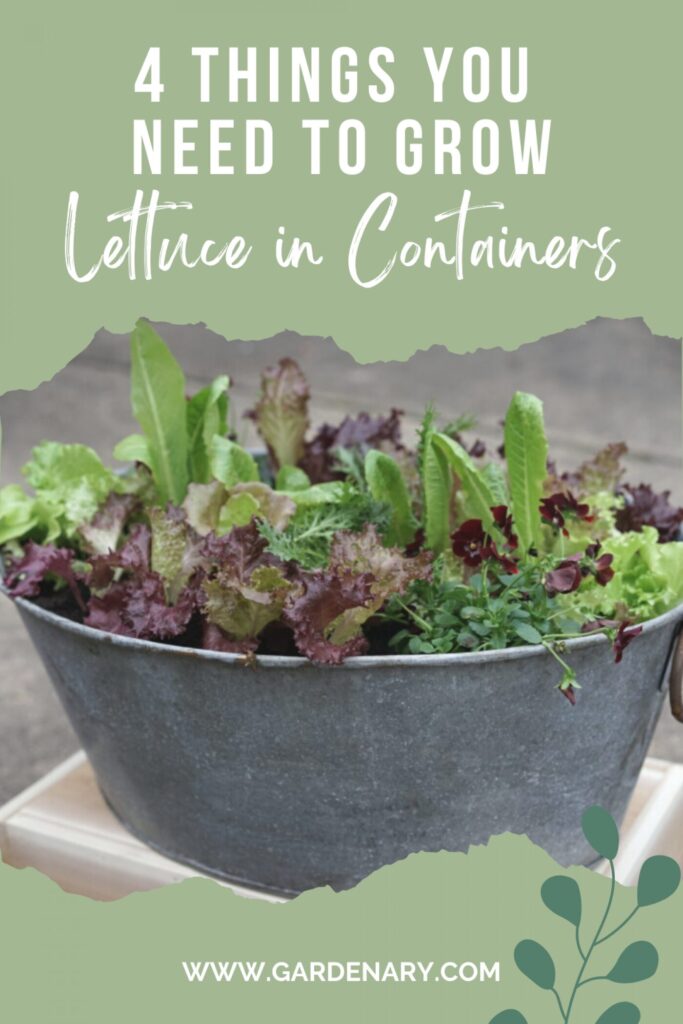
Are you curious about growing lettuce in a pot? Well, you’re not alone! This easy-to-care-for crop is perfect for beginners and experienced gardeners alike. In this article, we’ll show you how to cultivate delicious lettuce in a pot, following some essential tips.
Why Grow Lettuce in Pots?
Growing lettuce in pots has several benefits. For one, it saves time and effort compared to traditional gardening methods. Additionally, you can control the growing conditions and harvest your lettuce at the optimal moment. Plus, lettuces are relatively low-maintenance crops that thrive in a variety of environments.
Choosing Your Lettuce Variety
When selecting a lettuce variety for pot cultivation, consider factors like flavor profile, texture, and growth habits. Some popular varieties include Romaine, Buttercrunch, and Oak Leaf. You can also experiment with different hybrid combinations to create unique flavors.
Romaine lettuce is known for its crisp, slightly bitter taste and crunchy texture, making it perfect for salads, sandwiches, and other dishes where you want a bold flavor. Buttercrunch, on the other hand, has a sweet, tender heart that’s ideal for adding a delicate touch to your meals.
Oak Leaf lettuce offers a mild, slightly sweet flavor and a soft, leafy texture that’s great for salads, wraps, and other light meals.
Sowing Seeds or Planting Pintaines
For optimal results, you can either sow seeds directly into the potting mix or purchase pre-grown pintaines (small plants). Sowing seeds allows for more control over sowing depth and spacing, while pintaines offer a head start. Either way, make sure to plant them at a depth of about 1/4 inch (6 mm) and space them 2-3 inches apart.
Preparing the Potting Mix
To create an ideal growing environment, mix together:
- Potting soil
- Peat moss or coconut coir
- Compost or well-rotted manure
- Perlite or vermiculite for improved drainage
Aim for a 3:1:1 ratio of potting soil to peat moss/compost. Add perlite or vermiculite to prevent waterlogging.
Watering and Fertilization
Water your lettuce plants gently but thoroughly, allowing the top inch (2.5 cm) of soil to dry out between waterings. Avoid overwatering, as this can lead to root rot and poor flavor. You can also use a balanced fertilizer once a month to promote healthy growth.
Lighting and Temperature
Lettuce prefers partial shade, especially in warmer climates. In areas with intense sunlight, consider providing some afternoon shade or using a sheer curtain to filter the light. Aim for daytime temperatures between 60°F (15°C) and 75°F (24°C).
Pruning and Harvesting
To encourage continuous leaf production, harvest your lettuce regularly, cutting off the outer leaves at the base of the plant. For optimal flavor, cut the leaves about 2-3 cm from the crown. You can also trim back the entire plant to 6 inches tall for a fresh new crop.
Tips and Tricks
- Use a drip irrigation system or soaker hose to deliver water directly to the roots.
- Mulch around the base of the plants to retain moisture and suppress weeds.
- Monitor your lettuce for signs of pests, such as aphids, whiteflies, or slugs.
- Consider using row covers to protect your lettuce from extreme weather conditions.
Common Lettuce Pests
- Aphids: These small, soft-bodied insects can spread disease and weaken your lettuce plants. Use neem oil or insecticidal soap to control aphid populations.
- Whiteflies: Whiteflies are tiny, flying insects that feed on the sap of your lettuce plants. Use sticky traps or insecticidal soap to control whitefly populations.
- Slugs and Snails: These slimy pests can chew holes in your lettuce leaves and destroy the plant. Use copper tape, diatomaceous earth, or hand-picking to control slugs and snails.
Common Lettuce Diseases
- Powdery Mildew: This fungal disease causes a white, powdery coating on the leaves of your lettuce plants. Use fungicides or remove infected leaves to prevent the spread of the disease.
- Leaf Spot: This bacterial disease causes small, dark spots on the leaves of your lettuce plants. Use copper-based fungicides or remove infected leaves to prevent the spread of the disease.
- Root Rot: This fungal disease causes the roots of your lettuce plants to rot, leading to yellowing or browning of the leaves. Improve drainage and use fungicides to prevent root rot.
By following these simple steps, you’ll be enjoying fresh, delicious lettuce in no time. Happy growing!
Frequently Asked Questions:
- What type of soil is best for growing lettuce?
- A well-draining potting mix with a pH between 6.0 and 7.0 is ideal.
- How often should I water my lettuce plants?
- Water gently but thoroughly, allowing the top inch (2.5 cm) of soil to dry out between waterings.
- Can I grow lettuce in a cold climate?
- Yes, some lettuce varieties are bred for cooler climates and can tolerate light frosts.
- How do I prevent pests from damaging my lettuce crop?
- Use row covers, neem oil, or insecticidal soap to control pests like aphids, whiteflies, and slugs.
- Can I grow lettuce in a container with poor drainage?
- No, lettuces require well-draining soil to prevent root rot.
By following these tips and guidelines, you’ll be able to successfully grow delicious lettuce in your pots. Whether you’re a beginner or an experienced gardener, growing lettuce in pots is a fun and rewarding experience that can provide you with fresh, flavorful produce all year round.


