
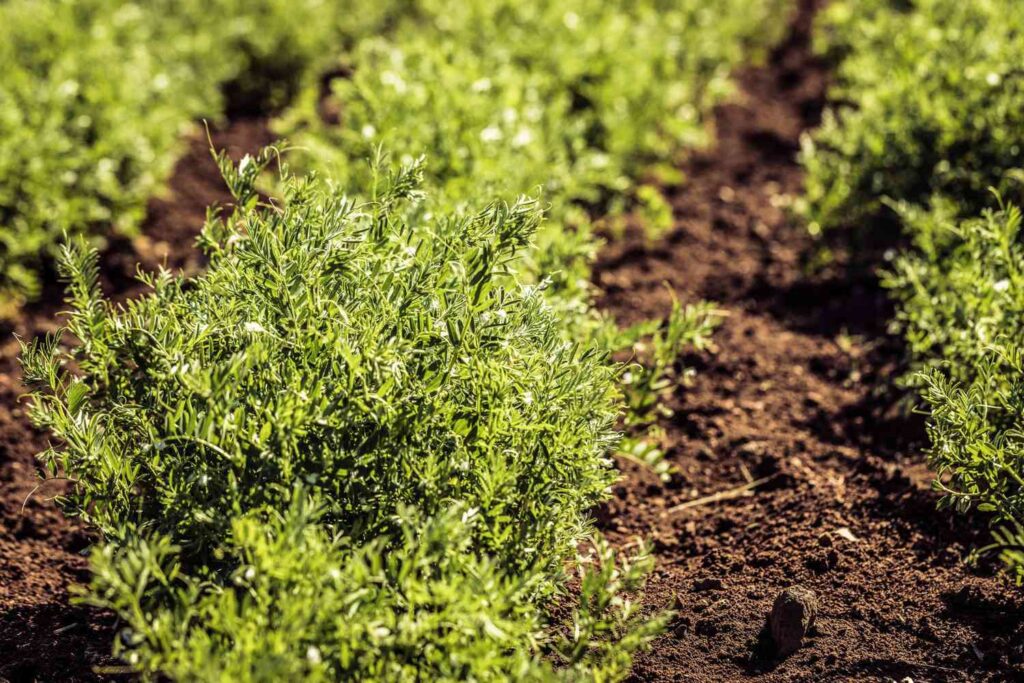
Lentils are one of the oldest legumes in history, with a rich history dating back to 7,000 BC in Asia. These humble legumes have been a staple food in many cultures around the world, and their nutritional benefits make them an excellent addition to a healthy diet.
Lentils are rich in antioxidants and isoflavones, which can help prevent certain diseases such as heart disease, diabetes, and some types of cancer. They are also an excellent source of plant-based protein, making them a fantastic alternative to animal-derived foods. In this article, we will explore the benefits of growing lentils and provide expert tips on how to cultivate these nutrient-rich legumes.
Getting Started with Lentil Cultivation
Growing lentils requires minimal cultural practices and can thrive in poor soil conditions. However, it’s essential to choose a suitable variety of the crop for your specific region and climate. The top four Italian regions for producing lentils are Campania, Abruzzo, Puglia, and Lazio.
Terreno e Concimazione
When it comes to growing lentils, the soil is crucial. They prefer a sandy terrain but can adapt to clay soils as well; however, be mindful of waterlogging issues. It’s essential to ensure good drainage to prevent root rot. To prepare the soil for lentil cultivation, apply compost or manure beforehand, followed by a balanced fertilizer with phosphorus and potassium to enhance crop yield.
Avvicendamento e Consociazione
Lentils often grow in isolation; therefore, it’s best to rotate crops that are not legumes. To make room for other vegetables like fava beans, safflower, or oats, you can plant lentils first. If you have an olive grove, a fruit tree, or a vineyard nearby, consider planting lentils under their shade: the benefits of this practice will be mutually beneficial!
Semina
The optimal time for sowing lentil seeds varies depending on your geographical location and climate:
- Nord: Sow in early spring
- Centro e Meridione: Anticipate the harvest with the onset of autumn
When sowing, leave about 6 cm between each seed and 35 cm between rows. Plant the seeds at a depth of approximately 2 cm to ensure proper germination.
Raccolta
Once the top part of the plant has turned completely dry and brittle, remove it by cutting or pulling out the roots. To avoid losing color or attracting pests like the tomato hornworm, harvest lentils promptly after this stage.
Variety Selection
Choosing the right variety of lentil is crucial for optimal growth and yield. Some popular varieties include:
- Green Lentils: These are the most common type of lentil and have a mild flavor.
- Red Lentils: These have a slightly sweeter taste than green lentils and are often used in soups and stews.
- Yellow Lentils: These have a nutty flavor and are often used in Indian cuisine.
Pest and Disease Management
Lentils are susceptible to various pests and diseases, including:
- Tomato Hornworms: These large horned insects can damage the plant’s leaves and pods.
- Aphids: These small sap-sucking insects can weaken the plant and reduce yields.
- Powdery Mildew: This fungal disease can cause white powdery patches on the leaves.
To manage these pests and diseases, use integrated pest management techniques such as crop rotation, biological control, and cultural practices like pruning and sanitation.
Conclusion
Growing lentils requires minimal effort but yields a bountiful harvest. By following these expert tips and using suitable varieties of the crop, you’ll be on your way to enjoying a delicious and nutritious meal made from these ancient legumes.
Frequently Asked Questions (FAQs)
- What are some common pests that affect lentils?
Common pests affecting lentils include the tomato hornworm, aphids, and wireworms. Regular monitoring of your crop is essential to minimize damage.
- How do I prepare my soil for optimal lentil growth?
Before planting lentils, ensure the soil has a good balance of nutrients by adding compost or manure followed by a balanced fertilizer containing phosphorus and potassium.
- What are some possible diseases that can affect lentil crops?
Lentils are susceptible to diseases such as powdery mildew, rust, and leaf spot. Regular crop rotation and proper soil management can help prevent these issues.
- Are there any potential nutritional benefits associated with eating lentils?
Yes! Lentils are rich in antioxidants, fiber, and plant-based protein, making them an excellent addition to a balanced diet.
- Can I use different types of fertilizers for my lentil crop?
While using organic fertilizers like compost is recommended, you can also employ synthetic fertilizers according to the specific growing requirements of your area and soil type.
- How often should I water my lentils during cultivation?
Watering is crucial but must be done in moderation; aim for about 20-25 cm of annual rainfall or supplement with irrigation according to local weather conditions.
- Are there any benefits associated with planting lentils under fruit trees or vineyards?
Yes, intercropping can help reduce pests and diseases affecting the main crops while also improving soil health through increased biodiversity.
- What is the best way to harvest my lentil crop?
Remove the plant material when it has turned completely dry; this helps prevent color loss and reduces the risk of infestation by pests like the tomato hornworm.
Tips for a Successful Harvest
To ensure a successful harvest, follow these additional tips:
- Monitor the weather: Keep an eye on weather forecasts to plan your harvesting schedule accordingly.
- Harvest at the right time: Harvest lentils when the plant material is dry and brittle to prevent moisture from accumulating and causing spoilage.
- Dry thoroughly: After harvesting, spread the lentil crop out in a dry area to dry completely before storing.
By following these expert tips and using suitable varieties of the crop, you’ll be on your way to enjoying a delicious and nutritious meal made from these ancient legumes. Happy growing!


