
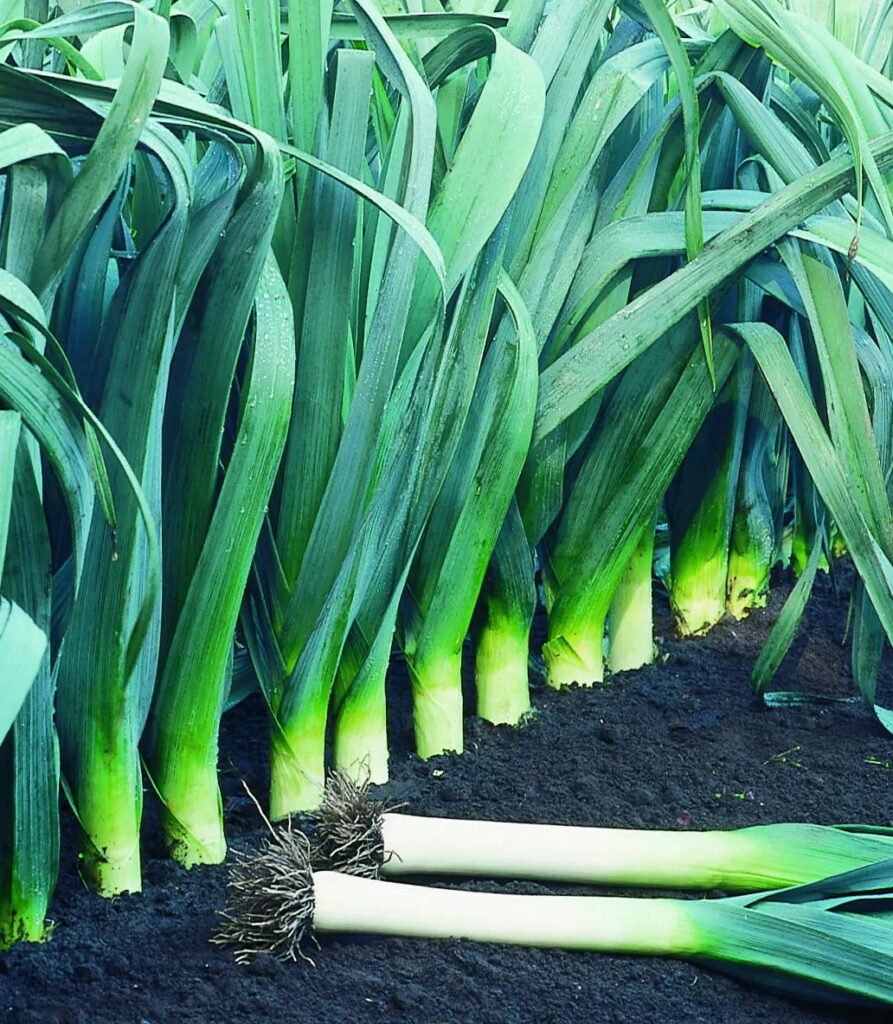
Leeks are a versatile vegetable that can be grown in every season, with summer, winter, and autumn varieties available. Unlike garlic, onions, and shallots, leeks have a delicate, sweet flavor that makes them a popular choice for many gardeners.
In this comprehensive guide, we will cover everything you need to know about growing leeks, from understanding the different types of leek varieties to tips on preparing your soil, planting, watering, and caring for your leeks. We’ll also discuss common pests and diseases that can affect leeks and provide answers to frequently asked questions.
Understanding Leek Varieties
There are three main types of leek varieties:
- Winter Leeks: These are the most popular type of leek and are typically planted in late summer or early fall. They are harvested in late winter or early spring, when the weather is cooler.
- Autumn Leeks: These leeks are planted in late summer or early fall, but can be grown directly in full soil at temperatures below 16°C. This makes them ideal for growing in regions with mild winters.
- Summer Leeks: Summer leeks are planted in spring and mature between May and August. They can also be grown from December to February, transplanted from March to June.
Preparing for Leek Cultivation
Before planting leeks, it’s essential to prepare the soil. This involves adding compost or mature manure (3-4 kg per square meter) to the soil. It is recommended to create raised beds 10-20 cm high to ensure good drainage and aeration.
Leek Planting and Transplantation
To plant leeks:
- Winter Leeks: Sow seeds in April-May, transplant in June-August.
- Autumn Leaks: Plant from February-March, transplant from March-June.
- Summer Leaks: Plant from December-February, transplant from March-June.
Creating a Leek-Friendly Environment
To create an ideal environment for leeks:
- Choose raised beds that previously hosted vegetables like potatoes, tomatoes, bell peppers, cucumbers, or zucchini. This ensures the soil retains fertility.
- Maintain regular manual weeding to prevent weeds from infesting your leeks.
Watering and Care
Regular watering is necessary to keep the soil moist but not waterlogged. Water your leeks deeply but infrequently to encourage deep root growth. Mulch around the plants to retain moisture and suppress weeds.
Leek Pests and Diseases
Watch out for common pests like slugs, aphids, and powdery mildew. To prevent infestation:
- Use copper tape or crushed eggshells as a natural deterrent.
- Apply neem oil or insecticidal soap to control pest populations.
Tips for Growing Leeks in Different Seasons
Grow leeks year-round by adjusting your planting schedule according to the season. For winter crops, plant in late summer or early fall. Summer plants can be grown from spring to fall.
Growing Leeks: A Sustainable and Rewarding Hobby
Leeks are a rewarding crop to grow, providing fresh produce for your family while helping maintain soil fertility and promoting biodiversity.
Frequently Asked Questions (FAQs)
- What is the best way to prepare the soil for leek cultivation?
Interrow compost or mature manure should be added at a depth of 3-4 kg per square meter before planting. - How often do I need to water my leeks?
Water deeply but infrequently to encourage deep root growth. - What are some common pests that affect leeks?
Slugs, aphids, and powdery mildew can be problematic pests. - Can I grow leeks in containers?
Yes, leeks can thrive in containers with adequate drainage. - How long does it take for leeks to mature?
Leeks typically take 60-90 days to mature after planting.
Growing leeks is a rewarding and sustainable activity that promotes soil fertility and biodiversity. By following these guidelines, you’ll be able to enjoy fresh, flavorful leeks all year round.


