
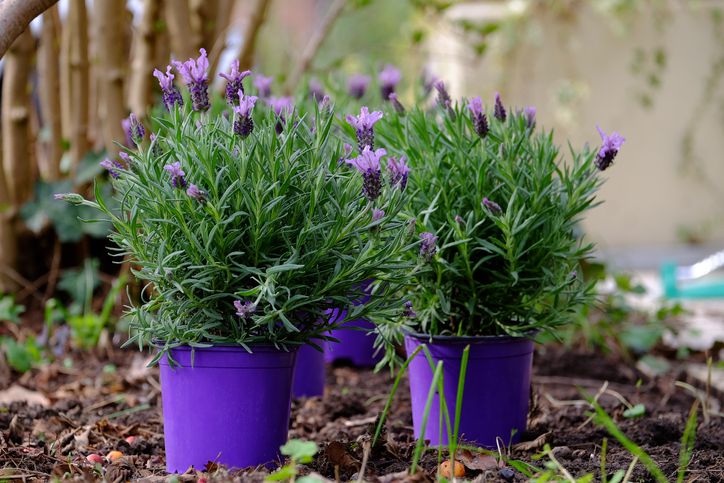
Lavender is a popular herb that not only adds a calming aroma to your home but also provides beautiful flowers for decoration. Growing lavender in pots is a great way to bring this lovely plant into your indoor or outdoor space, and with the right care, it can thrive in a container. In this article, we’ll explore the basics of growing lavender in pots, including how to sow seeds or take cuttings, potting techniques, pruning, fertilization, and more.
Understanding Lavender Plants
Lavender plants are known for their ability to adapt to various environments, making them an ideal choice for container gardening. However, they do require some care to thrive. Here are a few things to keep in mind when growing lavender in pots:
- Lavender is a Mediterranean plant that prefers well-draining soil and full sun.
- It’s essential to choose a pot that is at least 10-12 inches deep to accommodate the plant’s roots.
- Lavender can grow quite tall, so you may need to prune it regularly to maintain a desired shape.
Sowing Seeds or Taking Cuttings
If you’re starting from seed, wait until autumn for the best results. Spring planting in colder climates is also viable. To sow seeds, fill a pot with soft soil and keep the seeds moist for 6-8 hours in an infusion of chamomile at room temperature.
Alternatively, you can take cuttings from your neighbor’s lavender plant to start your own. Simply cut a stem about 10 cm long, remove lower leaves, and plant it in a mixture of peat moss and potting soil. Keep the soil moist until roots develop.
Potting Techniques
When potting lavender, it’s crucial to use a well-draining potting mix. Here are some tips:
- Use a pot that is at least 10-12 inches deep.
- Fill the bottom of the pot with a layer of small rocks or broken ceramic tiles for improved drainage.
- Add a layer of peat moss or coconut coir to retain moisture and nutrients.
Pruning and Fertilization
Pruning lavender is essential to maintain its shape and encourage new growth. Here’s when to prune:
- Prune in autumn, after the plant has finished blooming.
- Cut back stems by about one-third to one-half of their length.
Fertilizing lavender can help promote healthy growth and flowering. Here are some tips:
- Feed your lavender plant with a balanced fertilizer once a month during the growing season (spring-fall).
- Dilute the fertilizer to half the recommended strength to avoid burning the roots.
Tips for Growing Lavender in Pots
Here are some additional tips to keep in mind when growing lavender in pots:
- Place your pot in a sunny location, but not directly in the sun.
- Water your lavender plant sparingly, making sure the soil is dry between waterings.
- Protect your plant from extreme temperatures and pests.
Propagation by Division
Another way to propagate lavender plants is by dividing established plants. Here’s how:
- Dig up the entire pot of lavender.
- Gently separate the roots with a fork or spoon.
- Replant the separated roots in individual pots, making sure they have enough soil to accommodate the roots.
Using Lavender as a Companion Plant
Lavender can be used as a companion plant to improve the health and growth of other plants. Here are some ways to use lavender:
- Add dried lavender flowers to potting mixes for their beneficial properties.
- Plant lavender near herbs like rosemary, thyme, and oregano for a fragrant and pest-free garden.
Common Lavender Pests
While growing lavender in pots can be a rewarding experience, there are some pests that can harm the plant. Here are some common lavender pests:
- Aphids: Small, soft-bodied insects that feed on sap.
- Whiteflies: Tiny, winged insects that feed on sap and transmit diseases.
- Spider mites: Tiny, spider-like insects that feed on sap and cause yellowing leaves.
Common Lavender Diseases
Lavender plants are susceptible to various diseases. Here are some common lavender diseases:
- Powdery mildew: A fungal disease that causes white, powdery growth on leaves.
- Root rot: A fungal disease that causes the roots to rot and die.
- Leaf spot: A fungal disease that causes small, circular lesions on leaves.
Conclusion
Growing lavender in pots can be a rewarding experience, especially when done correctly. By following these guidelines, you’ll be well on your way to enjoying this lovely herb in your home or garden. With proper care, lavender can thrive in containers for years to come.
Frequently Asked Questions (FAQs)
Here are some common questions people ask about growing lavender in pots:
- How often should I water my lavender plant?
- Water sparingly, making sure the soil is dry between waterings.
- Can I grow lavender indoors or outdoors?
- Lavender can thrive both indoors and outdoors in a sunny location.
- How do I prune my lavender plant?
- Prune in autumn, after the plant has finished blooming.
- Can I fertilize my lavender plant regularly?
- Feed your lavender plant with a balanced fertilizer once a month during the growing season (spring-fall).
- Are there any pests that can harm my lavender plant?
- Check for pests like aphids, whiteflies, and spider mites regularly.
Additional Resources
If you have more questions or need further guidance on growing lavender in pots, here are some additional resources to explore:
- Lavender Plant Care: A comprehensive guide to growing and caring for lavender plants.
- How to Grow Lavender in Containers: Tips and tricks for growing lavender in containers.
Conclusion
Growing lavender in pots can be a rewarding experience, especially when done correctly. By following these guidelines, you’ll be well on your way to enjoying this lovely herb in your home or garden. With proper care, lavender can thrive in containers for years to come.
Final Tips
Here are some final tips for growing lavender in pots:
- Use a pot that is at least 10-12 inches deep.
- Fill the bottom of the pot with a layer of small rocks or broken ceramic tiles for improved drainage.
- Add a layer of peat moss or coconut coir to retain moisture and nutrients.
By following these guidelines, you’ll be well on your way to enjoying this lovely herb in your home or garden. With proper care, lavender can thrive in containers for years to come.


