
Introduction to Kalanchoe
Kalanchoe, commonly referred to as “Calanchoe” or “Calancola,” is a succulent plant belonging to the Crassulaceae family. With over 130 species, this versatile plant has gained popularity for its vibrant flowers and attractive foliage.
In this article, we’ll focus on three of the most widely cultivated species: Kalanchoe blossfeldiana, Kalanchoe thyrsiflora, and Kalanchoe daigremontiana. We’ll explore their unique characteristics, growth habits, and care requirements to help you become a successful Kalanchoe enthusiast.
Understanding the Importance of Potting and Soil
When it comes to growing Kalanchoe, potting is crucial. The right container can make all the difference in encouraging blooming. If the pot is too large, the plant may not receive enough light, leading to fewer flowers. When repotting, choose a new container that’s only slightly larger than the previous one.
Using a well-draining succulent potting mix is essential for Kalanchoe’s survival. A good quality potting mix should contain perlite or sand to prevent waterlogging and ensure healthy root growth.
Kalanchoe Blossfeldiana: The Most Popular Species
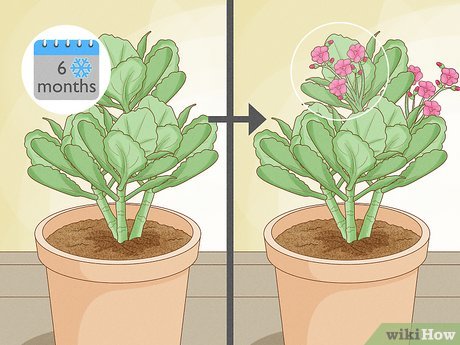
Kalanchoe blossfeldiana, also known as the “Flamingo Flower,” is one of the most widely cultivated species. Its bright red and pink flowers make it a stunning addition to any indoor space. To encourage blooming, provide your Kalanchoe with plenty of light, warm temperatures (above 65°F), and well-draining soil.
Kalanchoe Thyrsiflora: The Flowering Succulent
Kalanchoe thyrsiflora, also known as the “Flowering Succulent,” boasts beautiful foliage with vibrant colors. To maintain its attractive appearance, provide your Kalanchoe with bright, indirect light and moderate temperatures (60-75°F). Water sparingly, allowing the soil to dry slightly between waterings.
Kalanchoe Daigremontiana: A Low-Maintenance Species
Kalanchoe daigremontiana is a low-maintenance species that thrives in partial shade. Its unique, spotted leaves and ability to propagate through leaf cuttings make it an attractive addition to any succulent collection. Water sparingly, allowing the soil to dry between waterings.
The Significance of Kalanchoe
In the language of flowers, Kalanchoe is known as “Pianta del Sorriso” (Plant of Smiles). It’s often given as a gift to celebrate special occasions or to brighten up someone’s day. Its vibrant colors and delicate petals symbolize happiness, optimism, and warmth.
Growing Kalanchoe Indoors
To grow Kalanche indoors, choose a spot with bright, indirect light. Avoid direct sunlight, which can cause burning of the leaves. Keep your Kalanchoe away from drafts and extreme temperatures. Water sparingly, allowing the soil to dry between waterings.
Common Problems: How to Encourage Blooming
If your Kalanche is not blooming, it may be due to inadequate light, poor watering habits, or insufficient fertilization. Adjust your care routine accordingly:
- Increase light exposure or repot in a brighter location
- Adjust watering schedule based on soil moisture and temperature
- Fertilize regularly with a balanced fertilizer (nitrogen-phosphorus-potassium)
Choosing the Right Fertilizer
Kalanchoe requires a balanced fertilizer to promote healthy growth and blooming. Avoid using general-purpose fertilizers, as they may contain excessive nitrogen. Instead, opt for a fertilizer rich in potassium, which encourages root development and promotes flowering.
Some popular fertilizers suitable for Kalanche include:
- Miracle-Gro Shake ‘n Feed All Purpose Plant Food
- Espoma Organic Bloom! Plant Food
- Scotts Osmocote 14-14-14 Professional Plant Food
Kalanchoe Care: Tips and Tricks
To ensure your Kalanchoe thrives, follow these expert tips:
- Water sparingly, allowing the soil to dry slightly between waterings.
- Provide bright, indirect light, avoiding direct sunlight.
- Maintain moderate temperatures (above 65°F) for optimal growth.
- Fertilize regularly with a balanced fertilizer.
Conclusion
Growing Kalanchoe can be a rewarding experience, but it requires attention to detail and proper care. By understanding the unique characteristics of each species and following these expert tips, you’ll be well on your way to becoming a successful Kalanchoe enthusiast.
FAQs
- What is the ideal temperature for growing Kalanchoe?
- Temperatures above 65°F (18°C) promote healthy growth and blooming.
- How often should I water my Kalanchoe?
- Water sparingly, allowing the soil to dry slightly between waterings.
- Can I grow Kalanchoe outdoors?
- Yes, but only in temperate climates with temperatures above 50°F (10°C).
- What is the best fertilizer for Kalanchoe?
- Choose a balanced fertilizer rich in potassium, such as Miracle-Gro Shake ‘n Feed All Purpose Plant Food.
- How do I propagate my Kalanchoe?
- Use leaf cuttings to create new plants, or divide established plants during repotting.
By answering these frequently asked questions, you’ll gain a deeper understanding of Kalanchoe care and become a confident grower.


