
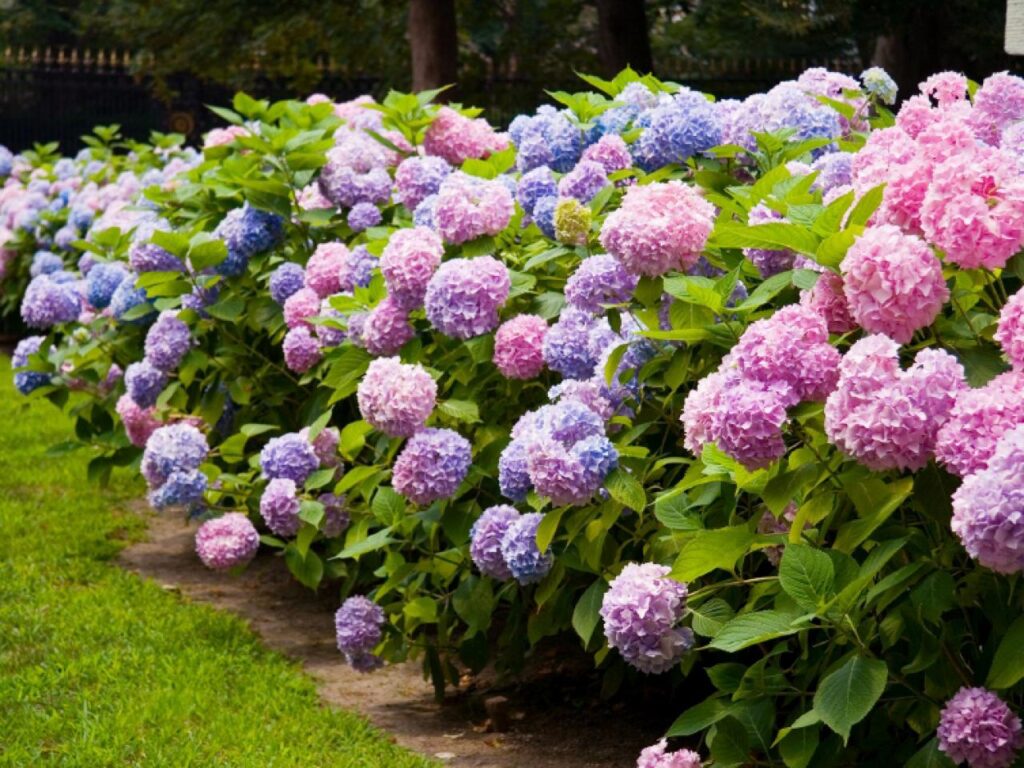
Understanding the Needs of Orchids
Orchids are one of the most popular flowering plants, known for their delicate and vibrant blooms. However, these beautiful flowers require specific care and attention to thrive. In this article, we will explore the best practices for growing orchids, from selecting the right location to caring for them during the summer and winter months.
Choosing the Right Location
Orchids need partial shade or dappled sunlight to grow well. While they can tolerate full sun, direct sunlight can cause the flowers to fade quickly. If your garden doesn’t receive direct sunlight, choose plants that thrive in shaded conditions. Orchids are classified as sciafile plants, which means they prefer partial shade and can withstand cooler temperatures.
In addition to light requirements, orchids also need good air circulation to prevent fungal diseases. Make sure to provide enough space between plants for proper ventilation and avoid overcrowding.
Growing Orchids: Basic Rules
Orchids are relatively easy to care for and can be grown in a variety of containers, including pots and planters. They can also tolerate frost, making them a great choice for gardeners who live in cooler climates. To grow orchids successfully, follow these basic rules:
- Select a container with good drainage
- Use an acidic potting mix
- Water regularly, but avoid overwatering
- Fertilize with a balanced fertilizer
- Prune the plant regularly to promote healthy growth
Choosing the Right Potting Mix
When selecting a potting mix for your orchids, choose one that is specifically designed for acid-loving plants. An acidic potting mix will help to maintain the optimal pH level for your orchids.
The ideal pH range for most orchids is between 5.5 and 6.5, but some species may require a slightly more or less acidic environment. For example, Cattleya orchids prefer a slightly more alkaline environment (pH 7-8), while Phalaenopsis orchids can tolerate a wider range of pH levels.
Planting Orchids
The best time to plant orchids is in the fall or early spring, when the weather is cooler and the risk of frost is lower. Avoid planting during the hottest summer months, as this can cause stress to the plant. When planting, make sure to handle the roots gently and water thoroughly.
Use a well-draining potting mix and a container that allows for good air circulation around the roots. Plant the orchid at the same depth it was growing in its previous pot, and firm the soil gently around the roots.
Irrigation
Orchids require consistent moisture, especially during the flowering period. Water your orchid in the evening or early morning to avoid scorching the leaves with direct sunlight. Avoid using tap water, which may contain high levels of minerals that can damage the plant. Instead, use filtered water or let the water sit for 24 hours before watering.
Use a moisture meter to check the soil moisture levels and adjust your watering schedule accordingly. Most orchids prefer moist but not soggy conditions, so aim for a consistent level of humidity around 40-60%.
Fertilizing
Orchids require a balanced fertilizer to promote healthy growth and flowering. Use a fertilizer specifically formulated for acid-loving plants, and follow the instructions on the label. Fertilize your orchid once a month during the growing season, and reduce frequency during the winter months.
Dilute the fertilizer to half the recommended strength to avoid burning the roots. You can also use liquid fertilizers or granular fertilizers, but make sure to choose a product that is specifically designed for orchids.
Pruning
Pruning is an essential part of caring for your orchids. Remove dead or dying leaves and stems to promote healthy growth and prevent disease. Cut back the flower spike after blooming to encourage the plant to produce new flowers.
Use clean and sharp tools to prune your orchid, and make sure to disinfect them between cuts to prevent the spread of disease. Prune your orchid at the right time, as some species may require pruning during the spring or fall to promote blooming.
Fioritura and Colors
Orchids come in a wide range of colors, including white, pink, yellow, and purple. The color of your orchid’s blooms can be influenced by the pH level of the soil and the presence of certain minerals. For example, acidic soils tend to produce blue-colored flowers, while alkaline soils produce pink or red blooms.
In addition to color, some orchids also have distinctive patterns or markings on their leaves or petals. These patterns can provide clues about the plant’s identity and help you identify specific species.
Reproduction through Division
Orchids can be reproduced through division, which involves separating the plant into smaller sections and potting each section in its own container. This method is most effective during the fall season, when the plant is dormant.
To divide an orchid, gently remove it from its pot and wash away any old potting mix from the roots. Separate the plant into sections, making sure each section has at least one growing point (the base of the flower spike). Pot each section in a new container with well-draining potting mix, and water thoroughly.
Caring for Orchids in Winter
If you live in an area with cold winters, you may need to provide extra care for your orchid to protect it from frost and freezing temperatures. Use a layer of mulch or pacciamatura to insulate the roots and prevent damage from extreme cold.
Move your orchid to a bright, cool location during the winter months, such as an east- or west-facing window. Avoid placing your orchid near drafts or extreme temperature fluctuations, which can cause stress and damage to the plant.
Common Questions
Here are some frequently asked questions about growing orchids:
Q: What is the best time to plant an orchid?
A: The best time to plant an orchid is in the fall or early spring, when the weather is cooler and the risk of frost is lower.
Q: How often should I fertilize my orchid?
A: Fertilize your orchid once a month during the growing season, and reduce frequency during the winter months.
Q: Can I grow orchids in direct sunlight?
A: While some orchids can tolerate full sun, it’s generally best to provide partial shade or dappled sunlight for optimal growth.
Q: How do I prune my orchid?
A: Remove dead or dying leaves and stems to promote healthy growth and prevent disease. Cut back the flower spike after blooming to encourage new flowers.
Q: Can I grow orchids in cold climates?
A: Yes, some orchids can tolerate frost and freezing temperatures. Use extra care during the winter months to protect your plant from extreme cold.
Q: How do I propagate an orchid through division?
A: Separate the plant into smaller sections and pot each section in its own container using a well-draining potting mix.
Q: What is the best way to water my orchid?
A: Water your orchid in the evening or early morning, avoiding scorching the leaves with direct sunlight. Use filtered water or let it sit for 24 hours before watering.
Q: Can I grow orchids indoors?
A: Yes, many types of orchids can thrive indoors, providing they receive sufficient light and humidity.
Conclusion
Growing orchids requires attention to detail and a commitment to proper care. By following the basic rules outlined in this article, you can create an optimal environment for your orchid to thrive. Remember to provide good air circulation, maintain acidic potting mix, and fertilize regularly to promote healthy growth and blooming.
In addition to these general tips, be sure to research specific needs for individual species of orchids, as some may require more or less care than others. With patience and dedication, you can enjoy the beauty and fragrance of your own thriving orchid garden.


