
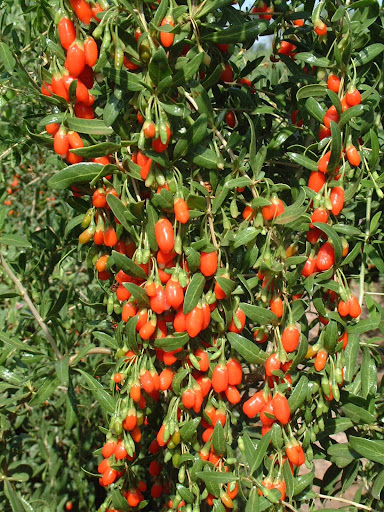
Introduction
Goji berries are a type of fruit that has been gaining popularity in recent years due to their numerous health benefits. Native to Asia, these small, red fruits are rich in antioxidants and have been used for centuries in traditional medicine. In this article, we will explore how to grow goji berries, from selecting the right variety to harvesting your crop.
Characteristics of Goji Berries
Goji berries are a type of fruit that belongs to the Solanaceae family, which includes plants like tomatoes and peppers. The most common species used for cultivation is Lycium barbarum, also known as the Asian goji berry. This plant is native to Asia and has been naturalized in many parts of Europe.
Differences between Lycium barbarum and Lycium chinense
While both species are used for their berries, there are some key differences between them. Lycium barbarum produces fruits with better nutritional properties than Lycium chinense. Studies have shown that the polysaccharides present in the berries of Lycium barbarum have antioxidant and anti-aging effects.
Where to Buy Goji Berry Plants
If you’re interested in growing your own goji berry plants, there are several options available. You can purchase seedlings or seeds from reputable nurseries or online retailers. Some popular online platforms for buying goji berry plants include Amazon and eBay.
How to Grow a Goji Berry Plant
Growing a goji berry plant is relatively easy, but it does require some specific conditions. The ideal climate for growing goji berries is temperate, with temperatures ranging from -15°C to 30°C. In this section, we’ll cover the steps involved in propagating and caring for your goji berry plant.
Propagation Methods
There are two main methods of propagation: vegetative and seed-based. Vegetative propagation involves taking cuttings from a mature plant, while seed-based propagation involves planting seeds directly into the soil.
Cuttings Method
To propagate a goji berry plant using cuttings, follow these steps:
- Select a healthy stem with at least two nodes.
- Cut the stem about 20 cm below the node using a sharp knife or pruning tool.
- Remove any leaves from the lower half of the cutting to prevent water loss.
- Place the cutting into a pot filled with well-draining soil and keep it moist.
Seed-Based Propagation
To propagate a goji berry plant using seeds, follow these steps:
- Obtain high-quality seeds from a reputable supplier.
- Plant the seeds about 10 mm deep in a seed starting mix.
- Keep the soil consistently moist but not waterlogged.
- Transplant the seedlings into larger pots once they have two sets of leaves.
Climate and Soil Requirements
Goji berry plants prefer full sun to partial shade, well-draining soil with a pH range of 5.5-6.5, and moderate watering.
Climate Considerations
When growing goji berries, it’s essential to consider the climate in your area. Goji berry plants thrive in temperate climates with mild winters and cool summers. If you live in an area with extreme temperatures or lack of sunlight, you may need to take additional steps to protect your plant.
Soil Requirements
Goji berry plants prefer well-draining soil that is rich in organic matter. The ideal soil pH for goji berries is between 5.5 and 6.5. You can test the pH of your soil using a soil testing kit or by sending a sample to a laboratory for analysis.
Watering Requirements
Goji berry plants require moderate watering, avoiding overwatering which can lead to root rot. The ideal amount of water for goji berries depends on the climate and soil type. As a general rule, aim to provide about 1-2 inches of water per week, either through rainfall or irrigation.
Fertilization Requirements
Goji berry plants require fertilization to promote healthy growth and fruit production. Use a balanced fertilizer that is high in phosphorus (P) to encourage root development and fruiting. You can also use compost tea or fish emulsion as a natural alternative.
Pruning Requirements
Pruning goji berry plants regularly helps maintain their shape, promotes healthy growth, and increases fruit production. Prune your plant in the early spring or late fall, removing any dead or damaged branches. Use clean pruning tools to avoid spreading diseases.
Pest and Disease Management
Goji berry plants are generally pest- and disease-free, but may require occasional pruning to promote healthy growth. Keep an eye out for signs of pests like aphids, whiteflies, and spider mites, and treat promptly if necessary. Regularly inspect your plant for signs of diseases like powdery mildew, leaf spot, and root rot.
Harvesting Your Goji Berries
Goji berries are ready to harvest in late summer or early fall, around 8 months after planting. To ensure optimal flavor and nutritional content, pick the berries when they are bright red and have a slightly soft texture.
Tips for Harvesting
- Gently twist the berry from the stem, taking care not to damage the plant.
- Handle the berries carefully to avoid bruising or crushing.
- Store your harvested goji berries in an airtight container in the refrigerator to keep them fresh for several weeks.
Conclusion
Growing goji berry plants can be a rewarding experience, but it does require some knowledge and effort. By following these guidelines and providing your plant with the right conditions, you can enjoy a bountiful harvest of delicious and nutritious berries.
Frequently Asked Questions (FAQs)
-
What is the best climate for growing goji berry plants?
Goji berry plants prefer temperate climates with temperatures ranging from -15°C to 30°C.
2. How often should I water my goji berry plant?Goji berry plants require moderate watering, avoiding overwatering which can lead to root rot.
3. Can I grow goji berry plants indoors?Yes, goji berry plants can be grown indoors in pots, but they require full sun to partial shade and well-draining soil.
4. How long does it take for a goji berry plant to mature?Goji berry plants typically take 8-10 months to produce fruit after planting.
5. Are goji berry plants invasive?No, goji berry plants are not considered invasive and can be grown in containers or in the ground without causing harm to surrounding vegetation.
6. Can I eat raw goji berries?While it is technically possible to eat raw goji berries, they are best consumed when dried or cooked, as they can be quite tart.
7. Are there any pests or diseases that affect goji berry plants?Goji berry plants are generally pest- and disease-free, but may require occasional pruning to promote healthy growth.
8. Can I grow multiple types of goji berry plants together?Yes, you can grow multiple types of goji berry plants together, as they have similar growing requirements and are not known to be invasive.
Additional Tips for Growing Goji Berries
- Use a trellis or stake: To provide support for your plant’s vigorous growth and encourage better fruiting.
- Mulch around the base: To retain moisture, suppress weeds, and regulate soil temperature.
- Provide humidity: To promote healthy growth and fruit set by maintaining a humid environment around the plants.
Conclusion
Growing goji berries is a rewarding experience that requires some knowledge and effort. By following these guidelines and providing your plant with the right conditions, you can enjoy a bountiful harvest of delicious and nutritious berries.


