
Introduction
Garlic is a popular ingredient used in many cuisines around the world. It’s not only delicious, but it also has numerous health benefits and can be grown at home with minimal effort. In this article, we’ll explore the different ways to grow garlic, including autumn, winter, and spring seasons.
Choosing the Right Variety
There are several types of garlic available, each with its unique characteristics. The most common varieties include white garlic, red garlic, and pink garlic. White garlic is the most widely cultivated and has a milder flavor. Red garlic has a sweeter taste and is often used in Asian cuisine. Pink garlic has a sweet and nutty flavor, making it ideal for cooking.
Preparing the Soil
Before planting garlic, it’s essential to prepare the soil. Garlic prefers well-draining, fertile soil with a pH between 6.0 and 7.0. If your soil is heavy clay or sandy, mix in some organic matter like compost or manure to improve its structure. In areas with poor soil fertility, apply a balanced fertilizer (10-10-10 NPK) according to the manufacturer’s instructions.
Planting Garlic
Garlic can be planted in the autumn, winter, or spring, depending on your location and climate. Here are some general guidelines:
- Autumn planting: Plant garlic cloves in late summer or early fall, about 4-6 weeks before the first frost.
- Winter planting: Plant garlic cloves in late winter to early spring, when the soil is still cold.
- Spring planting: Plant garlic cloves as soon as the soil can be worked in the spring.
Planting Techniques
To plant garlic effectively, follow these steps:
- Choose a location with full sun and well-draining soil.
- Prepare the soil by loosening it to a depth of about 12 inches.
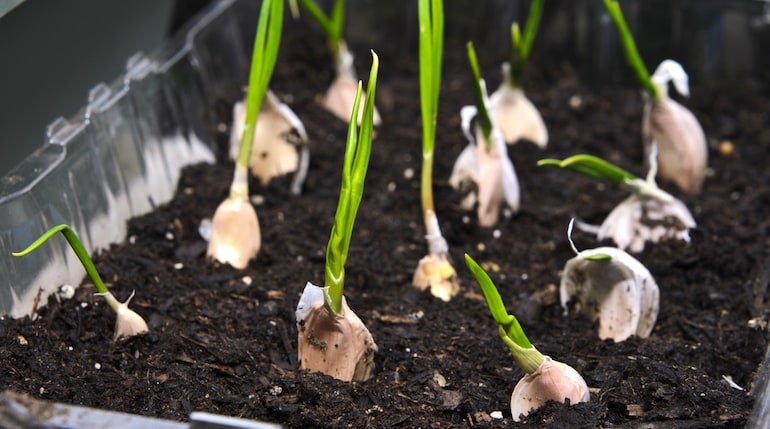
- Plant garlic cloves 4-6 inches apart, depending on the variety.
- Cover the cloves with about 2-3 inches of soil.
- Water the soil gently but thoroughly.
Caring for Garlic
Garlic requires minimal care once it’s planted. Here are some tips to keep in mind:
- Watering: Garlic needs consistent moisture, especially during the first few weeks after planting. Reduce watering as the plants mature.
- Fertilization: Feed garlic with a balanced fertilizer (10-10-10 NPK) once a month.
- Pest control: Keep an eye out for pests like aphids, whiteflies, and spider mites. Use organic pest control methods whenever possible.
Using Garlic as a Natural Remedy
Garlic has been used for centuries as a natural remedy for various ailments. Here are some of its most notable health benefits:
- Antibacterial properties: Garlic contains compounds that have antibacterial properties, making it effective against infections.
- Antiviral properties: Garlic also has antiviral properties, which can help fight off colds and flu.
- Anti-inflammatory properties: Garlic’s anti-inflammatory properties make it an excellent remedy for arthritis and other inflammatory conditions.
Harvesting Garlic
Garlic is ready to harvest when the tops of the plants start to yellow and fall over. Here are some tips for harvesting garlic:
- Timing: Harvest garlic in late summer or early fall, when the bulbs are fully formed.
- Careful extraction: Use a sharp knife or tool to carefully extract the garlic from the soil.
- Drying: Dry the garlic bulbs in a warm, dry place to prevent rot.
Common Questions
Here are some frequently asked questions about growing garlic:
- How often should I water my garlic plants?
- Garlic needs consistent moisture, especially during the first few weeks after planting. Reduce watering as the plants mature.
- Can I grow garlic in containers?
- Yes, garlic can be grown in containers. Choose a container that’s at least 6-8 inches deep and has good drainage holes.
- How long does it take for garlic to mature?
- Garlic takes about 90-120 days to mature after planting.
Tips for Growing Garlic in Different Regions
- In cooler climates: Plant garlic cloves in late winter or early spring, when the soil is still cold. This will give the plants a head start on the growing season.
- In warmer climates: Plant garlic cloves in late summer or early fall, about 4-6 weeks before the first frost. This will allow the plants to mature before the heat of summer sets in.
- In regions with poor soil fertility: Apply a balanced fertilizer (10-10-10 NPK) according to the manufacturer’s instructions. You can also mix in some organic matter like compost or manure to improve the soil’s structure.
Pest and Disease Management
Garlic is susceptible to various pests and diseases, including:
- Aphids: Use neem oil or insecticidal soap to control aphid infestations.
- Whiteflies: Use yellow sticky traps or neem oil to control whitefly populations.
- Spider mites: Use neem oil or insecticidal soap to control spider mite infestations.
Soil pH and Garlic Growth
The ideal soil pH for garlic is between 6.0 and 7.0. If your soil pH is too low, it can affect the plant’s ability to absorb nutrients. To adjust your soil pH, you can add lime or sulfur according to the manufacturer’s instructions.
Garlic and Companion Planting
Garlic pairs well with many other plants, including:
- Onions: Plant onions alongside garlic for added flavor and pest control.
- Carrots: Plant carrots alongside garlic for improved growth and yield.
- Tomatoes: Plant tomatoes alongside garlic for added nutrition and flavor.
Conclusion
Growing garlic is a rewarding experience that requires minimal effort. By following these guidelines and tips, you’ll be able to grow delicious and healthy garlic in your own garden. Whether you’re growing garlic in containers or in the ground, remember to provide it with consistent moisture, fertilizer, and pest control methods. With proper care, garlic can thrive and provide you with a bounty of flavorful bulbs for years to come.


